A 10x10 is the most common footprint exhibitors buy in Birmingham, AL, and it is the one where small planning mistakes show up fastest, because there is no extra square footage to absorb them.
Roughly 100 square feet of inline space gives you one strong message, one or two staff, and a tight product or demo zone. The discipline is deciding what to leave out, not what to add.
Most Birmingham 10x10s land in hotel ballrooms and convention breakouts rather than the main exhibit hall, so the rules that matter are the in-house service order, the drape height, and the carpet deadline.
The Sheraton Birmingham and The Westin Birmingham, both connected to the BJCC campus, run dozens of these smaller association and corporate shows a year where a clean 10x10 reads better than a crowded one.
Lead capture is the whole point at this size. The booth exists to start conversations and route badges, and the structure should make that easier instead of competing with it.
Because the footprint is small, a 10x10 is also the format most likely to ship on a single pallet and reuse across a Birmingham program, which keeps freight and labor predictable from one show to the next.
Key priorities for 10x10 Trade Show Booths
- Treat the 10x10 as one message and one demo, not a miniature island.
- Confirm drape height, carpet, and in-house power before the graphics go to print.
- Plan for one or two staff and a clear lead-capture path at the aisle.
- Design for single-pallet freight so the booth reuses across Birmingham dates.
- Name who handles setup and teardown so a small footprint stays a fast one.
Why 10x10 is the Birmingham default
Across the Greater Birmingham market, the 10x10 inline is the booth most first-time and mid-size exhibitors actually buy. It fits the budgets, the staffing, and the ballroom-scale shows that make up a large share of the local calendar.
The BJCC district hosts a wide mix of programs, from large citywides down to single-day association meetings, and a lot of that volume lives in connected hotel space rather than the main halls. The 10x10 is built for exactly those rooms.
At this size the constraint is real estate, not money. You have about 100 square feet, so the plan has to choose a single job for the booth and protect it.
What fits in 100 square feet
A workable Birmingham 10x10 usually carries a tension-fabric or SEG backwall, a counter that doubles as storage, one product or demo position, and a banner stand or two to anchor the corners.
Lighting matters more than people expect at this scale. A few clamp or arm lights lift a fabric graphic out of the flat ballroom wash and make the booth read from down the aisle.
Everything else is subtraction. Extra furniture, oversized hanging elements, and a second message all cost you the floor you need for an actual conversation.
Rooms these booths live in
The Harbert Center downtown offers five private event spaces sized for ten to four hundred guests, which is the kind of room where a tidy 10x10 and a registration table do most of the work.
The Hilton Birmingham Downtown at UAB sits next to the medical district and runs the medical-society and recruiting events where compact, professional inline booths are the norm.
The Sheraton Birmingham lists twenty event rooms and a largest-space capacity near 13,000, with direct connection to the BJCC, so a 10x10 there can be part of a much larger floor or a quiet breakout depending on the show.
Power, drape, and the order form
On the BJCC campus, Edlen is the exclusive utility contractor for electrical and plumbing, and requirements are meant to be submitted in advance. A 10x10 with a monitor or a demo still needs a power order, and that order has a deadline.
Hotel ballroom shows run on the in-house event order instead. Drape height, table sizing, carpet, and electrical all come off that document, and the cutoff dates are usually earlier than people assume.
The boring version of this works best: read the order form, match the booth to its line items, order what the venue sells directly, and schedule the rest around the posted windows.
Freight and reuse for small footprints
A 10x10 is the format most likely to ship on one pallet or in a pair of roto-molded cases, which keeps drayage and inbound freight simple at any Birmingham venue.
For programs that repeat across the year, the same backwall hardware and counter travel show to show with swapped graphics. That turns a one-off purchase into a reusable Birmingham kit.
Birmingham's position at the intersection of I-20/59, I-65, and I-459 means a 10x10 can drive in from a regional warehouse without the cost or risk of cross-country air freight.
Staffing a 10x10 on the floor
One or two people is the right count. More than that and the booth feels blocked from the aisle, which quietly suppresses the very conversations the booth is there to start.
The layout should give staff a clear place to stand and a clear place to put a badge scan or a sign-up. If a visitor cannot tell where to step in, the footprint is working against you.
Because the team is small, a single on-site lead can own setup, the show hours, and teardown without a large crew call, which keeps labor cost in line with the booth size.
Cost drivers at this size
The big variables are whether the booth is bought or rented, the graphics substrate and print scope, the in-house power and any AV, and how many shows the kit needs to survive.
A purchased 10x10 fabric system makes sense for an exhibitor with three or more Birmingham-area dates a year. A rental makes sense for a single show or a one-time launch.
Lead time still applies even at this scale. Print and hardware run smoothest with a few weeks of runway, and rush production is possible but narrows substrate and color choices.
Common 10x10 mistakes we fix
The most frequent issue is too much copy on the backwall. At ten feet wide, a headline and a single supporting line out-pull a paragraph every time.
The second is forgetting the order-form deadline and paying floor rates for power or carpet that should have been booked weeks earlier.
The third is treating a 10x10 like a shrunken island, packing in furniture and props until there is no room left for a person to actually work the aisle.
Why a Birmingham shop helps
Trade Show Services of Birmingham keeps design, build, and install on one local team, which matters most when a graphic panel needs a same-day reprint or a hardware pack goes missing the morning of move-in.
Local also means the same kit that ships to a downtown ballroom can be staged, refreshed, and re-crated between shows without crossing the country in between.
For a footprint this small, that closeness is the difference between a calm install and a scramble, and it is the main reason exhibitors keep the work in town.
What buyers ask about 10x10 Trade Show Booths
How big is a 10x10 booth?
A 10x10 is a ten-foot by ten-foot inline space, roughly 100 square feet. In Birmingham it is the standard single-booth footprint for hotel ballroom shows and convention breakouts.
What fits in a 10x10 at a Birmingham show?
Comfortably: a fabric or SEG backwall, a counter with storage, one demo or product position, and a banner stand or two. The goal is one clear message and room for a conversation, not a crowded floor.
Do I need to order power for a 10x10?
If you have a monitor, lighting, or a demo, yes. On the BJCC campus power runs through Edlen with an advance deadline, and hotel ballroom shows order electrical on the in-house event form.
Should I rent or buy a 10x10 in Birmingham?
Buy if you have three or more Birmingham-area dates a year and want a reusable kit. Rent for a single show or a one-time launch. We scope both against the actual calendar.
How many people should staff a 10x10?
One or two. More than that blocks the aisle and suppresses the conversations the booth is meant to start, so the layout is designed around a clear entry and a single lead-capture point.
Can a 10x10 travel to other shows on our calendar?
Yes. A 10x10 usually ships on a single pallet or in cases, so the same hardware reuses show to show with swapped graphics. Birmingham's interstate access makes regional drive freight practical.
How much lead time does a 10x10 need?
A few weeks is comfortable for print and hardware. Rush builds inside that window are possible but narrow substrate and color options and can raise cost.
Follow-up notes for 10x10 Trade Show Booths
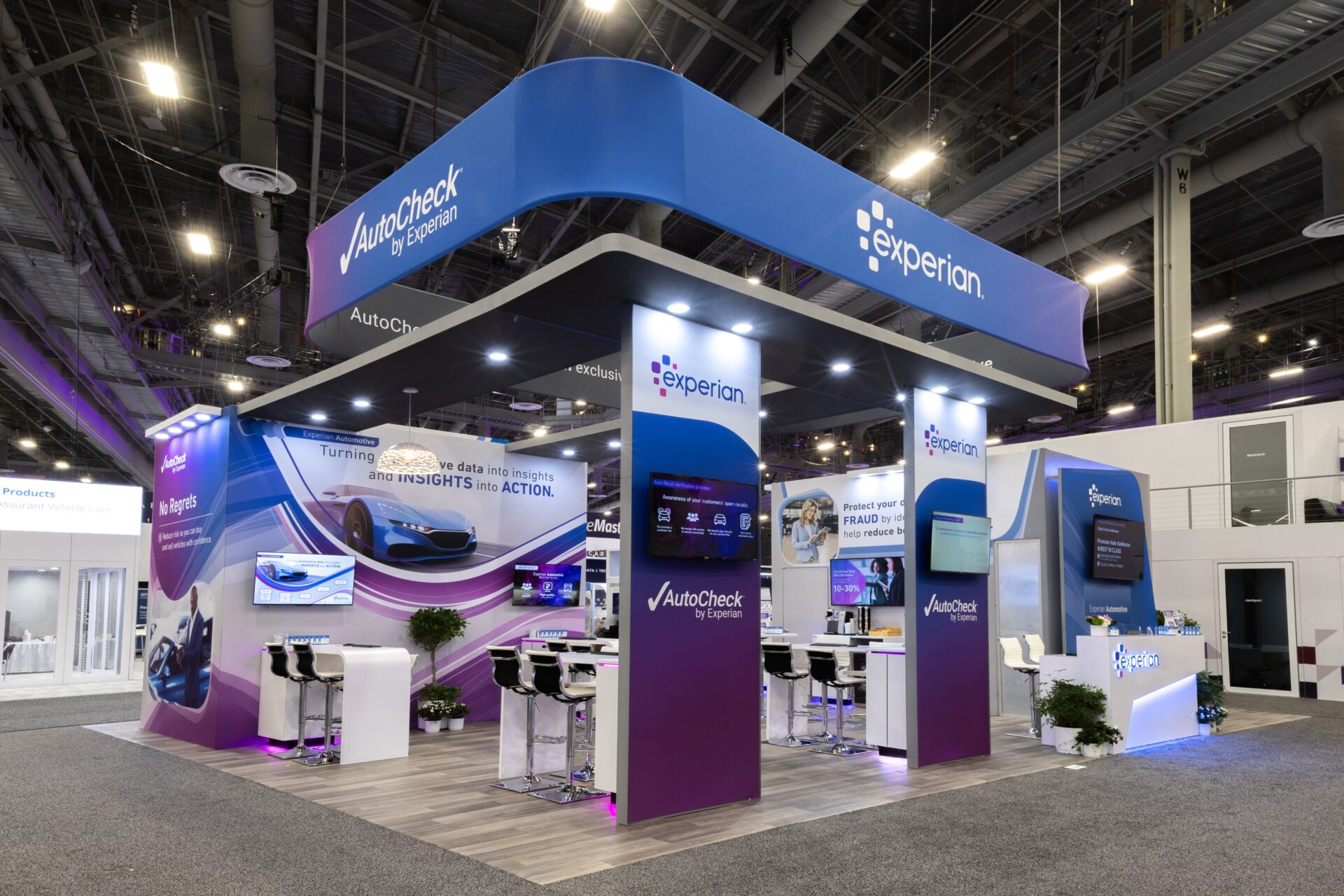
Automotive Trade Show Services
Automotive Trade Show Services support shaped around Birmingham buyer demand, compliance needs, and event execution.
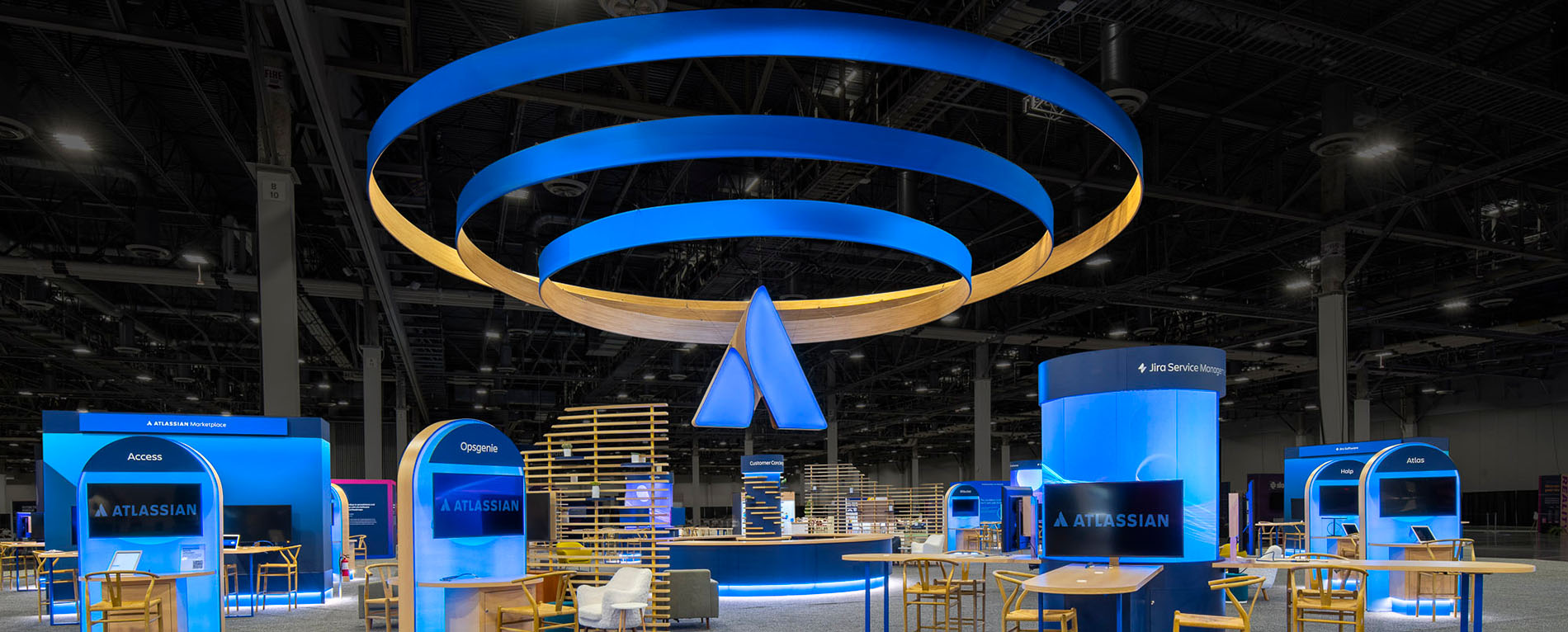
Experiential Marketing Buildouts
Experiential Marketing Buildouts for Birmingham teams coordinating venue access, logistics, AV, and live show control.
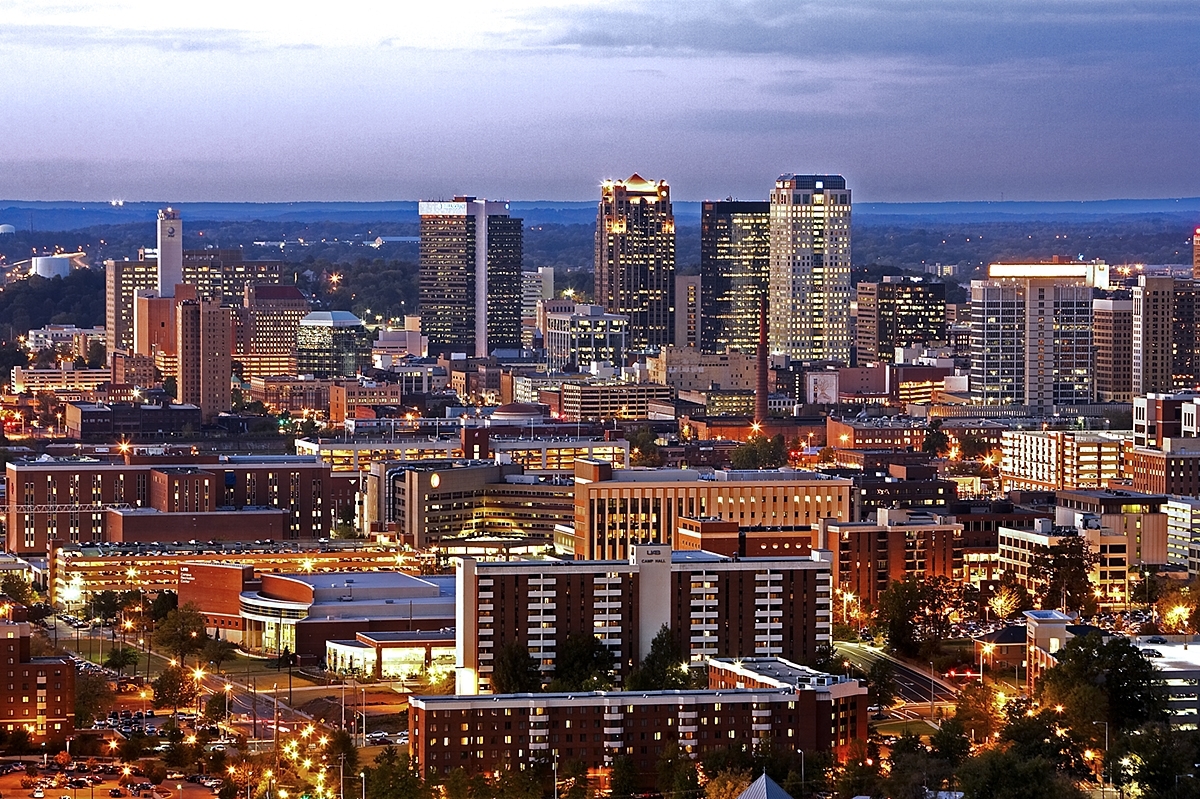
Birmingham, Alabama
Birmingham, Alabama in the Birmingham reach map with venue, movement, hotel, and metro context.