Do you work at Grand Bohemian Mountain Brook, Autograph Collection?
Yes. Nine event rooms at the property. Projects at that building are planned against its specific floor rules.
Industry Focus
Industries work in Birmingham is strongest when the venue, the schedule, and the live objective are defined together before fabrication, freight, labor, and field supervision start moving on separate clocks.
Buyer verticals
Compare the options by room behavior, build complexity, labor demand, timing pressure, and the kind of support the live event will require.
Industries
Supports medical audiences with clean graphics, demo reliability, privacy-aware conversations, and schedules built around clinical decision makers.
Explore
Industries
Protects demos with power, networking, screen visibility, device security, reset steps, and staff handoffs under heavy traffic.
Explore
Industries
Plans durable displays around product samples, equipment weight, freight timing, safety notes, and practical buyer conversations.
Explore
Industries
Coordinates sampling flow, storage, sanitation needs, refrigeration questions, menu signage, and crowd movement around tasting moments.
Explore
Industries
Builds polished product displays around lighting, mirrors, sampling counters, influencer moments, and quick restocking during traffic spikes.
Explore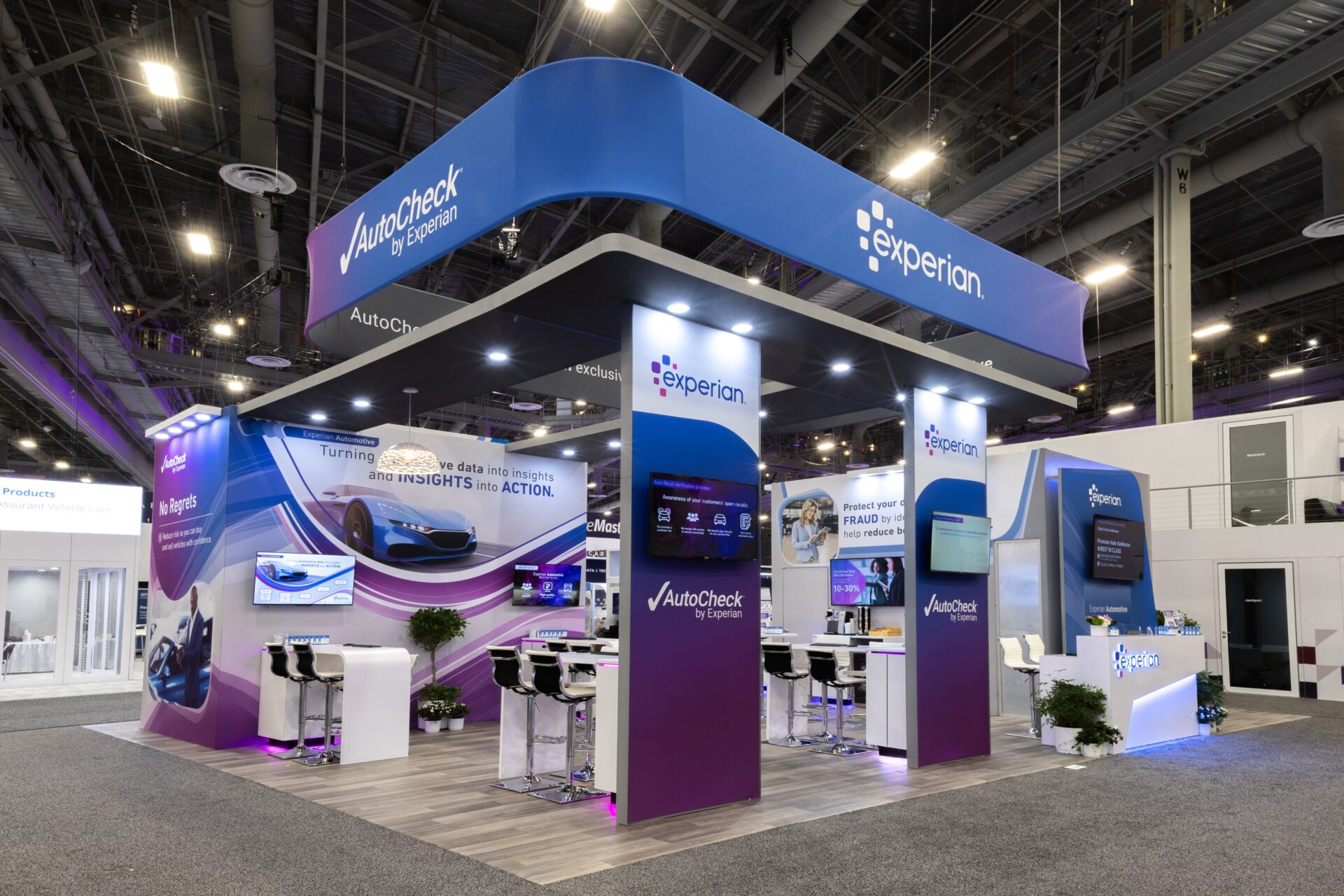
Industries
Accounts for vehicle placement, floor protection, power, lighting, detailing space, and sightlines that make the product easy to inspect.
Explore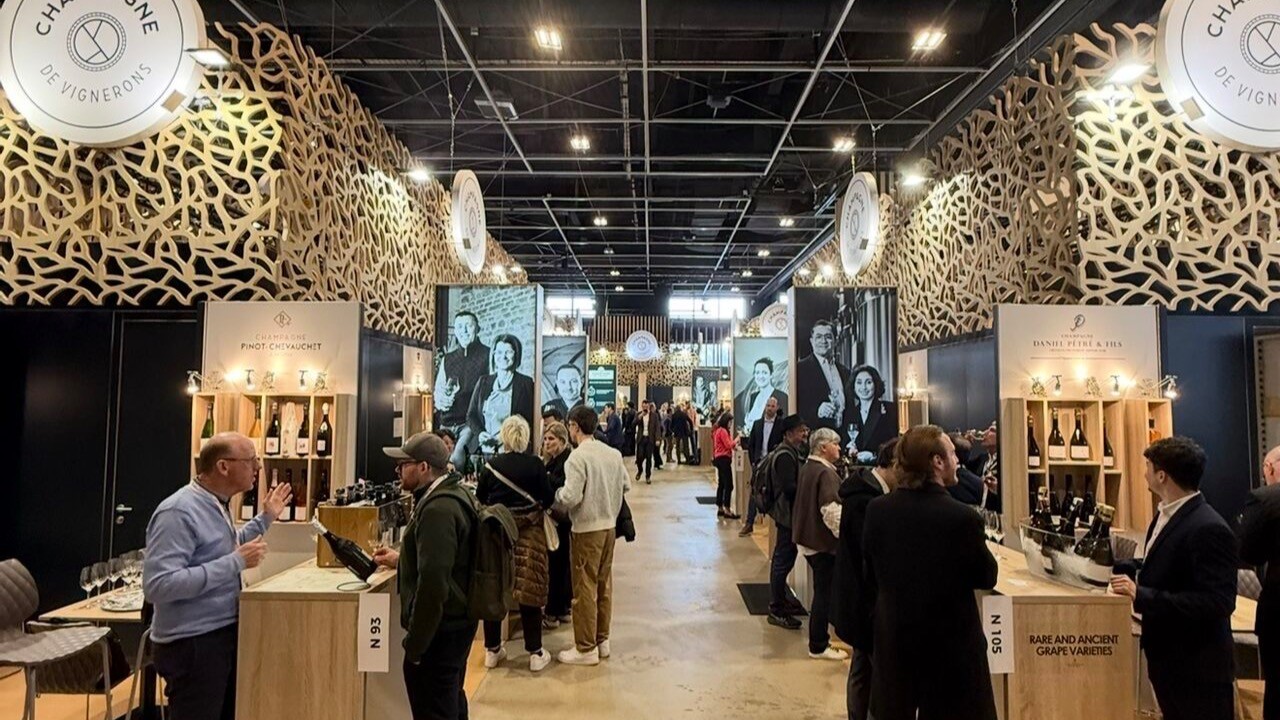
Industries
Connects product merchandising, demo flow, checkout or lead capture, influencer content, and compact storage for fast-moving displays.
Explore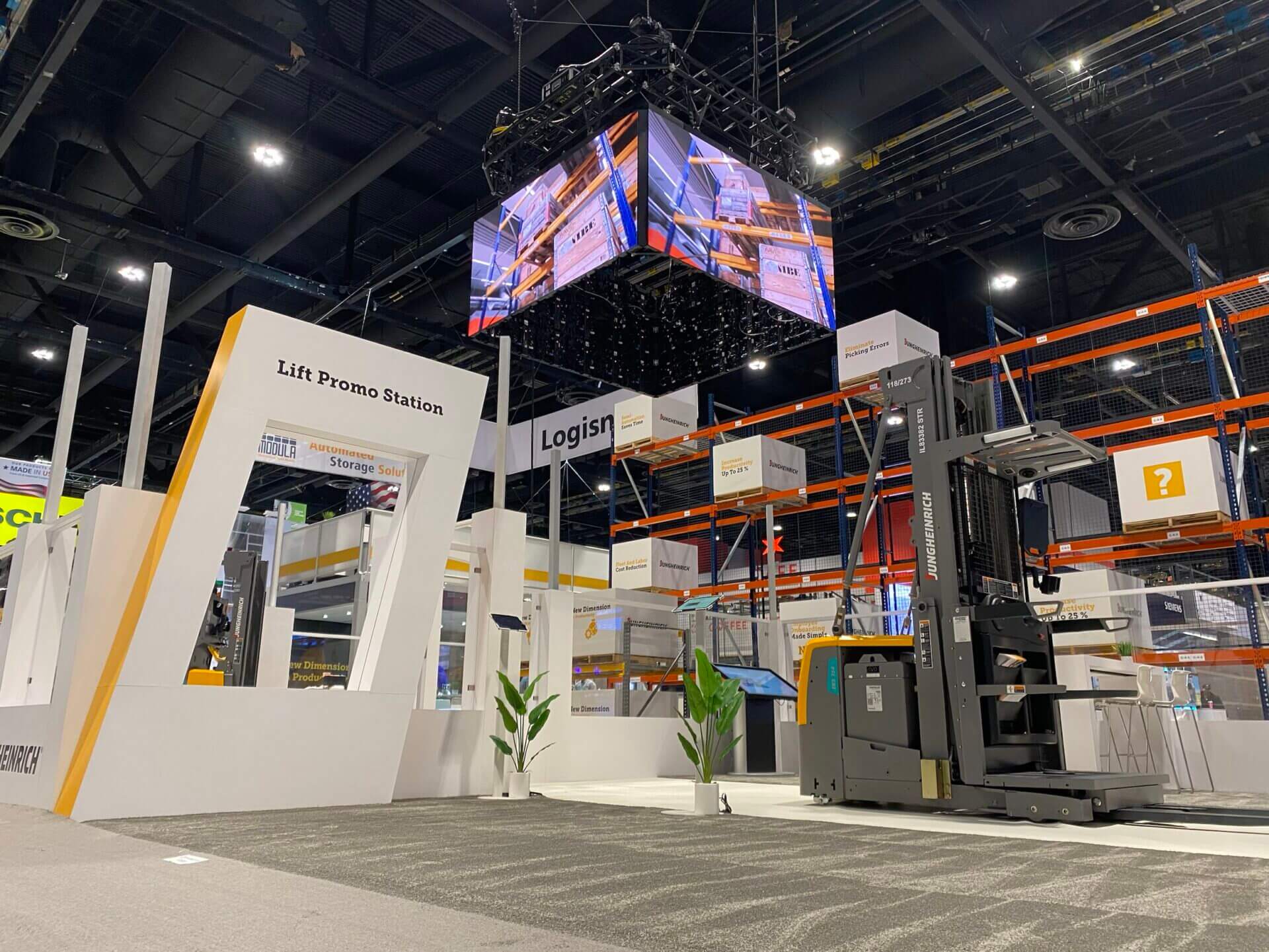
Industries
Supports rugged exhibit needs with freight planning, safety messaging, heavy samples, utility coordination, and clear technical graphics.
Explore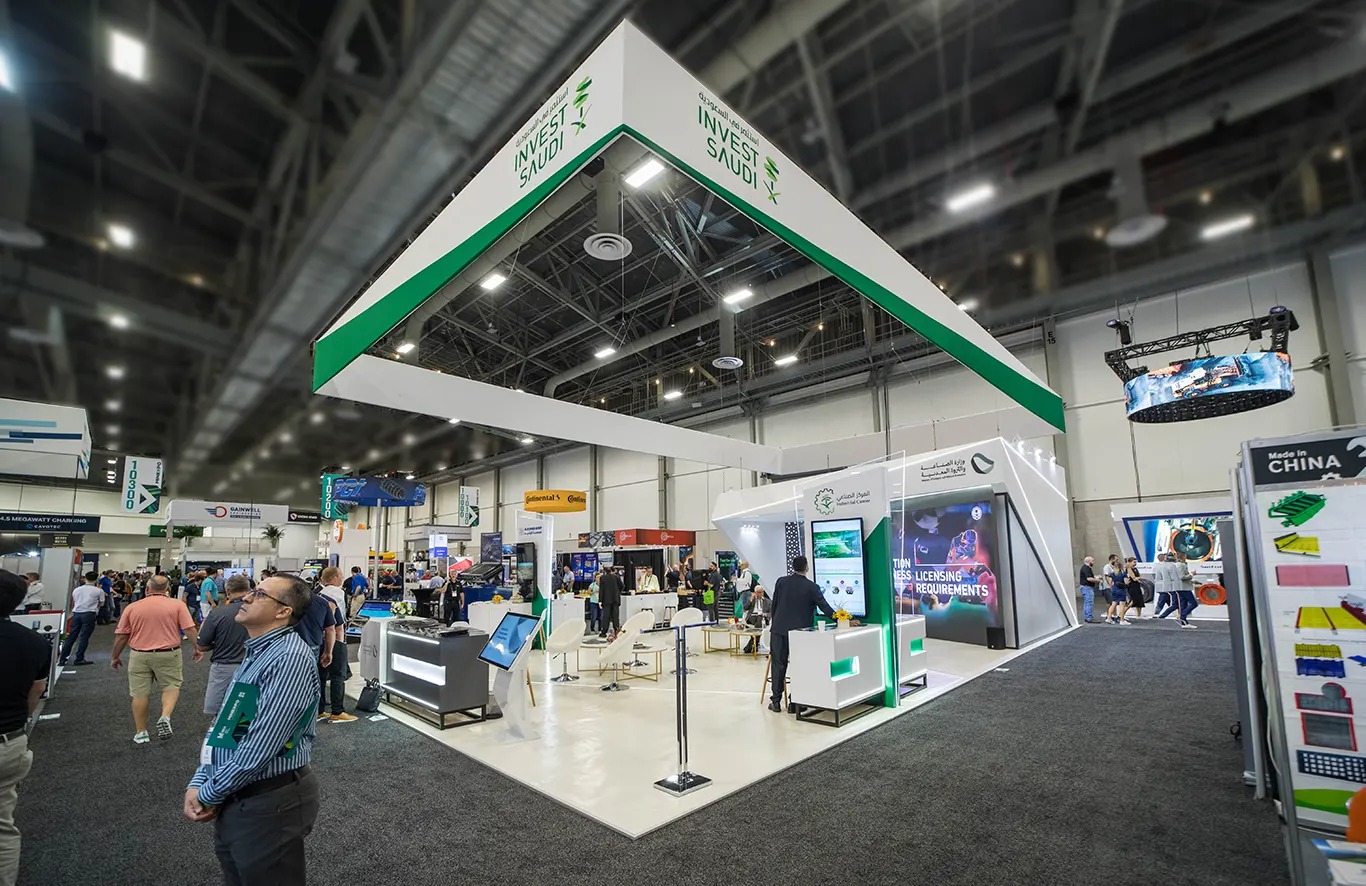
Industries
Plans secure, professional environments around controlled conversations, technical models, meeting rooms, and high-confidence presentation standards.
Explore
Industries
Keeps device demonstrations stable with power, cleaning steps, regulatory-sensitive messaging, trained staff paths, and backup equipment.
ExploreIndustries planning starts with the event conditions, not with a broad label. The venue, the date, the booth behavior, and the support requirements all need to be visible early if the project is going to move cleanly.
That matters in Birmingham, AL because convention halls, hotel properties, stadium spaces, civic venues, and regional event sites do not create the same labor path, freight timing, or day-of pressure.
A strong industry decision should answer practical questions first: how the room behaves, what has to be approved, where graphics and AV become critical, and what kind of field leadership the event will need.
The best event plans also look past opening day. Storage, reuse, closeout, and the next date on the calendar all influence the choice today, especially for repeat programs that need to travel between room types.
The most reliable decisions in this area are tied to venue approvals, freight discipline, labor planning, installation and dismantle, graphics production, AV coordination, staffing, and stakeholder alignment.
Used well, a sharper industry decision reduces rework, clarifies ownership, and gives the client a more defensible path from kickoff through strike.
Birmingham is a working trade show market. Its anchor venues host hundreds of events a year, and the rhythm of load-in, show hours, and strike is well-established across the local vendor base.
Exhibitors pulling back on budget in Birmingham still have to show up in the same booth neighborhoods as their competitors. Scope gets tighter; standards don't. The booths that land well are the ones built on a specific plan, not a generic template.
BJCC's March 19, 2025 release says the campus generated $349.8 million in economic impact in 2024, hosted 466 events, and welcomed more than 1.4 million attendees — a useful reference point when sizing a project.
Birmingham-Shuttlesworth International Airport is about five miles from downtown and offers 21 nonstop destinations.
Birmingham events cluster around a small number of venues, and each one has a different personality on the floor.
The right building depends on the show: a consumer expo wants open aisles and broad traffic flow; a corporate conference wants controlled breakout space; a brand activation wants a venue that can carry scenic and production without fighting the architecture.
The Harbert Center. It offers five private event spaces for gatherings ranging from 10 to 400 guests.
Renaissance Birmingham Ross Bridge Golf Resort & Spa is one of the anchors. 18 event rooms at the resort.
Grand Bohemian Mountain Brook, Autograph Collection: the largest event room listed is the Exterior Courtyard with capacity for 412.
Birmingham floor operations follow the venue's own manual. Dock timing, utility orders, rigging, and crew calls all come out of that document.
On most Birmingham shows, the labor plan takes one call with the venue's exhibitor services desk, one review of the current manual, and one email to the general contractor. Skipping any of those three is usually where problems start.
BJCC arena / concert hall / theatre environments — the lessee, working in coordination and direction of the BJCC, must use labor provided by IATSE Local 78 for show-related rigging and production needs.
Practical planning rules for Industries in Birmingham: on the BJCC campus, venue-approved partners and current event instructions shape staffing, utility, AV, and production workflows. Trade-show teams should confirm labor and service expectations with the venue and organizer before booking move-in, rigging, utility, and show-site support.
Planner questions
Yes. Nine event rooms at the property. Projects at that building are planned against its specific floor rules.
It runs venue by venue. At Birmingham-Jefferson Convention Complex, outside AV can be used only with prior approval and approved installation plans. Other Birmingham venues have their own published rules, and the plan matches the specific building.
Custom builds run best with 16 to 20 weeks of lead time. Rentals take 8 to 12 weeks. Work inside 4 weeks is possible but raises costs and narrows the options.
The show, the venue, the booth number, the dates, and a target budget range. From those, an initial scope and a realistic cost come back within a few days.
One named show-site lead runs the install, the show hours, and the strike. That person carries the floor plan and the punch list from crates to doors and reports up once a day.
Yes — builds are designed for modular reuse unless single-use scenic is specifically required. Same structure, swappable graphics, standard crates. Birmingham programs that roll to another city on the same calendar get handled end to end.
The on-site lead handles it. Minor repairs happen in place; anything larger gets sourced from the local shop or rerouted through the venue's service desk.
Need a specific guide?
Start with the venue, the date, and the support mix so the next conversation can move directly into the event conditions that matter most.