The first question for Birmingham-Jefferson Convention Complex is whether the room, the schedule, and the support mix can actually work together without forcing the crew to improvise on the floor.
A strong plan for the complex should therefore cover scheduling discipline, venue approvals, installation and dismantle, graphics production, power and AV planning, storage, reuse, and show-site supervision with enough specificity that the field team knows how the room is supposed to behave before move-in begins.
One useful benchmark is how the complex handles access, timing, and the support spaces that sit behind the visible room.
What matters first in Birmingham-Jefferson Convention Complex
- Plan installation and dismantle as part of the event strategy, not as an afterthought.
- Protect graphics, AV, power, and material handling on the same schedule that the build uses.
- Make the decision path obvious before the room opens.
Verified venue facts for Birmingham-Jefferson Convention Complex
- The BJCC is Alabama's foremost convention, meeting, and event space according to the Greater Birmingham CVB.
- Current official materials describe more than 420,000 square feet of flexible meeting space, 88 breakouts, and 18 venues in one walkable district.
- BJCC's March 19, 2025 economic-impact release says the campus hosted 466 events and drew more than 1.4 million attendees in 2024.
The Birmingham-Jefferson Convention Complex footprint
Current official materials describe more than 420,000 square feet of flexible meeting space, 88 breakouts, and 18 venues in one walkable district.
BJCC's March 19, 2025 economic-impact release says the campus hosted 466 events and drew more than 1.4 million attendees in 2024.
Located at Downtown / Uptown.
Projects at the complex start with its published floor plan, dock schedule, and service-order deadlines. Everything downstream — build, freight, install, labor — is planned against those real inputs.
What drives the Birmingham calendar
Scope gets tighter; standards don't.
The Greater Birmingham CVB describes the BJCC district as a walkable convention campus with over 420,000 square feet of flexible meeting space, 88 breakouts, 18 venues, and on-campus hotel inventory — a useful reference point when sizing a project.
How Birmingham floor operations work
Labor in Birmingham runs venue-by-venue, not citywide.
The complex: Edlen is the exclusive contractor for utility services including electrical and plumbing, and it instructs organizers to submit requirements in advance.
Practical planning rules for the complex in Birmingham: Trade-show teams should confirm labor and service expectations with the venue and organizer before booking move-in, rigging, utility, and show-site support.
Line items on a typical project
Projects at the complex typically include design work, fabrication or rental sourcing, graphics production, show-service paperwork, freight, install, show-hours coverage, and strike.
The handoffs on a project at the complex matter almost as much as the line items. Design has to hand a build-ready drawing to fabrication. Every handoff is a place quality can drop.
Those run alongside the engagement rather than inside it.
How a project runs
Once scope is clear, the venue work begins.
One named show-site lead runs the install.
That document drives the next booking.
What it costs and how fast it moves
Cost scales with how it is built, how big it is, what the venue charges for its own services, what the graphics look like, how far the crates travel, and how many days the team stays on-site.
Rental programs run on 8 to 12.
Outcomes we optimize for
Trade show ROI is measured at the lead and pipeline level.
The post-show debrief is where the numbers get connected back to the physical booth. Which demo station drew traffic, which meeting area closed more conversations, which graphic zone attracted dwell time — that feedback shapes the next build rather than getting lost.
How we're built to run your project
Local fabrication means real-time problem-solving. A graphic that needs to be reprinted at 6 a.m.
Clients who run repeat programs across multiple dates end up paying less per event when the same team handles everything. Less re-briefing, less re-training, less re-checking — the operational overhead drops year over year.
Questions about Birmingham-Jefferson Convention Complex
How does labor work in Birmingham?
It runs venue by venue.
How much lead time is ideal?
Custom builds run best with 16 to 20 weeks of lead time. Rentals take 8 to 12 weeks.
What information kicks off a project?
The show, the venue, the booth number, the dates, and a target budget range. From those, an initial scope and a realistic cost come back within a few days.
Who runs the booth on-site?
One named show-site lead runs the install, the show hours, and the strike. That person carries the floor plan and the punch list from crates to doors and reports up once a day.
Can the booth travel to the next city on our calendar?
Same structure, swappable graphics, standard crates.
What happens if something breaks during show hours?
The on-site lead handles it.
Birmingham-Jefferson Convention Complex follow-up notes
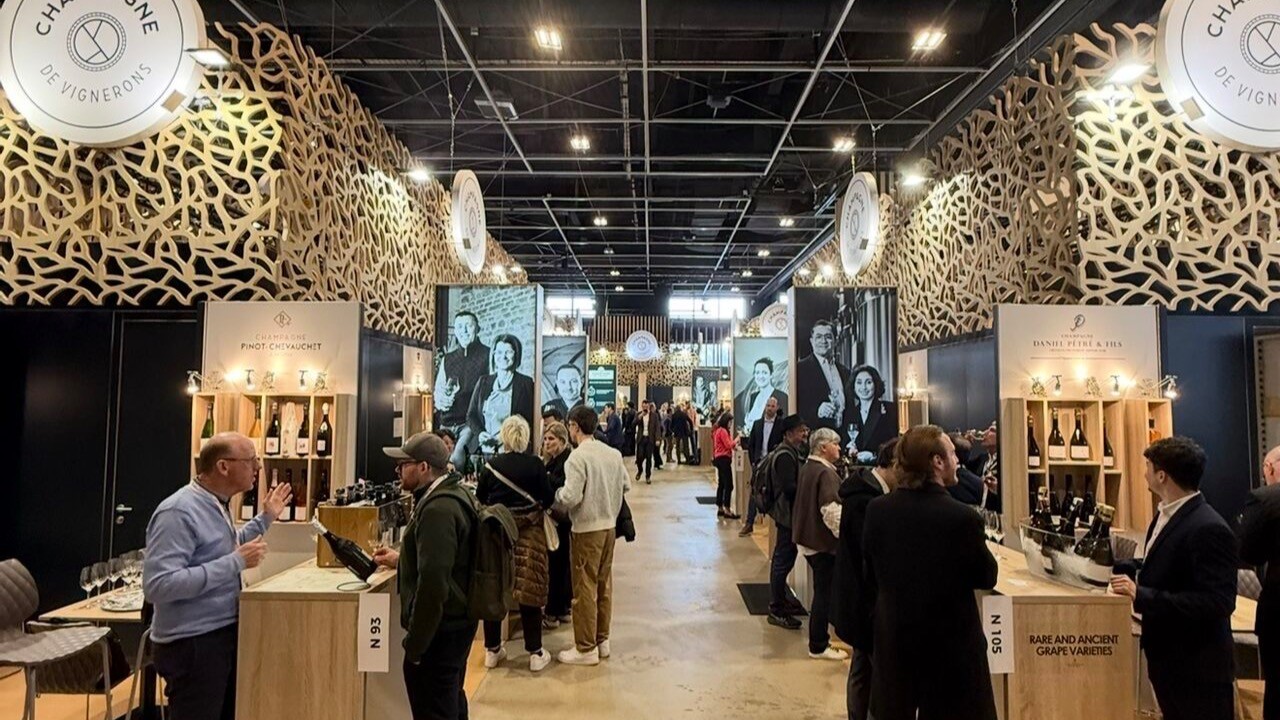
Retail And Ecommerce Event Services
Retail And Ecommerce Event Services support shaped around Birmingham buyer demand, compliance needs, and event execution.
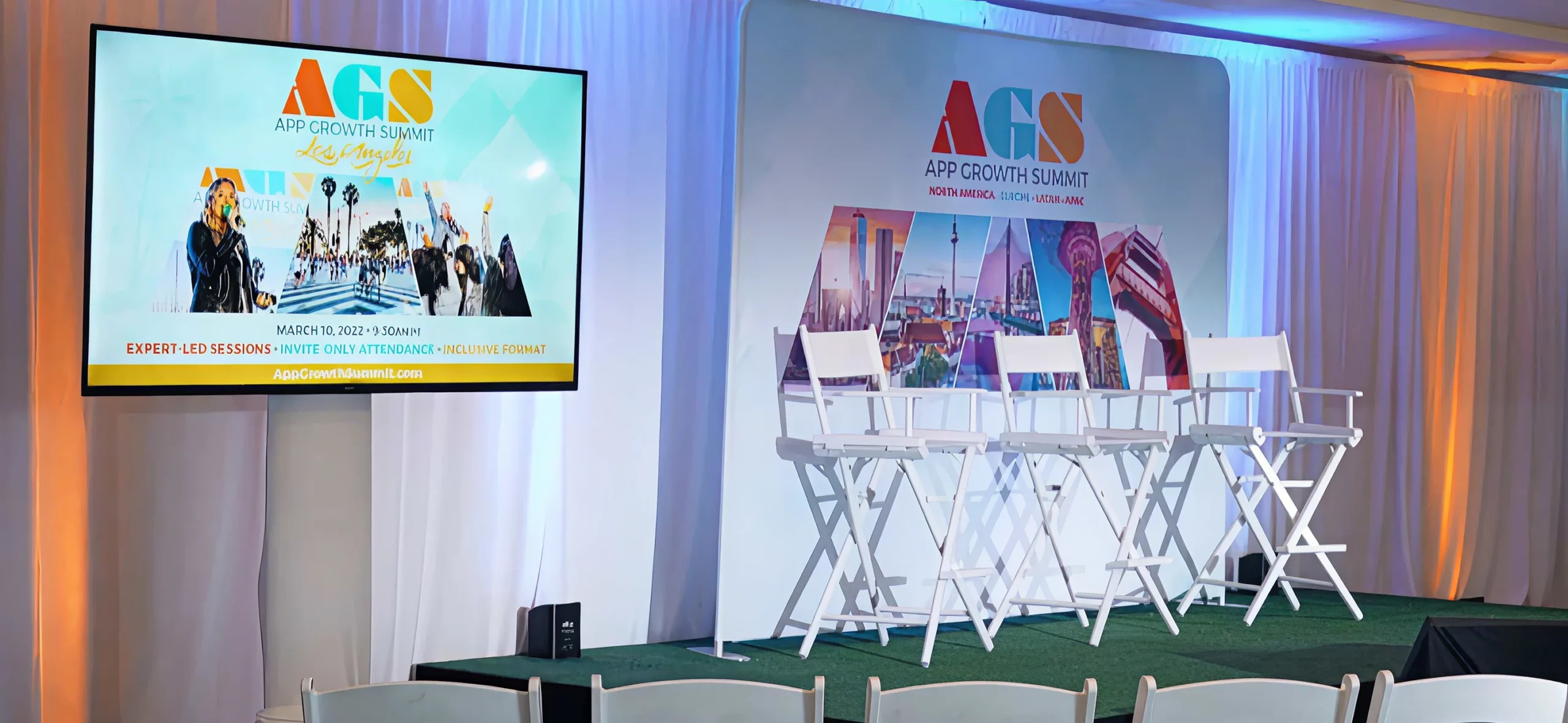
Meeting Room Branding
Meeting Room Branding for Birmingham teams coordinating venue access, logistics, AV, and live show control.
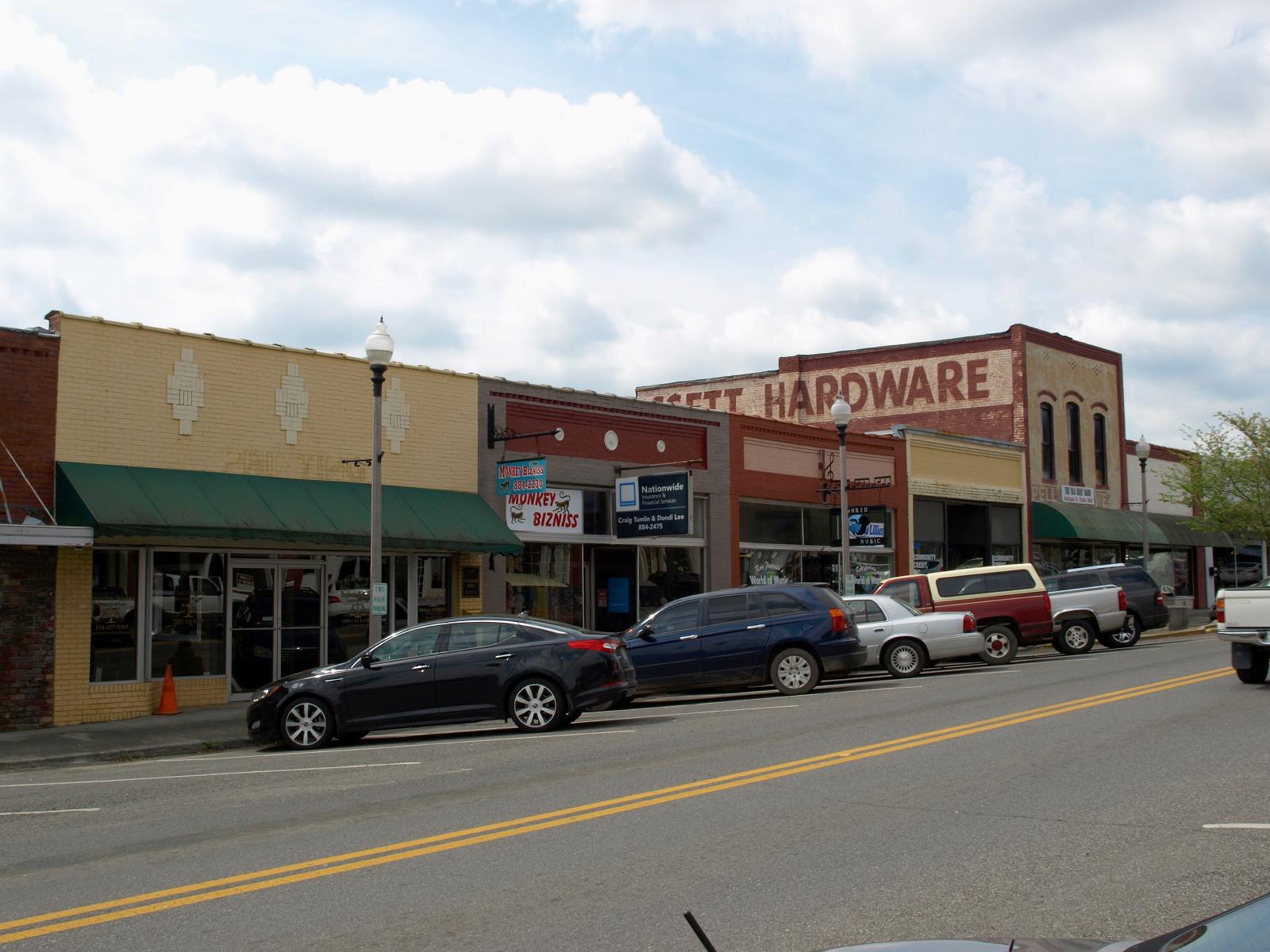
Pell City, Alabama
Pell City, Alabama in the Birmingham reach map with venue, movement, hotel, and metro context.