Do you work at the Westin Birmingham?
Yes. 31 event rooms at the Westin Birmingham. Projects at that building are planned against its specific floor rules.
Reach Markets
Locations work in Birmingham is strongest when the venue, the schedule, and the live objective are defined together before fabrication, freight, labor, and field supervision start moving on separate clocks.
Birmingham metro reach
Compare the options by room behavior, build complexity, labor demand, timing pressure, and the kind of support the live event will require.
Locations
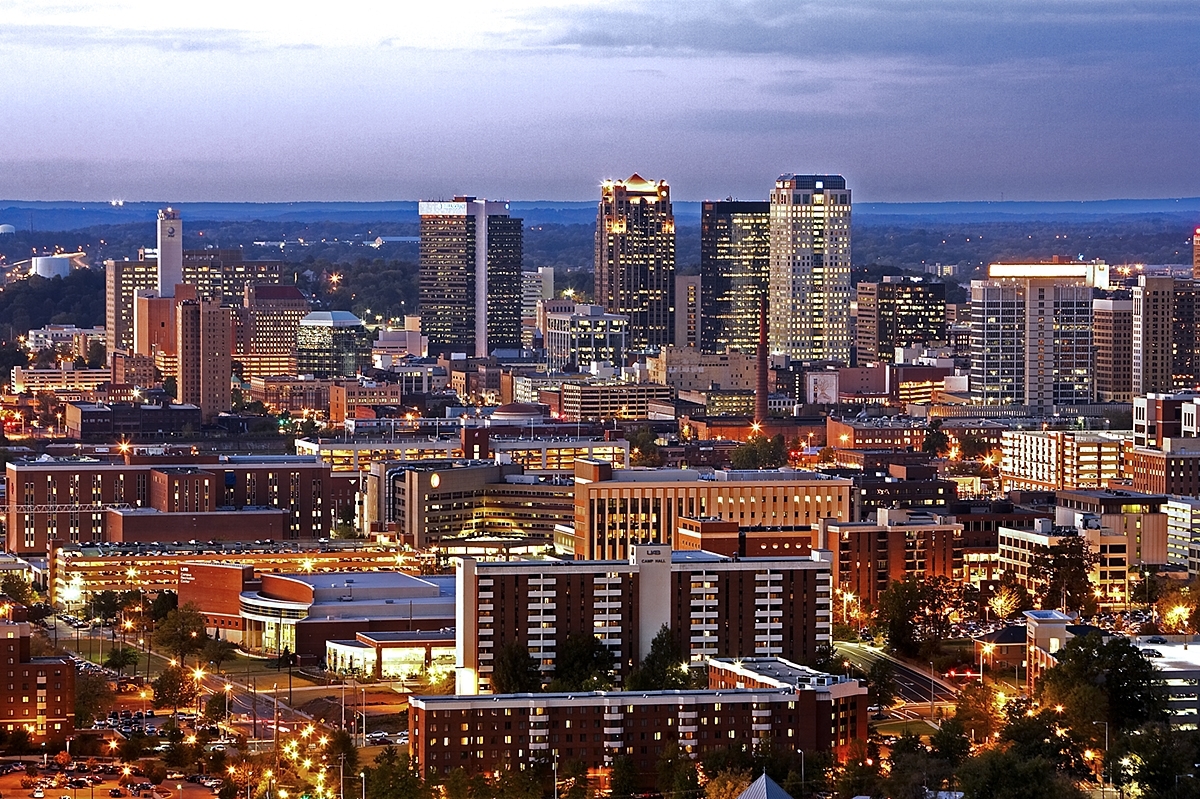
Anchors downtown convention, hotel, civic, and BJCC work where freight timing and room rules can change block by block.
Explore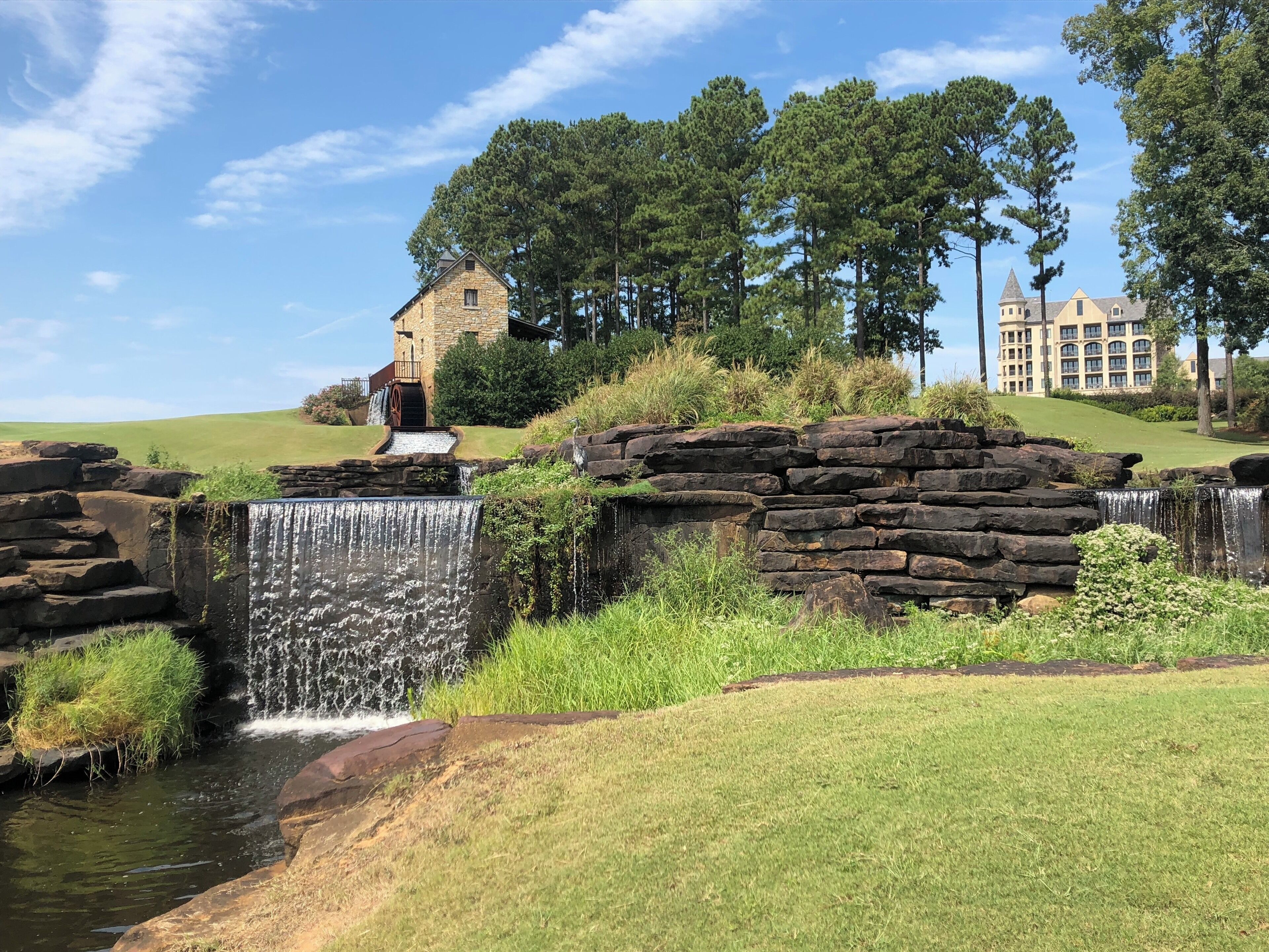
Locations
Fits suburban event programs that need Hoover Met access, resort meeting space, easier parking, and a less compressed arrival pattern.
Explore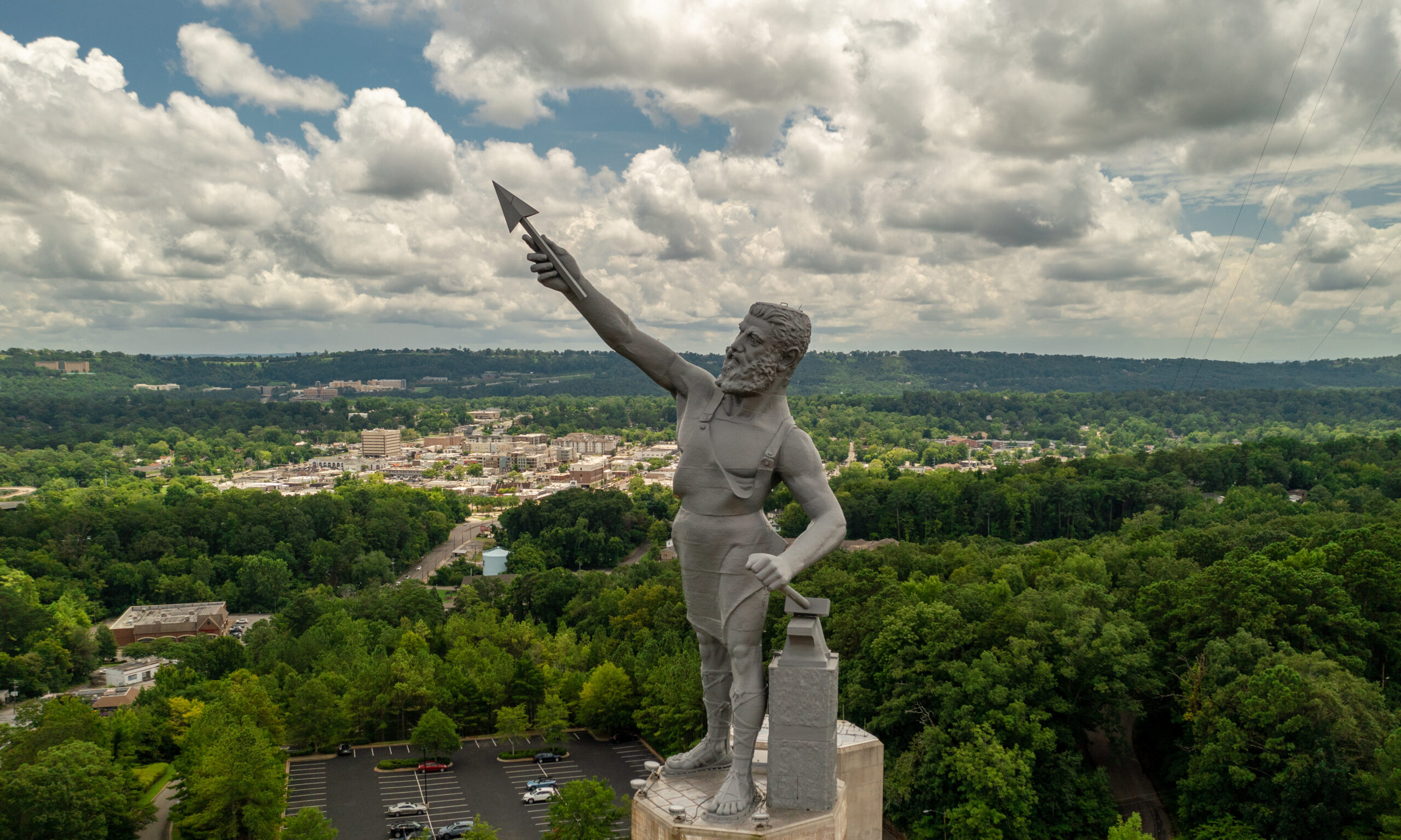
Locations
Works for compact meetings and exhibit support near UAB, medical buyers, hotel rooms, and short transfers into the city core.
Explore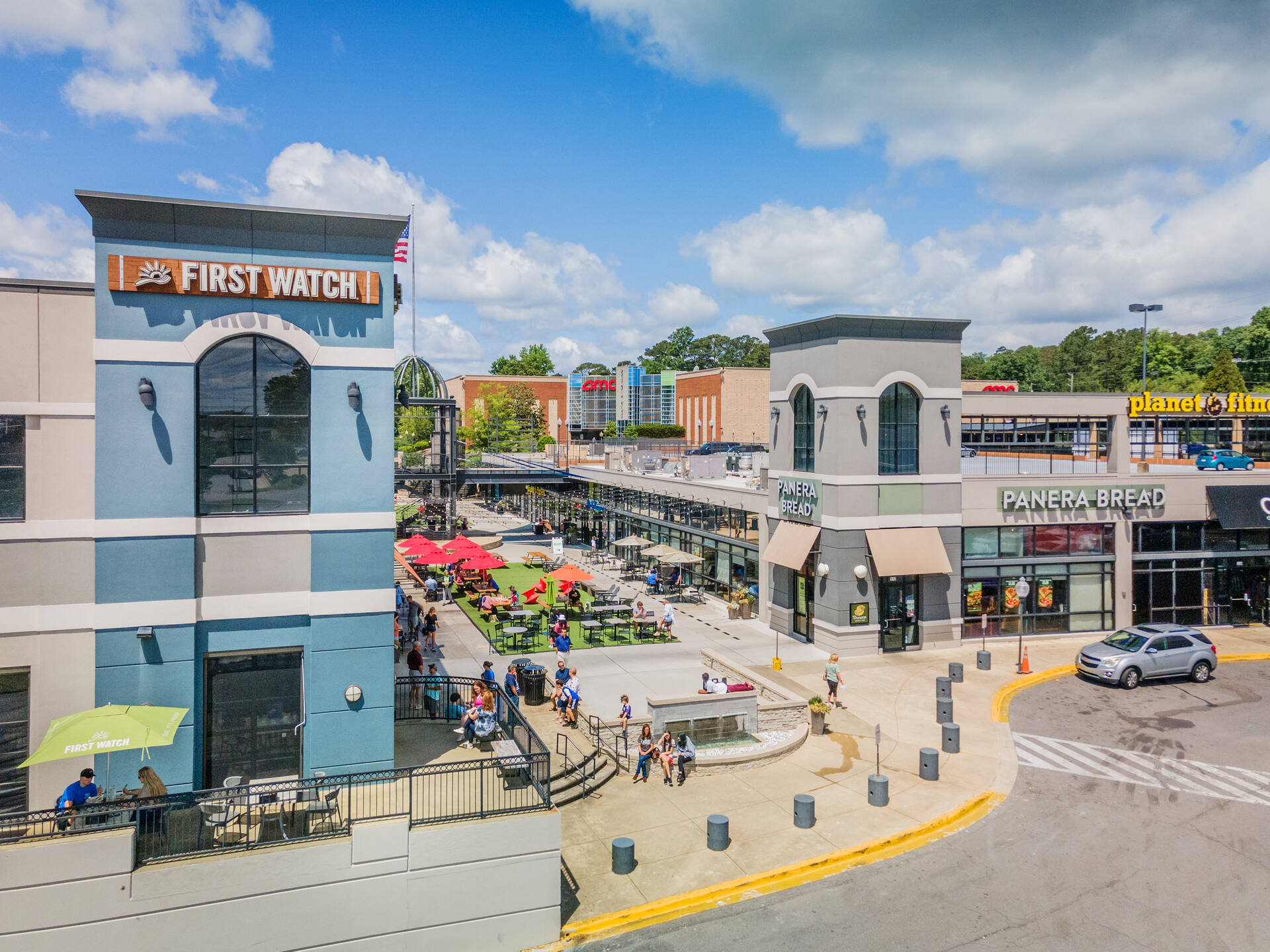
Locations
Supports professional events that value polished arrival, smaller room behavior, and quick access back to Birmingham venues.
Explore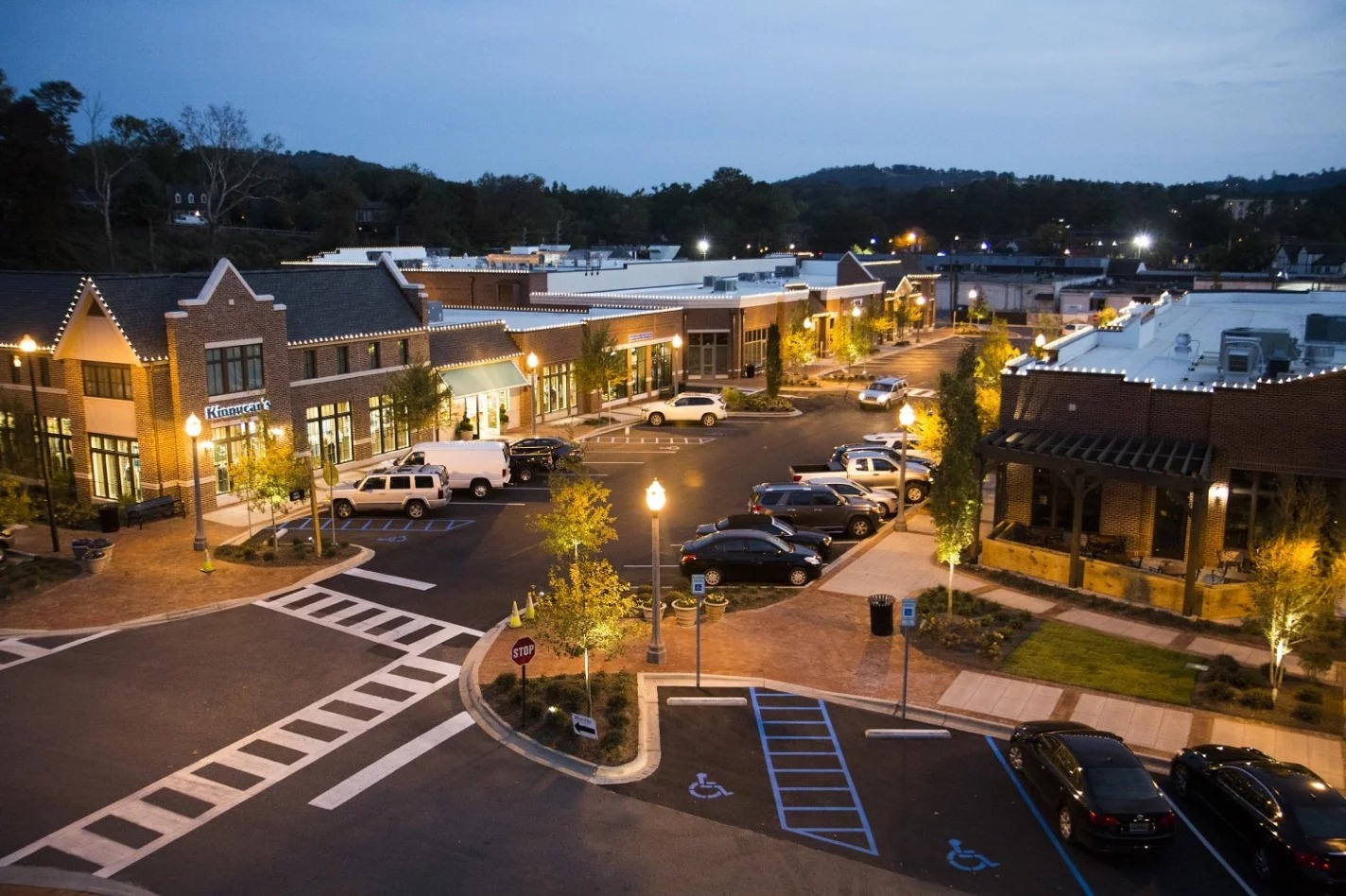
Locations
Serves premium hospitality, board-level meetings, and sponsor moments where finish quality and guest movement matter more than scale.
Explore
Locations
Connects flexible event space and arena-style logistics with south-metro access, practical loading, and regional attendee reach.
Explore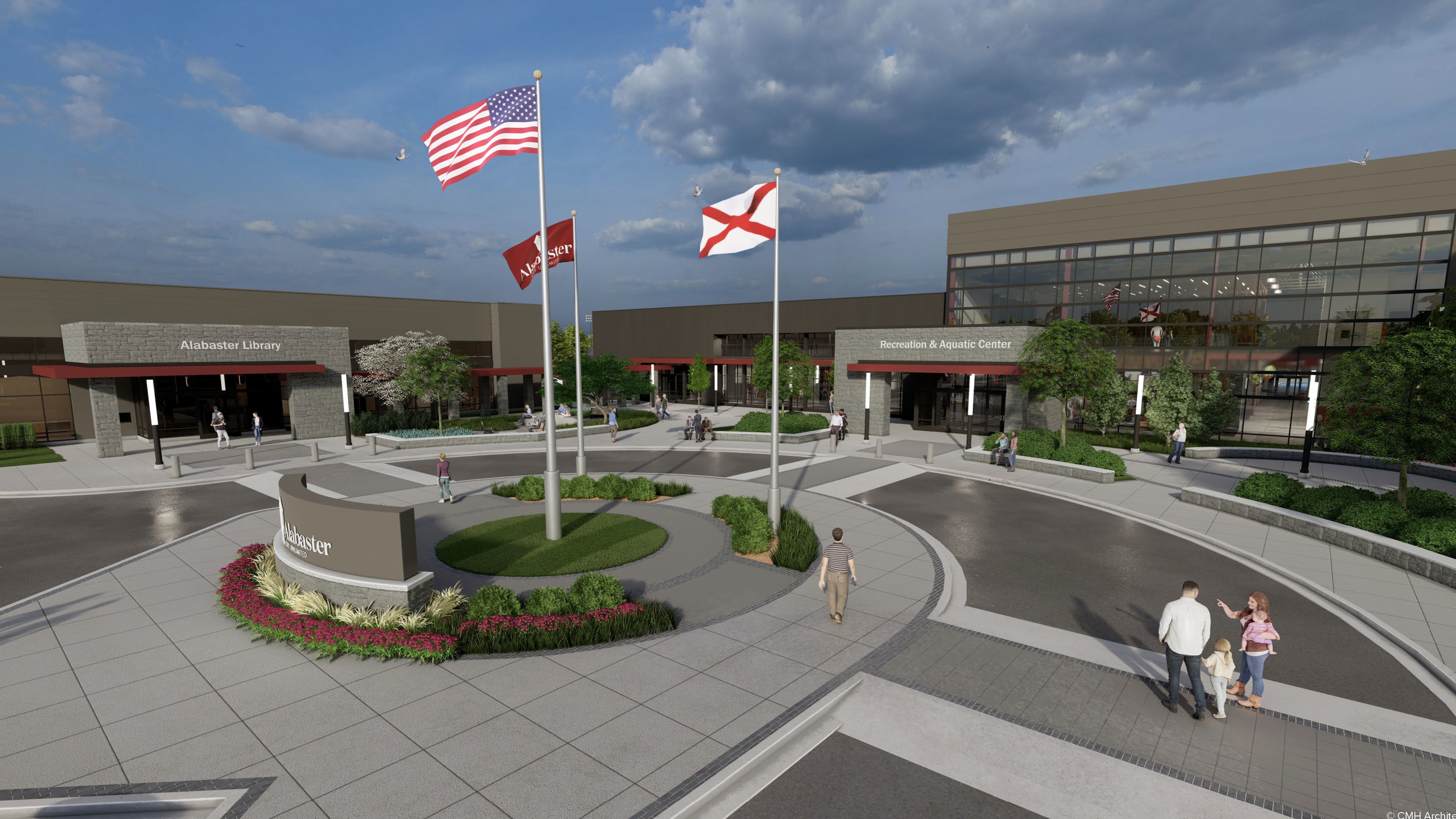
Locations
Gives Shelby County programs a reachable base for simpler load-in, regional staff access, and exhibit plans outside downtown pressure.
Explore
Locations
Works for local activations and smaller business events that need controlled setup, neighborhood access, and modest support requirements.
Explore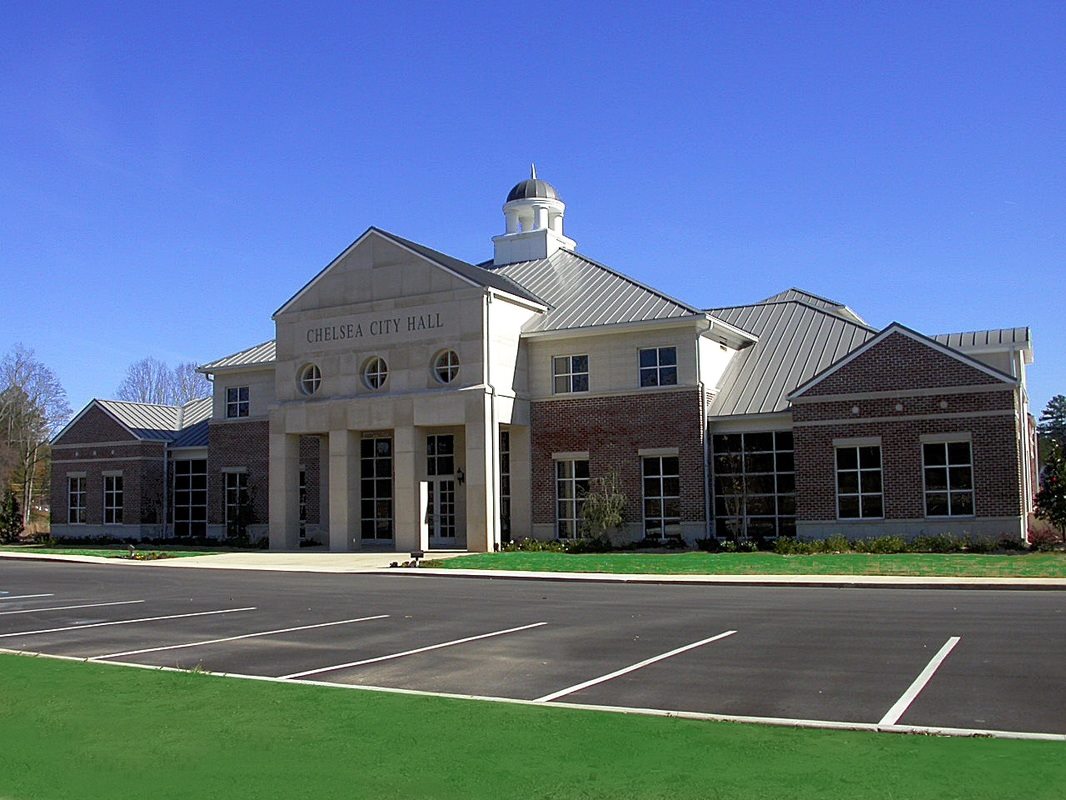
Locations
Extends service planning toward fast-growing south-metro audiences where access, parking, and portable exhibit choices carry the plan.
Explore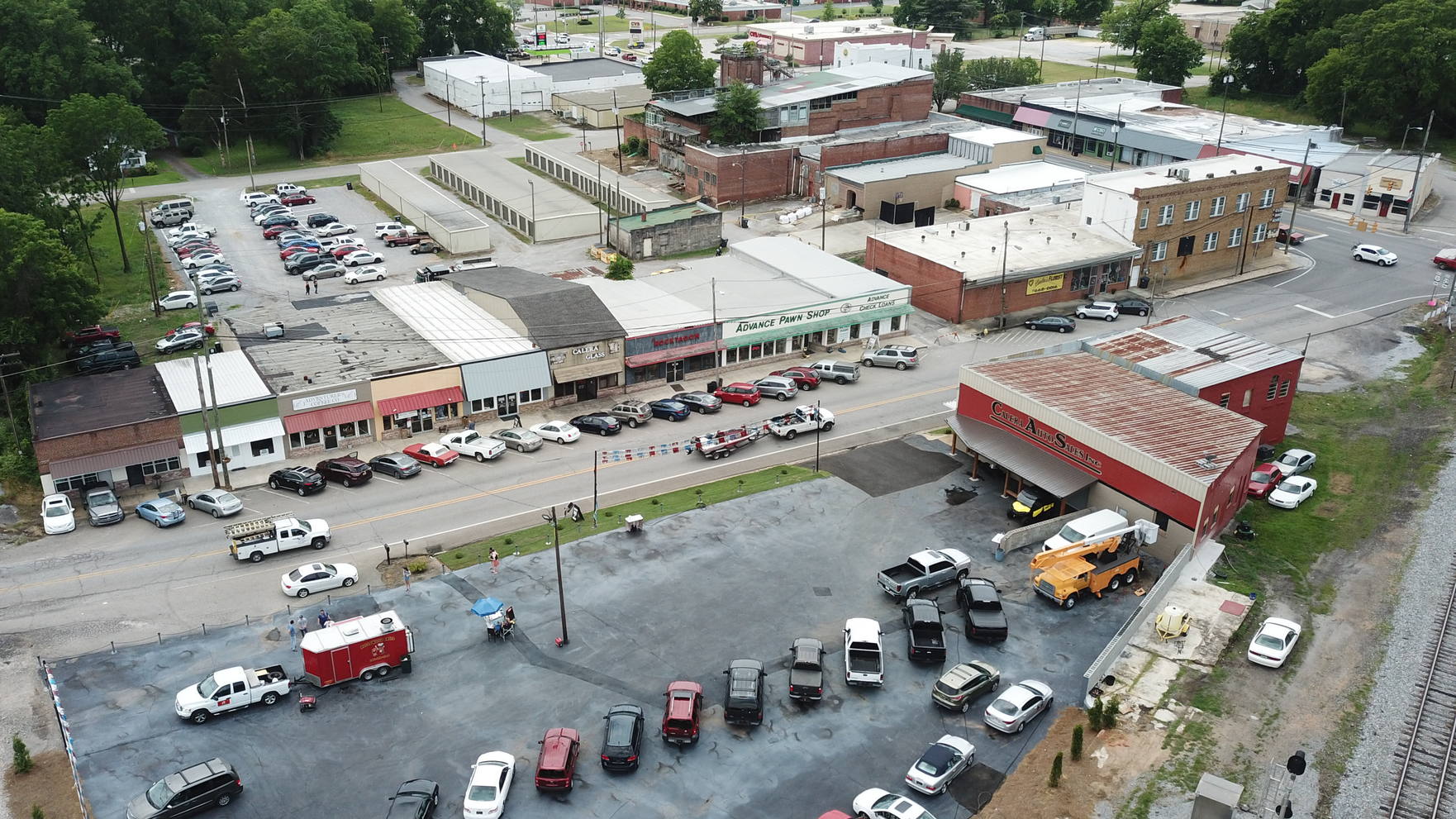
Locations
Supports corridor events that depend on interstate movement, practical freight routing, and compact booth systems that reset quickly.
Explore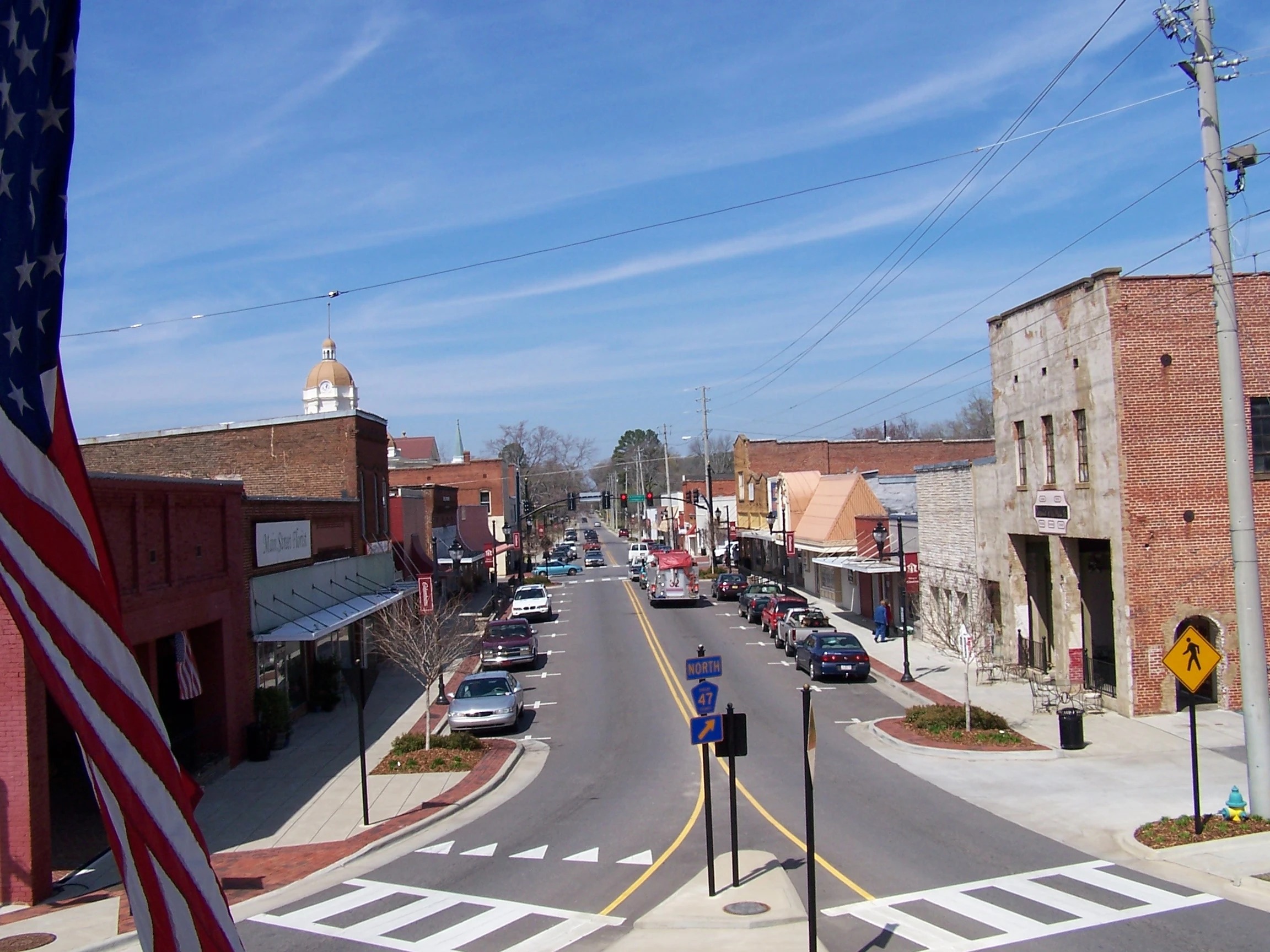
Locations
Fits civic and county-level programs where smaller rooms still need clear signage, portable displays, and dependable show-day support.
Explore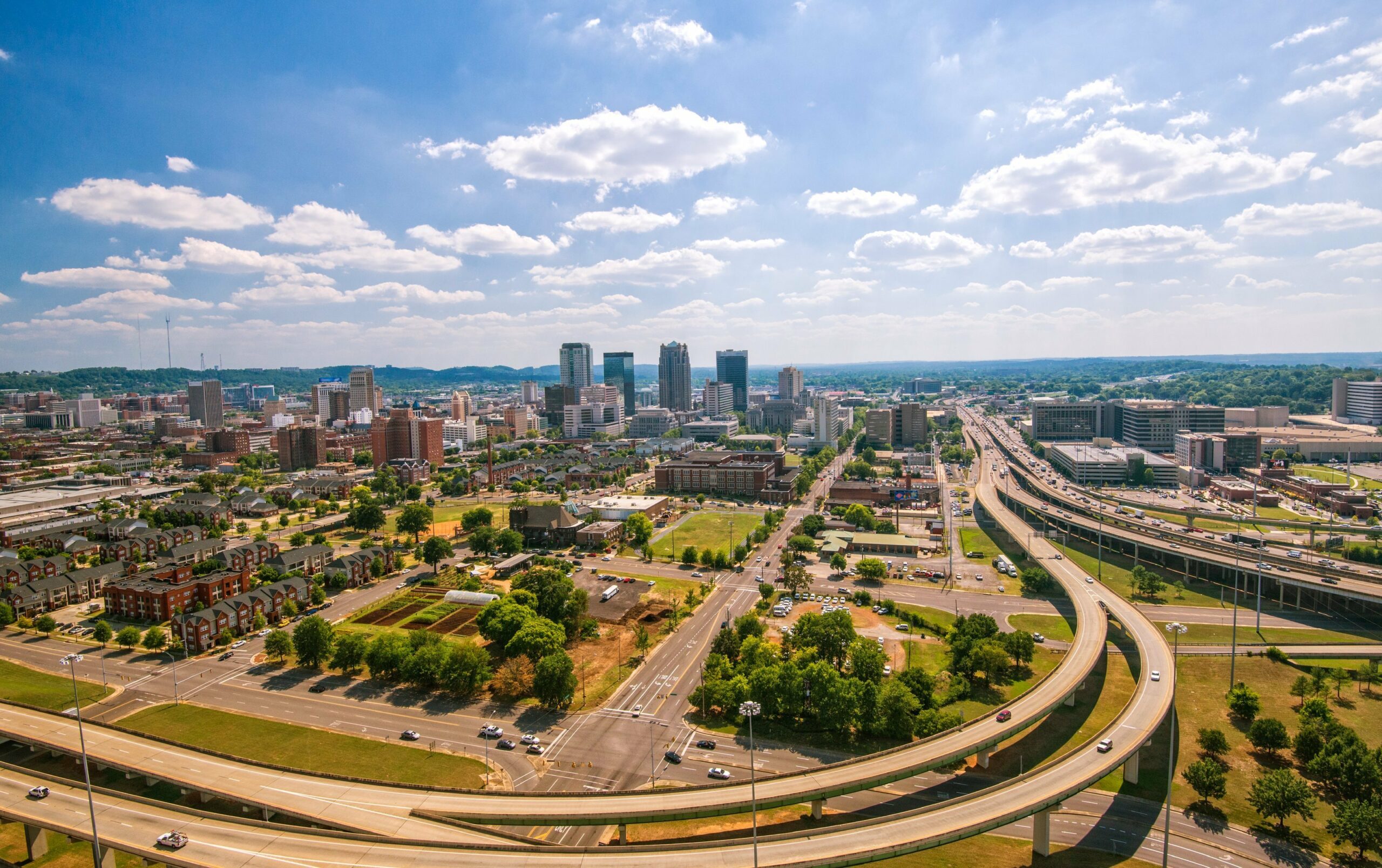
Locations
Keeps east-side event work close to Birmingham while planning around business parks, hotel access, and straightforward delivery windows.
Explore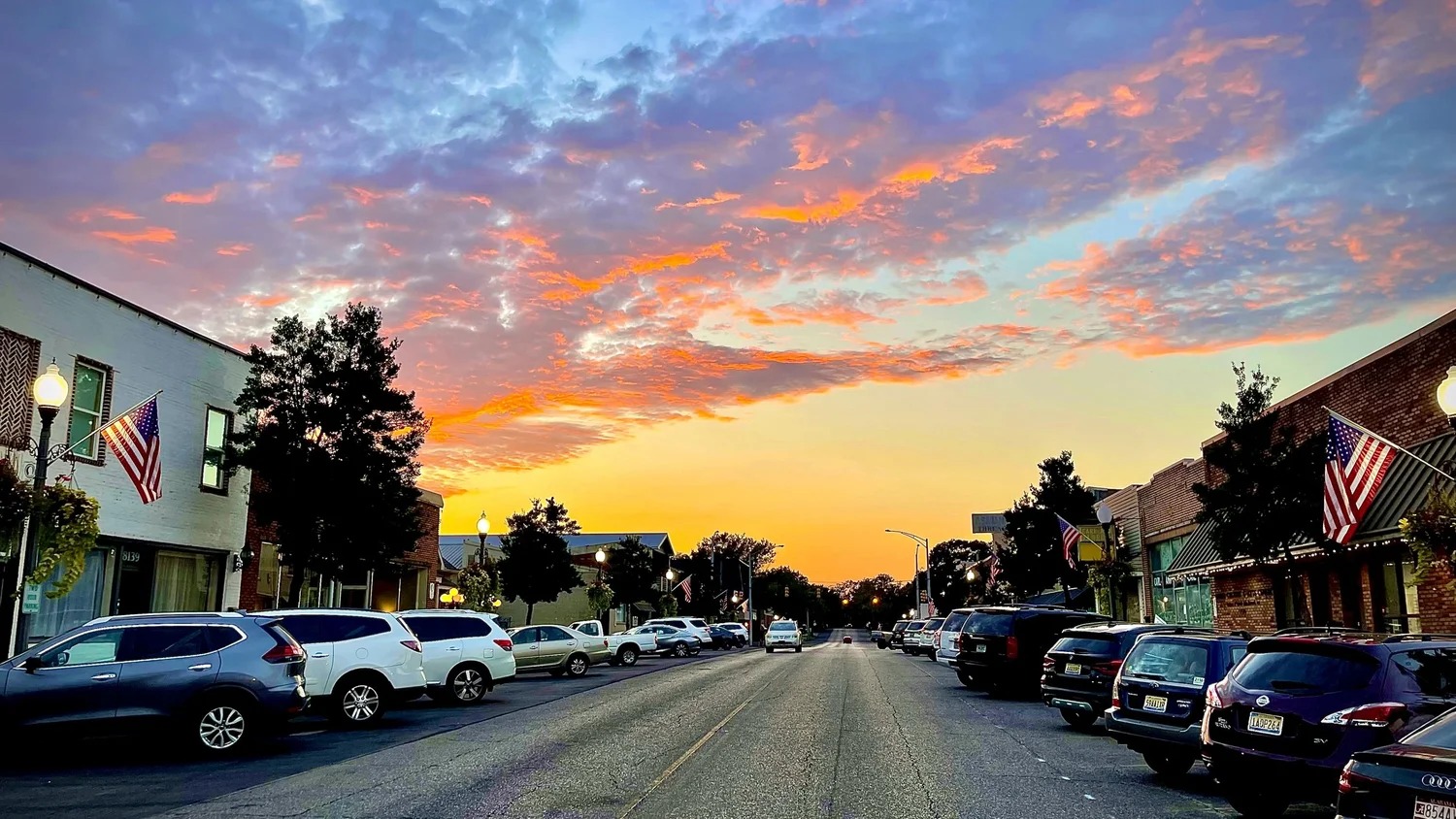
Locations
Works for east-corridor activations, retail events, and regional meetings where freight movement and attendee arrival need a clear map.
Explore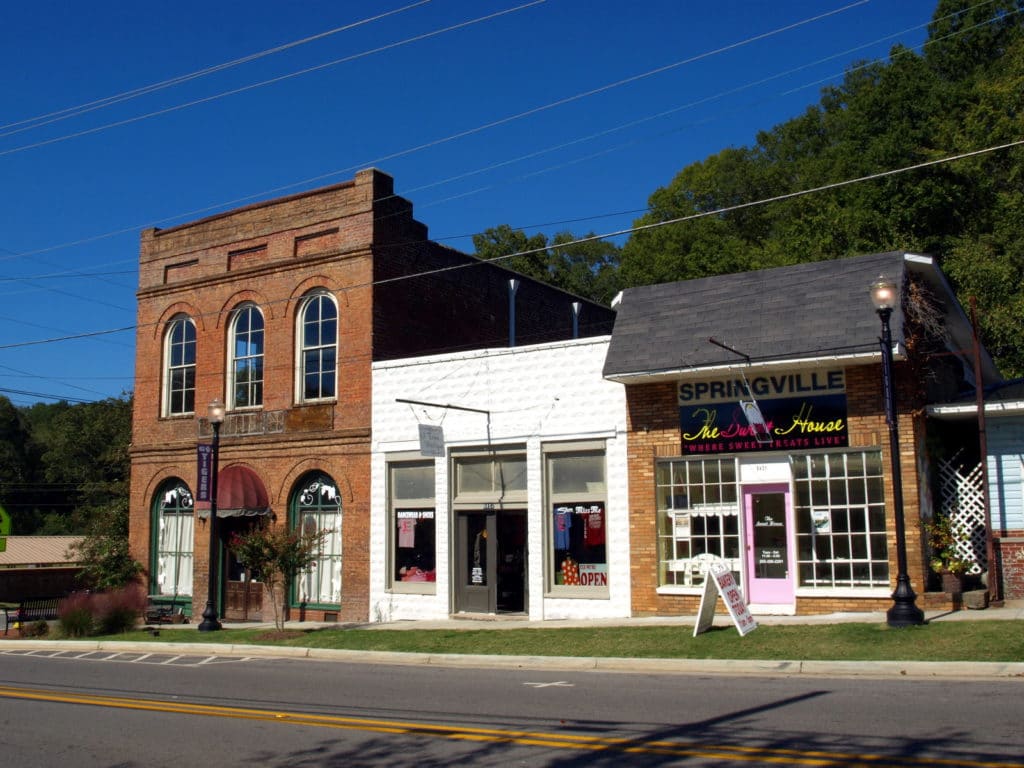
Locations
Supports growing St. Clair County programs with lighter exhibit footprints, short install windows, and practical road access.
Explore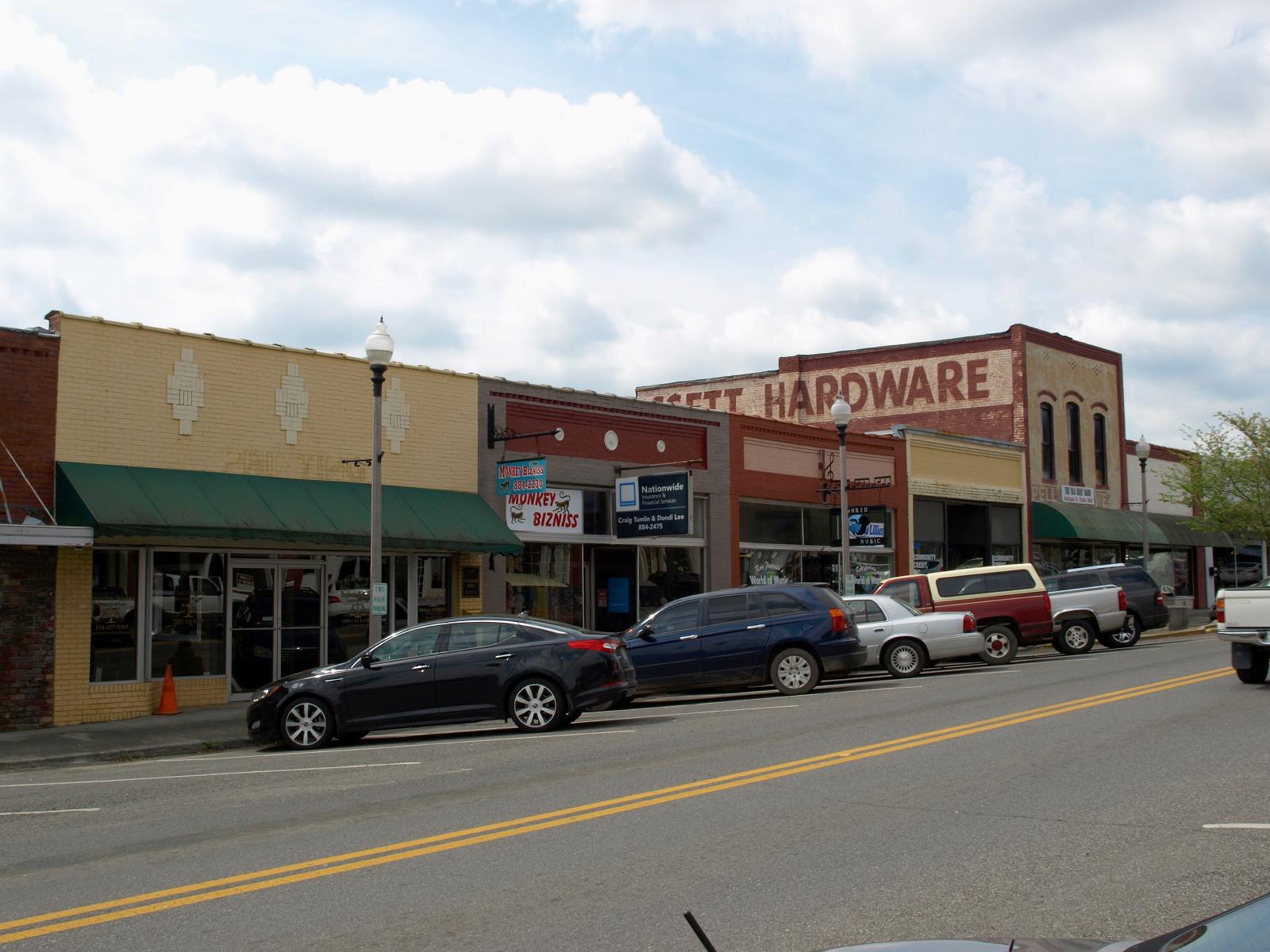
Locations
Serves lakeside and corridor events that need regional reach, simplified booth packages, and freight plans that do not depend on downtown docks.
Explore
Locations
Fits northeast-metro business events where venue choice, local traffic, and service timing need to be settled early.
Explore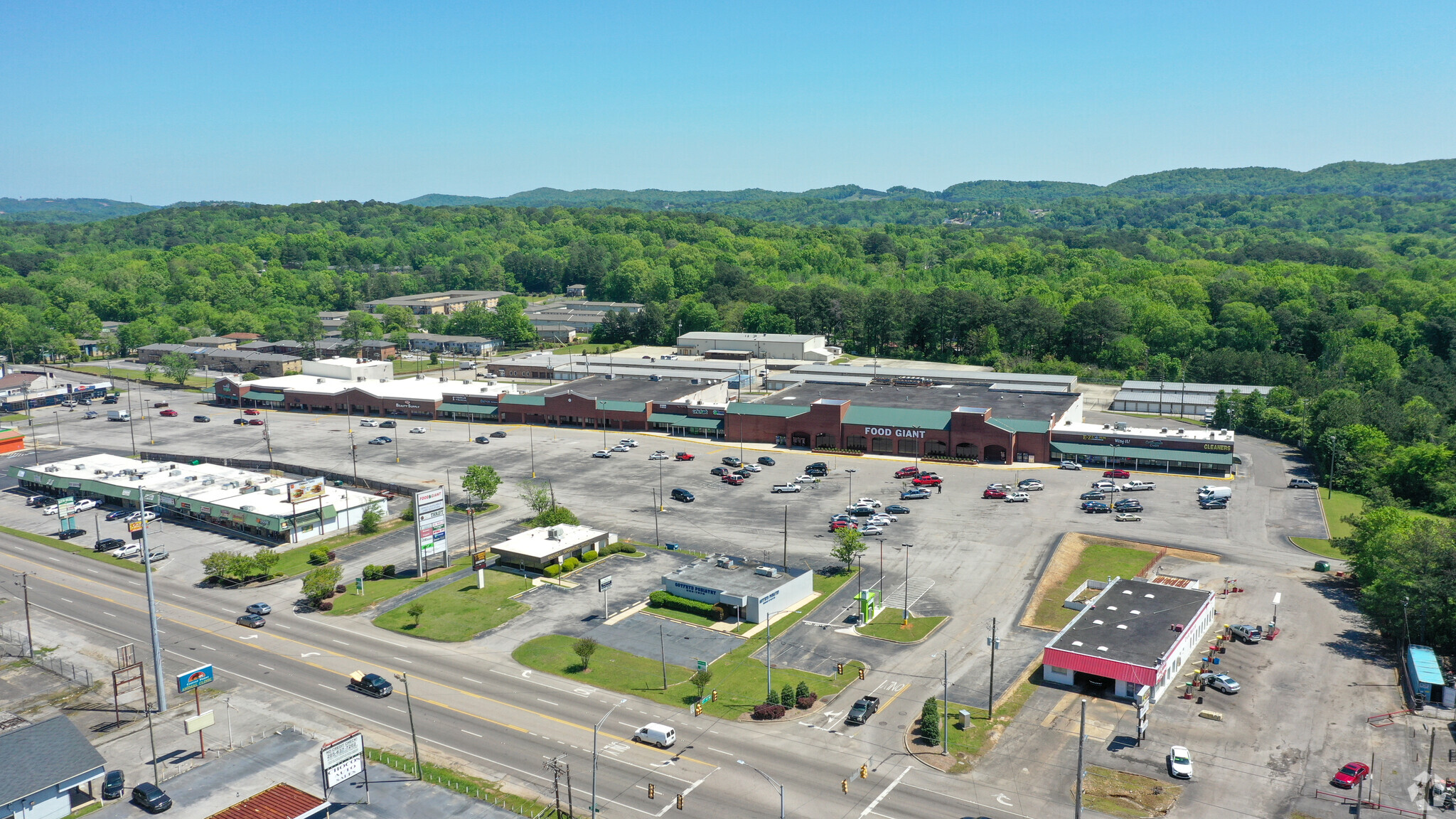
Locations
Supports community-facing events and workforce programs with portable graphics, registration flow, and measured labor needs.
Explore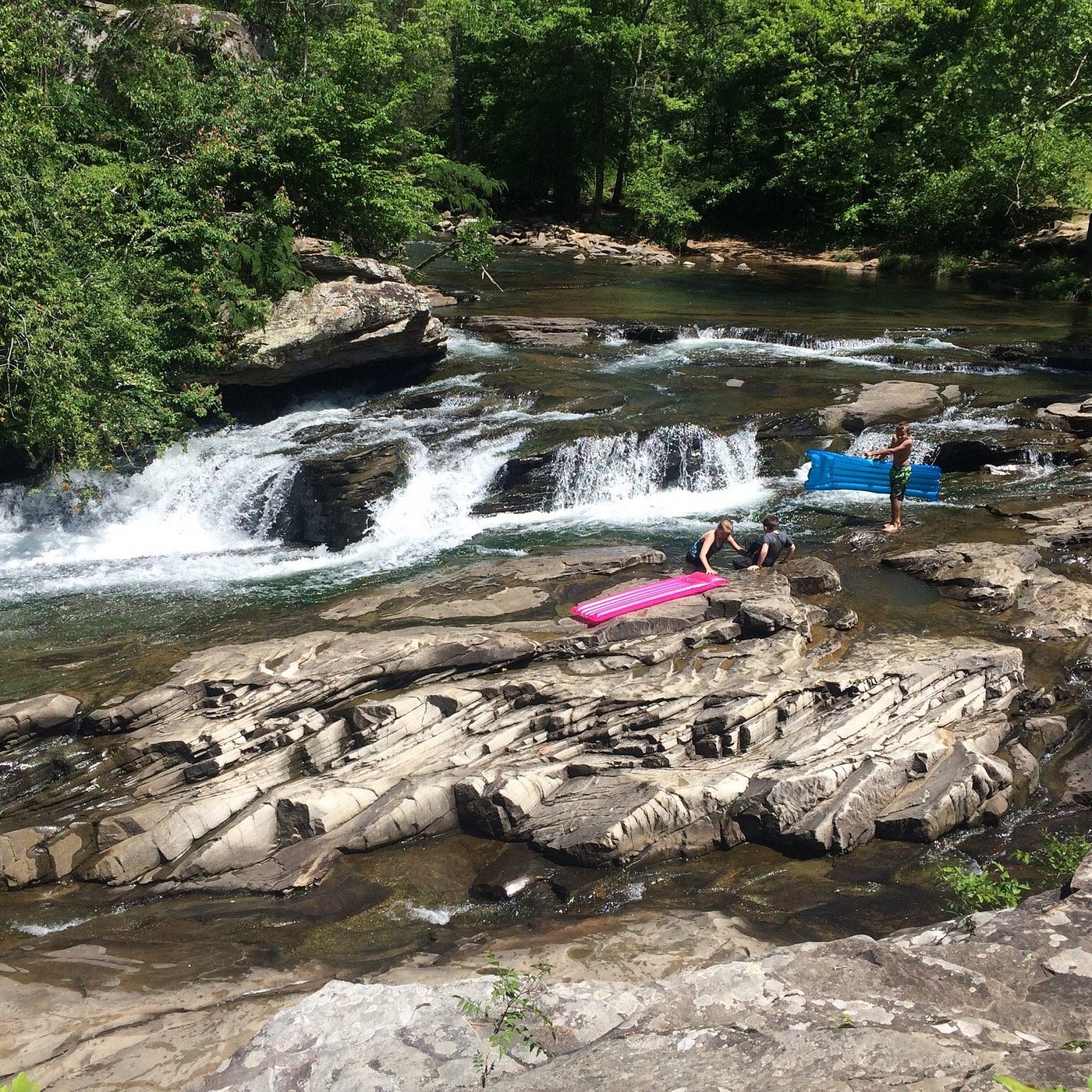
Locations
Keeps smaller activations organized with simple freight paths, reusable displays, and field support sized to the room.
Explore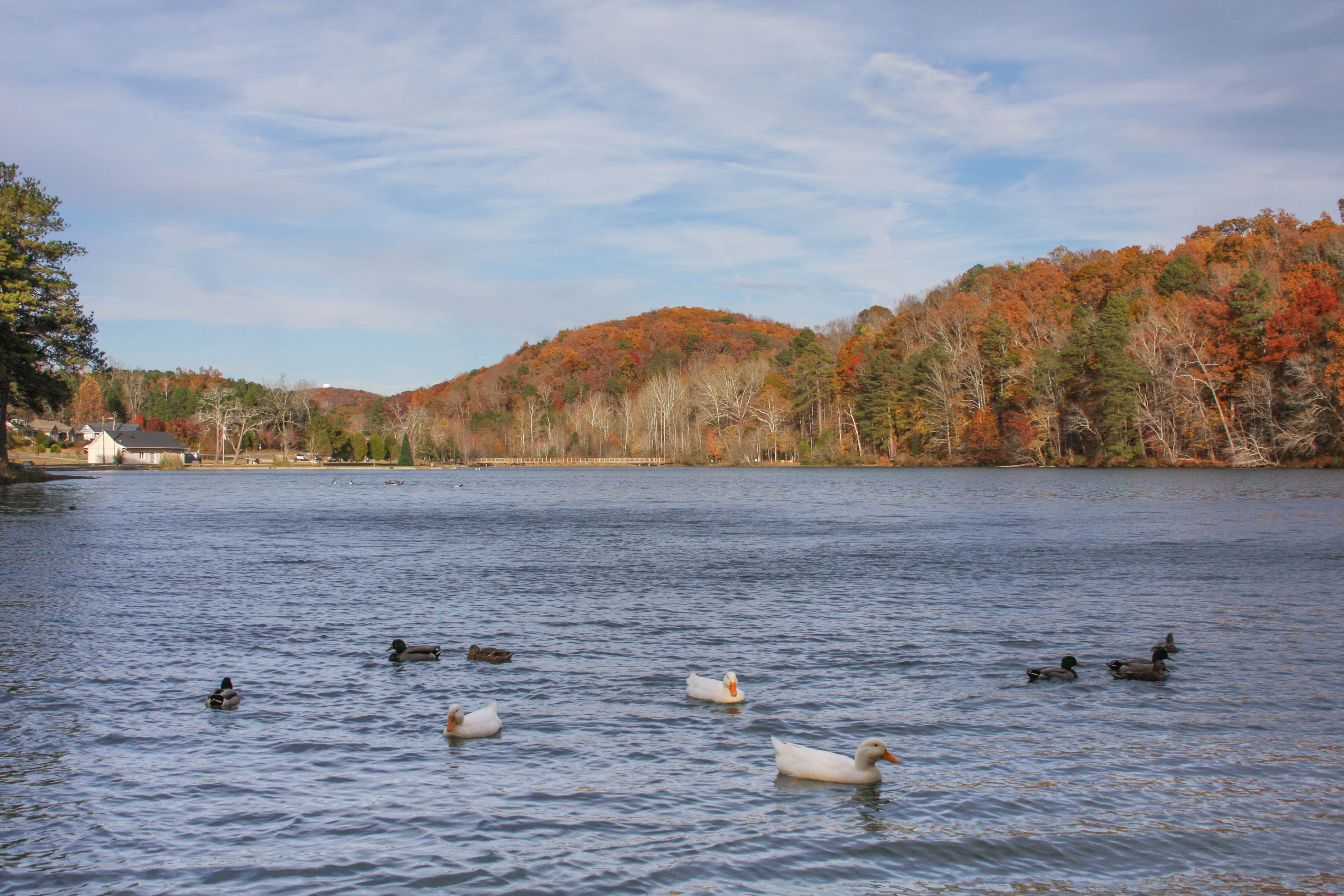
Locations
Works for low-friction local events where parking, compact setup, and a clear day-of owner matter more than heavy production.
Explore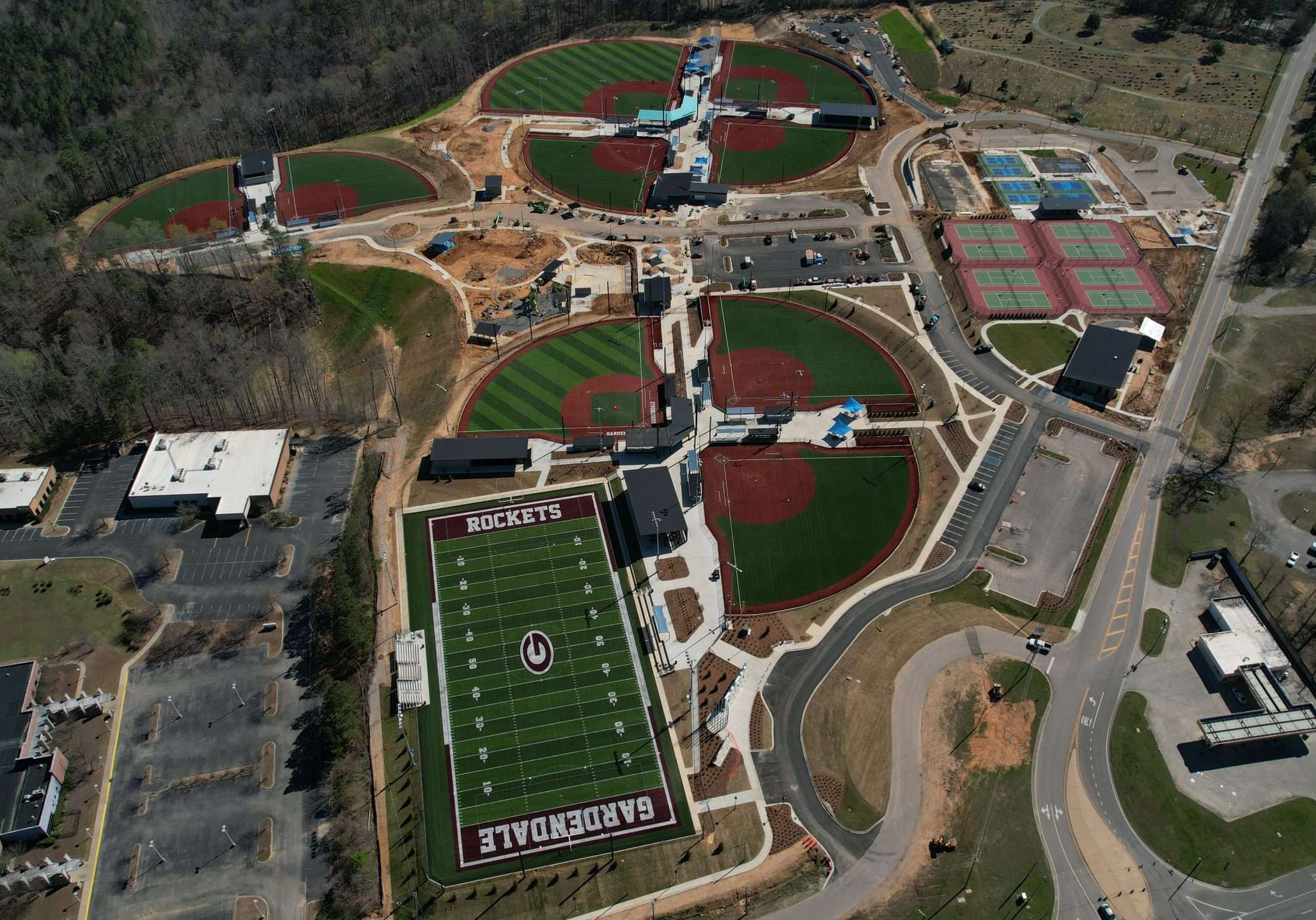
Locations
Connects north-metro audiences with event support that accounts for retail corridors, civic rooms, and fast setup expectations.
Explore
Locations
Serves north-side meetings and displays where interstate access, hotel proximity, and quick turnarounds shape the plan.
Explore
Locations
Fits western corridor projects that need reliable freight routing, industrial access, and exhibit choices that travel cleanly.
Explore
Locations
Supports manufacturing, logistics, and civic events where equipment movement, dock timing, and sturdy booth materials matter.
Explore
Locations
Works for neighborhood and west-metro programs that need portable displays, clear signage, and predictable staffing more than complex builds.
Explore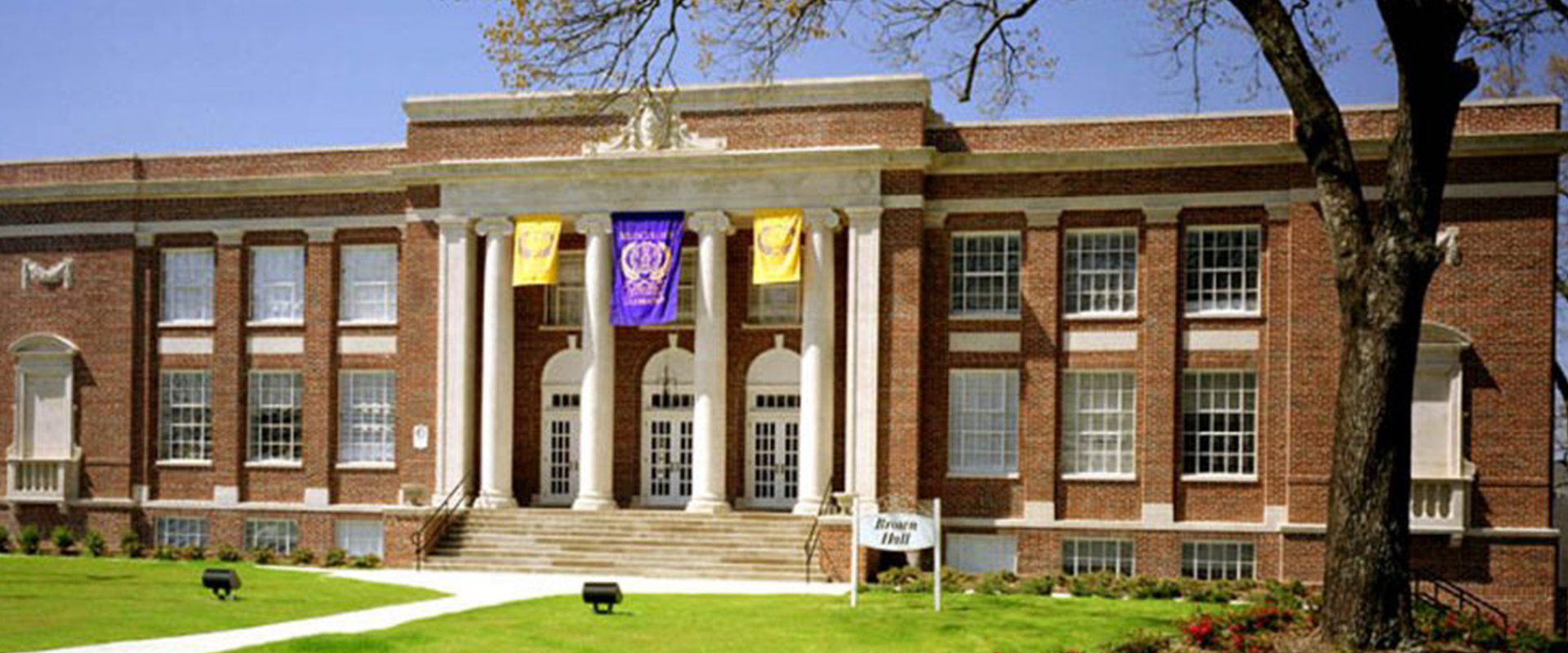
Locations
Gives institutional and community events a tighter plan for arrival, setup, wayfinding, and compact exhibit support.
Explore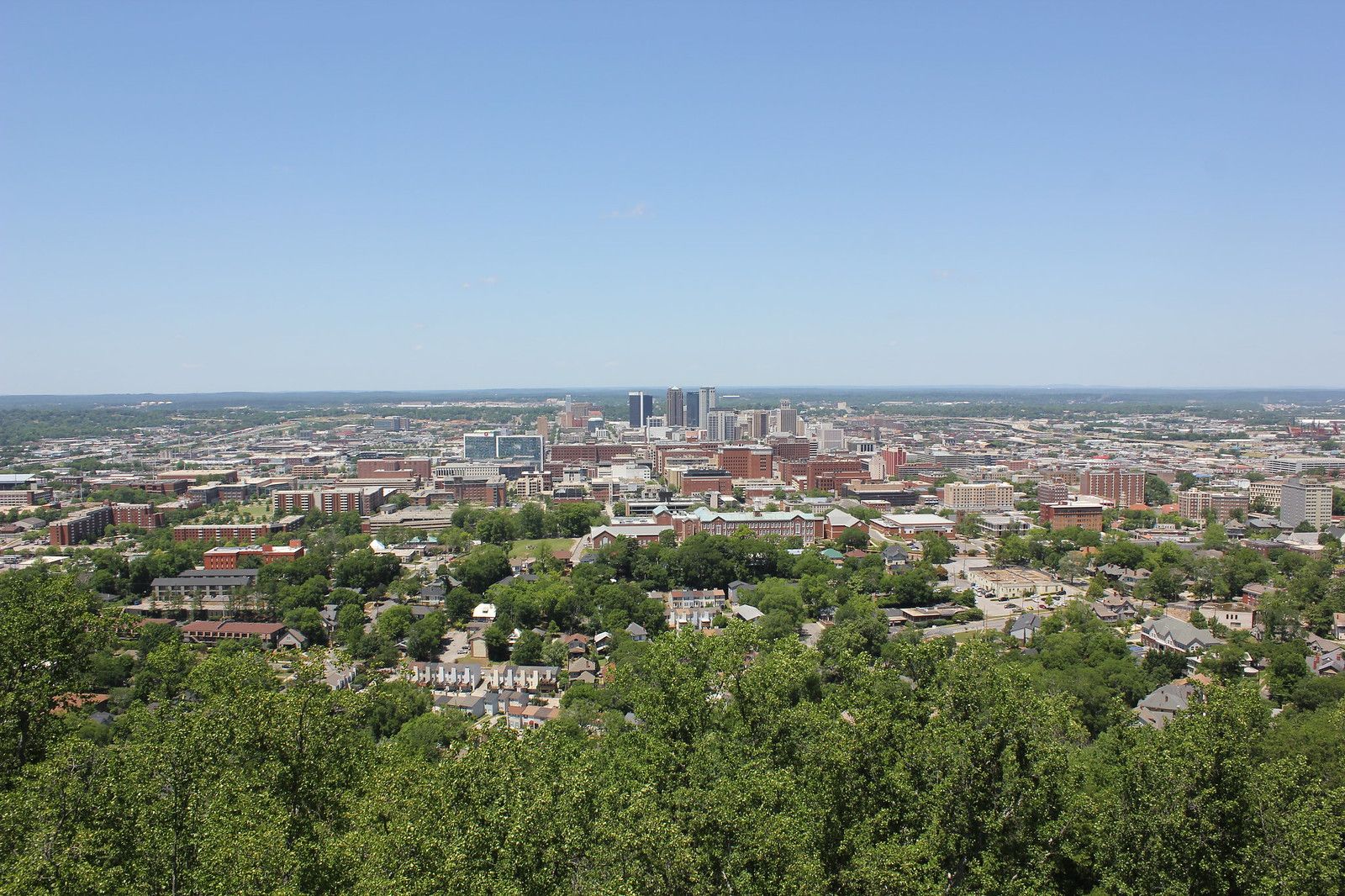
Locations
Keeps smaller west-side events practical with lean display systems, clear load-in notes, and support scaled to the venue.
Explore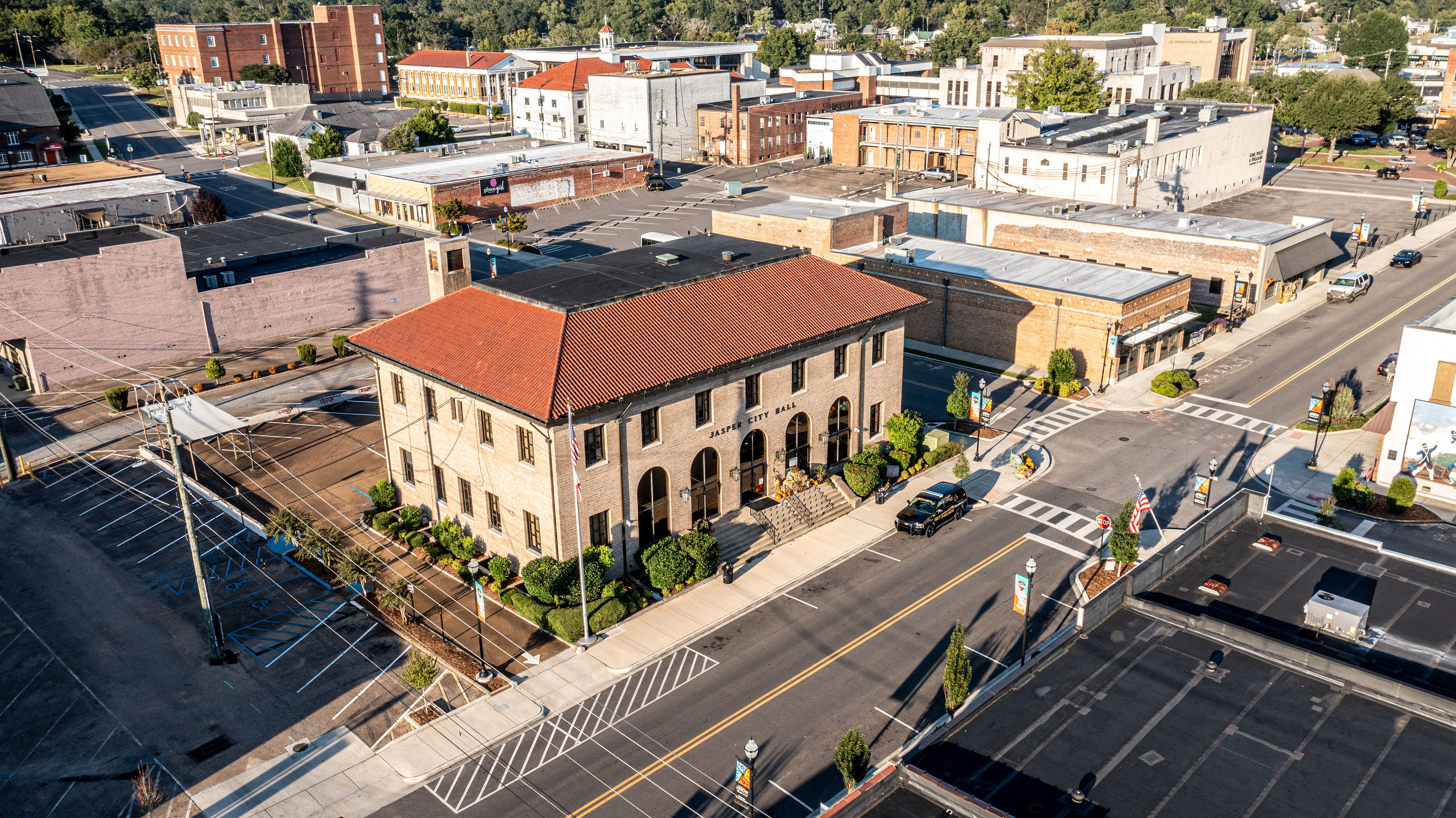
Locations
Extends service coverage northwest with road-ready exhibits, early freight checks, and plans built for regional business audiences.
Explore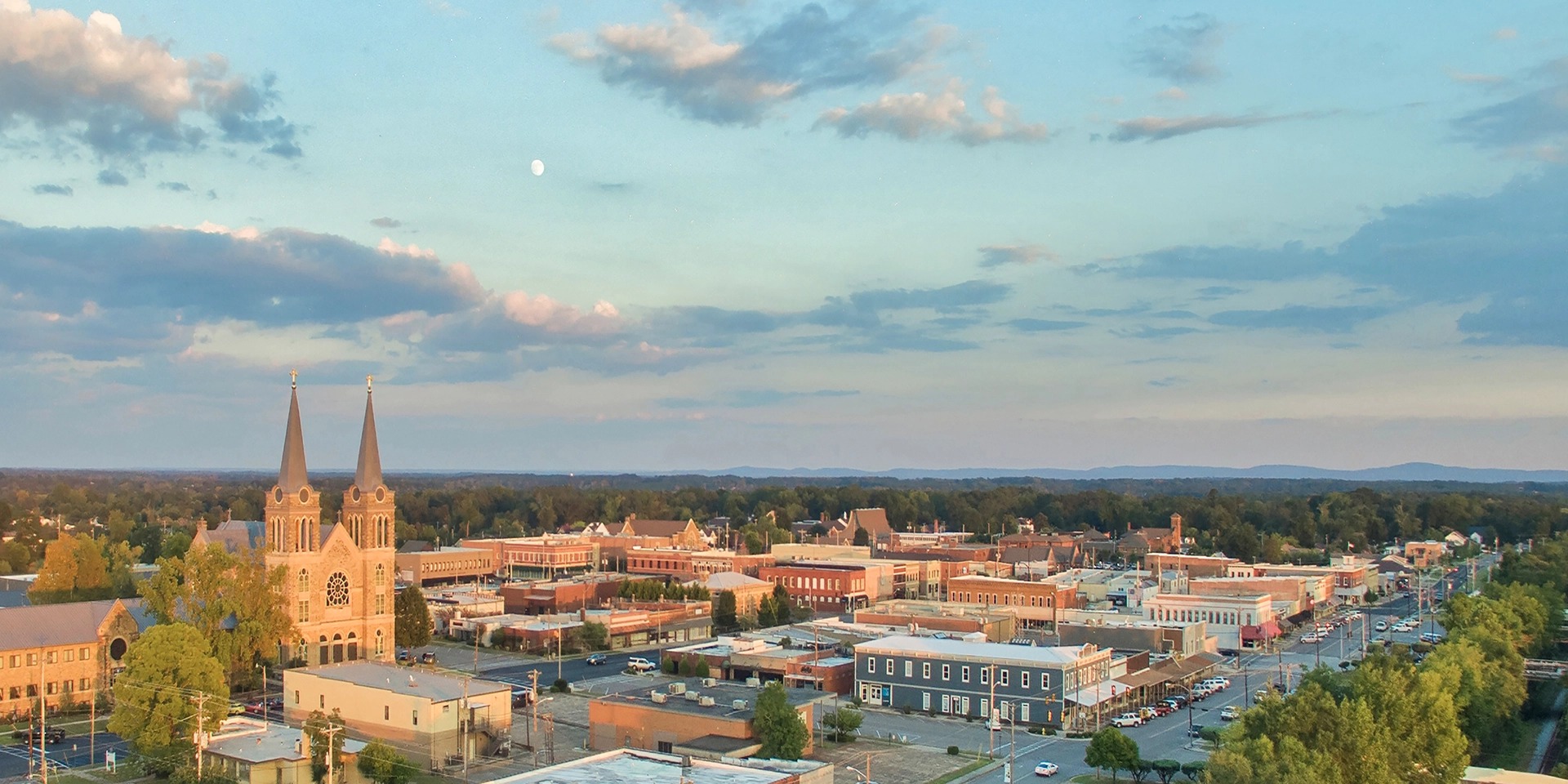
Locations
Supports north Alabama event work where travel timing, hotel coordination, and reusable booth systems need to be locked early.
Explore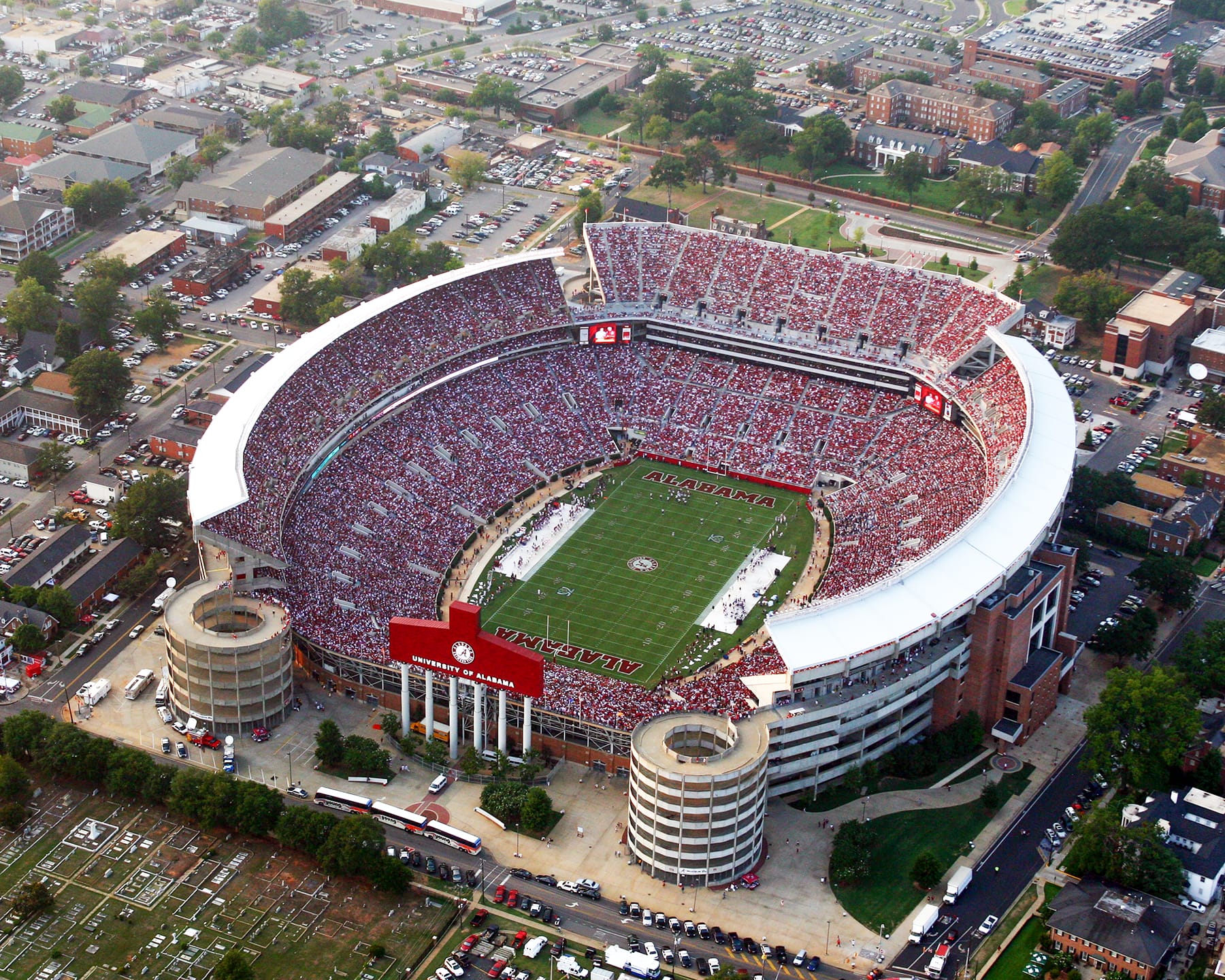
Locations
Connects university, conference, sports, and regional business events with exhibit plans built around heavier calendar swings.
Explore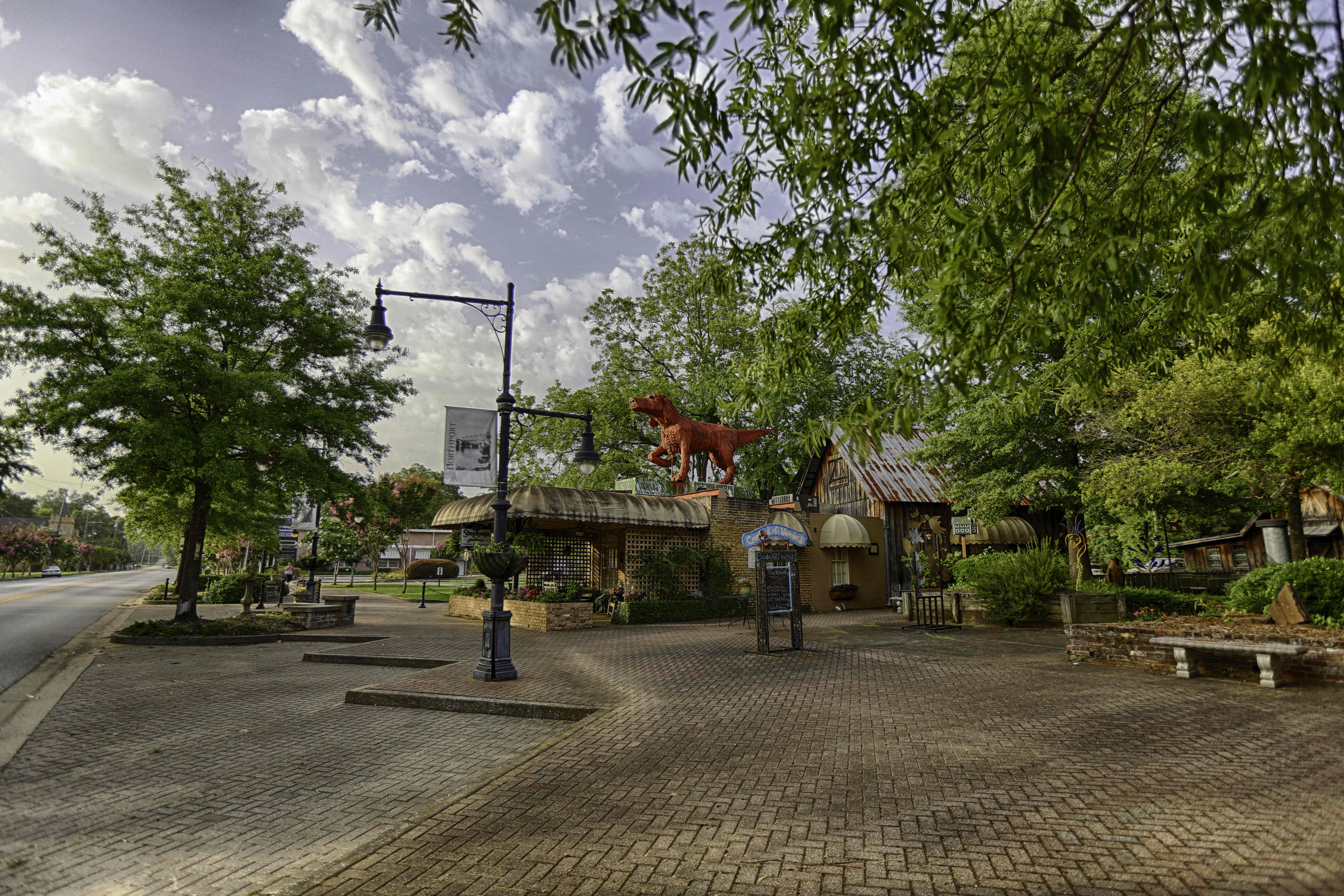
Locations
Works for Tuscaloosa-area programs that need calmer access, regional staffing, and show materials that can move across the river.
Explore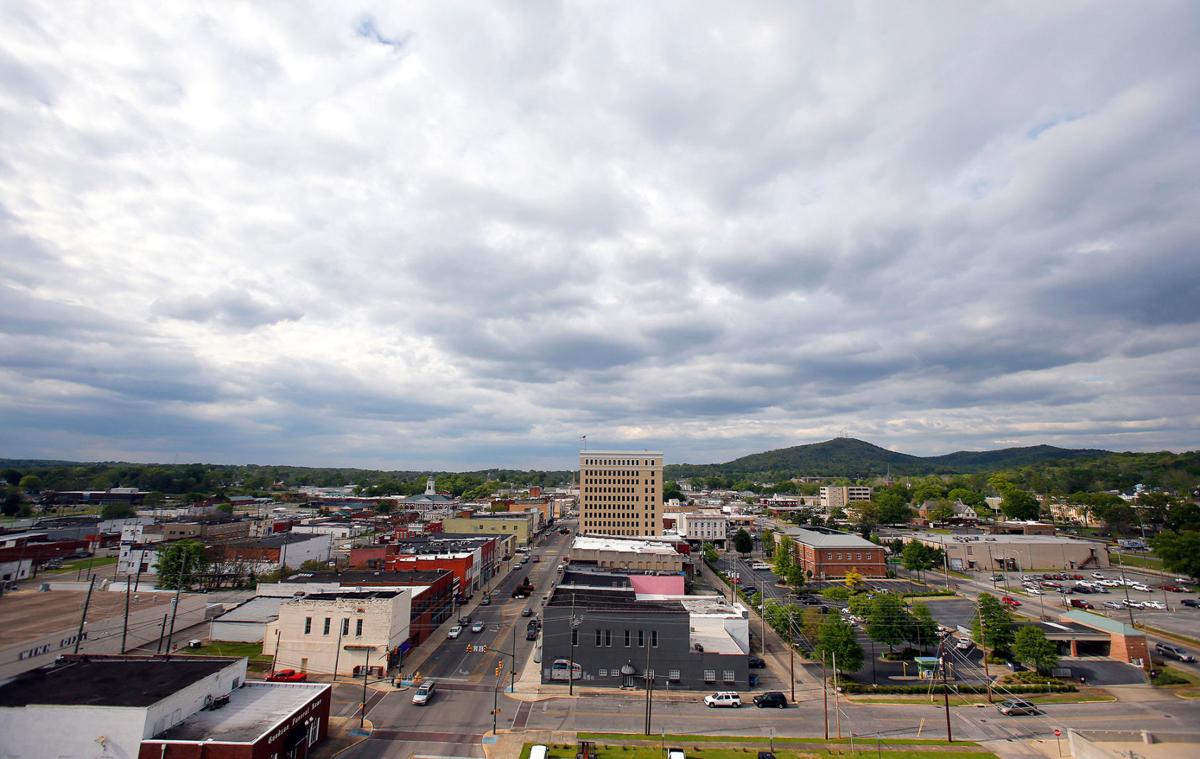
Locations
Serves east Alabama events with logistics plans that account for longer drives, compact crews, and dependable setup notes.
Explore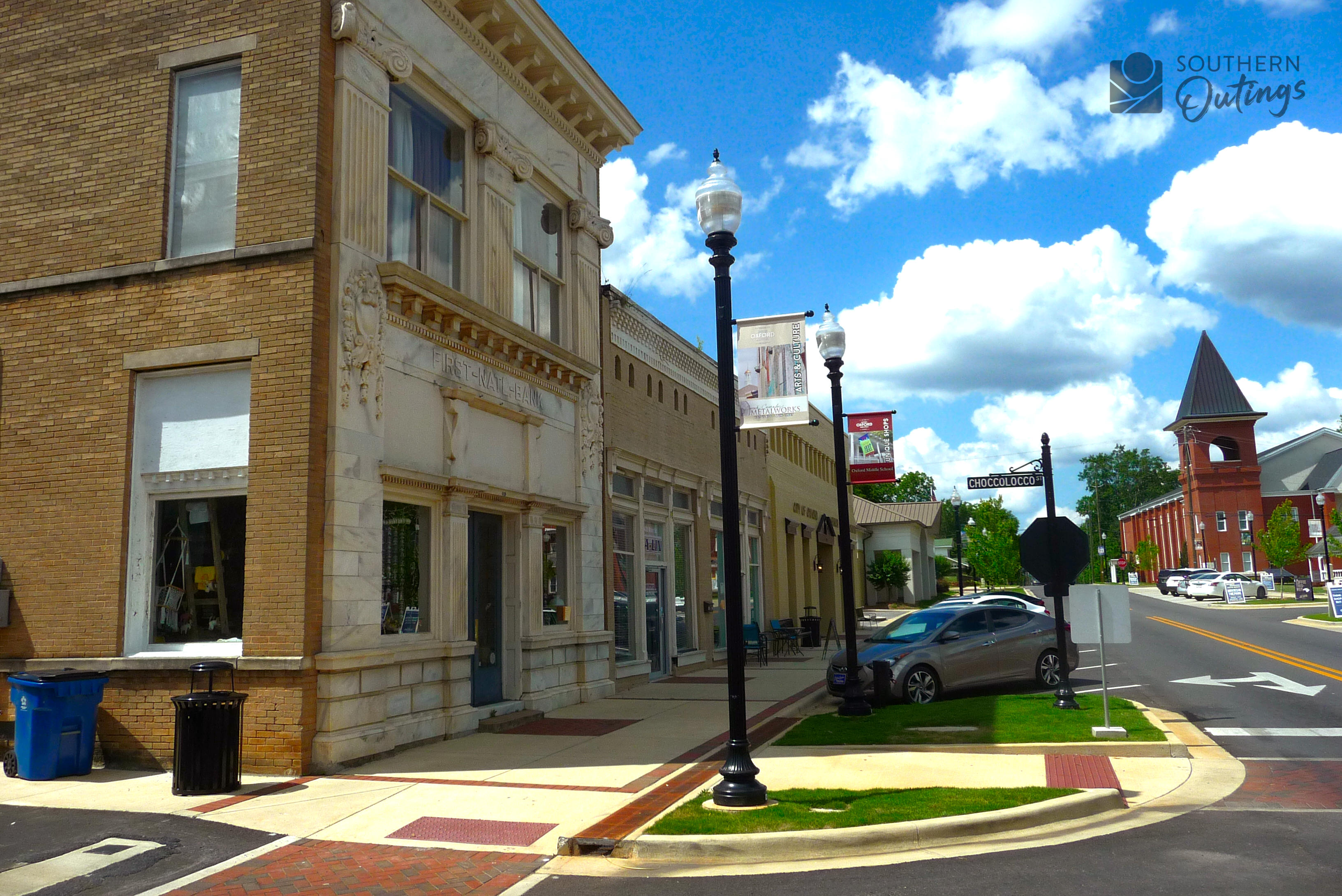
Locations
Fits corridor meetings and expos that need interstate visibility, practical booth packages, and field support without a downtown footprint.
Explore
Locations
Extends service planning toward northeast Alabama with attention to regional venues, freight distance, and portable exhibit reliability.
Explore
Locations
Supports smaller county events where clear graphics, easy assembly, and a realistic support plan protect the schedule.
Explore
Locations
Works for developing east-metro programs that need flexible displays, simple logistics, and service calls sized to the room.
ExploreLocations planning starts with the event conditions, not with a broad label. The venue, the date, the booth behavior, and the support requirements all need to be visible early if the project is going to move cleanly.
That matters in Birmingham, AL because convention halls, hotel properties, stadium spaces, civic venues, and regional event sites do not create the same labor path, freight timing, or day-of pressure.
A strong location decision should answer practical questions first: how the room behaves, what has to be approved, where graphics and AV become critical, and what kind of field leadership the event will need.
The best event plans also look past opening day. Storage, reuse, closeout, and the next date on the calendar all influence the choice today, especially for repeat programs that need to travel between room types.
The most reliable decisions in this area are tied to venue approvals, freight discipline, labor planning, installation and dismantle, graphics production, AV coordination, staffing, and stakeholder alignment.
Used well, a sharper location decision reduces rework, clarifies ownership, and gives the client a more defensible path from kickoff through strike.
Birmingham runs one of the busiest trade show calendars in the region. Convention weeks stack close together, hotel blocks compete for the same nights, and the venues themselves shape what is possible on the floor.
Exhibitors pulling back on budget in Birmingham still have to show up in the same booth neighborhoods as their competitors. Scope gets tighter; standards don't. The booths that land well are the ones built on a specific plan, not a generic template.
UAB describes collaboration as being at the core of its $800 million research enterprise and highlights broad medical and life-sciences activity tied to Birmingham — a useful reference point when sizing a project.
The Greater Birmingham CVB describes the BJCC district as a walkable convention campus with over 420,000 square feet of flexible meeting space, 88 breakouts, 18 venues, and on-campus hotel inventory.
Different Birmingham venues mean different floor plans, different labor rules, and different freight realities.
Across the Birmingham venue set, what changes between buildings are the labor model, the rigging approval path, the drayage setup, and the published move-in window. The plan has to match the specific building.
Protective Stadium Recruiting Room is one of the anchors. The Recruiting Room provides 6,442 square feet of meeting and entertainment space.
The room is equipped with three mounted 75-inch TVs for presentation use.
Legacy Arena Club: the Arena Club includes 6,800 square feet of event space on the floor level of Legacy Arena.
CityWalk BHAM. The Greater Birmingham CVB describes CityWalk BHAM as a state-of-the-art event space and recreational park stretching ten blocks beneath I-59/20.
Labor in Birmingham runs venue-by-venue, not citywide. Each building publishes its own rules for who handles what on the floor.
The workable version of Birmingham labor planning is boring on purpose: read the manual, match the scope to its categories, order what the venue sells directly, and schedule everything else around its posted windows. Surprises almost always trace back to a step someone skipped.
Birmingham-Jefferson Convention Complex — Trade and consumer shows with decorating and drayage needs such as pallet jacks, forklifts, and dollies will need a service contractor.
Practical planning rules for Locations in Birmingham: Trade-show teams should confirm labor and service expectations with the venue and organizer before booking move-in, rigging, utility, and show-site support. Labor requirements vary by venue, show manual, event type, and house-service rules.
Planner questions
Yes. 31 event rooms at the Westin Birmingham. Projects at that building are planned against its specific floor rules.
It runs venue by venue. At BJCC outdoor events / City Walk adjacency, the BJCC will arrange crowd-management and event-staffing services for police, security managers, door guards, and ticket takers, or require approval of an alternate staffing plan. Other Birmingham venues have their own published rules, and the plan matches the specific building.
Custom builds run best with 16 to 20 weeks of lead time. Rentals take 8 to 12 weeks. Work inside 4 weeks is possible but raises costs and narrows the options.
The show, the venue, the booth number, the dates, and a target budget range. From those, an initial scope and a realistic cost come back within a few days.
One named show-site lead runs the install, the show hours, and the strike. That person carries the floor plan and the punch list from crates to doors and reports up once a day.
Yes — builds are designed for modular reuse unless single-use scenic is specifically required. Same structure, swappable graphics, standard crates. Birmingham programs that roll to another city on the same calendar get handled end to end.
The on-site lead handles it. Minor repairs happen in place; anything larger gets sourced from the local shop or rerouted through the venue's service desk.
Need a specific guide?
Start with the venue, the date, and the support mix so the next conversation can move directly into the event conditions that matter most.