Booth Formats

Booth Types for Birmingham event teams

Booth Types work in Birmingham is strongest when the venue, the schedule, and the live objective are defined together before fabrication, freight, labor, and field supervision start moving on separate clocks.

Booth layouts

Booth Types aligned to real Birmingham event work

Compare the options by room behavior, build complexity, labor demand, timing pressure, and the kind of support the live event will require.

Inline Booth Displays for Birmingham trade show planning

Booth Types

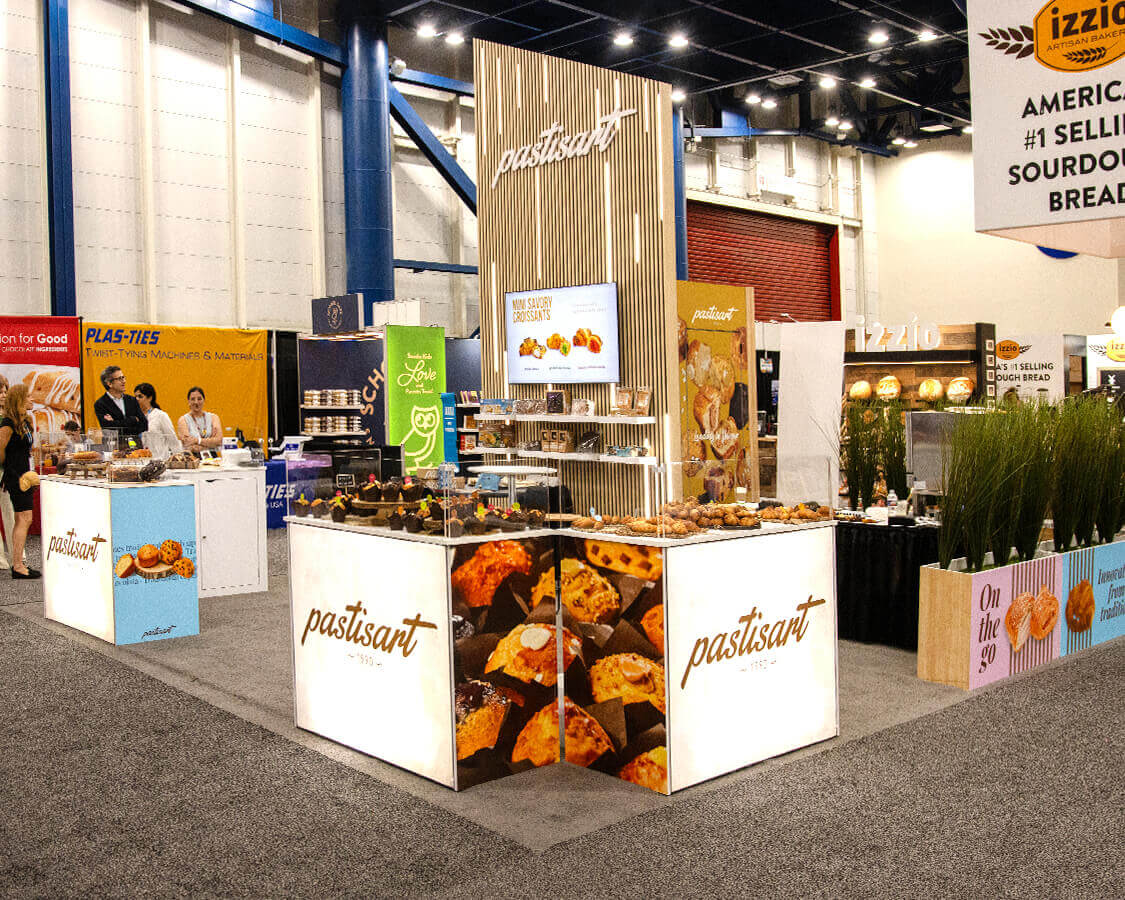
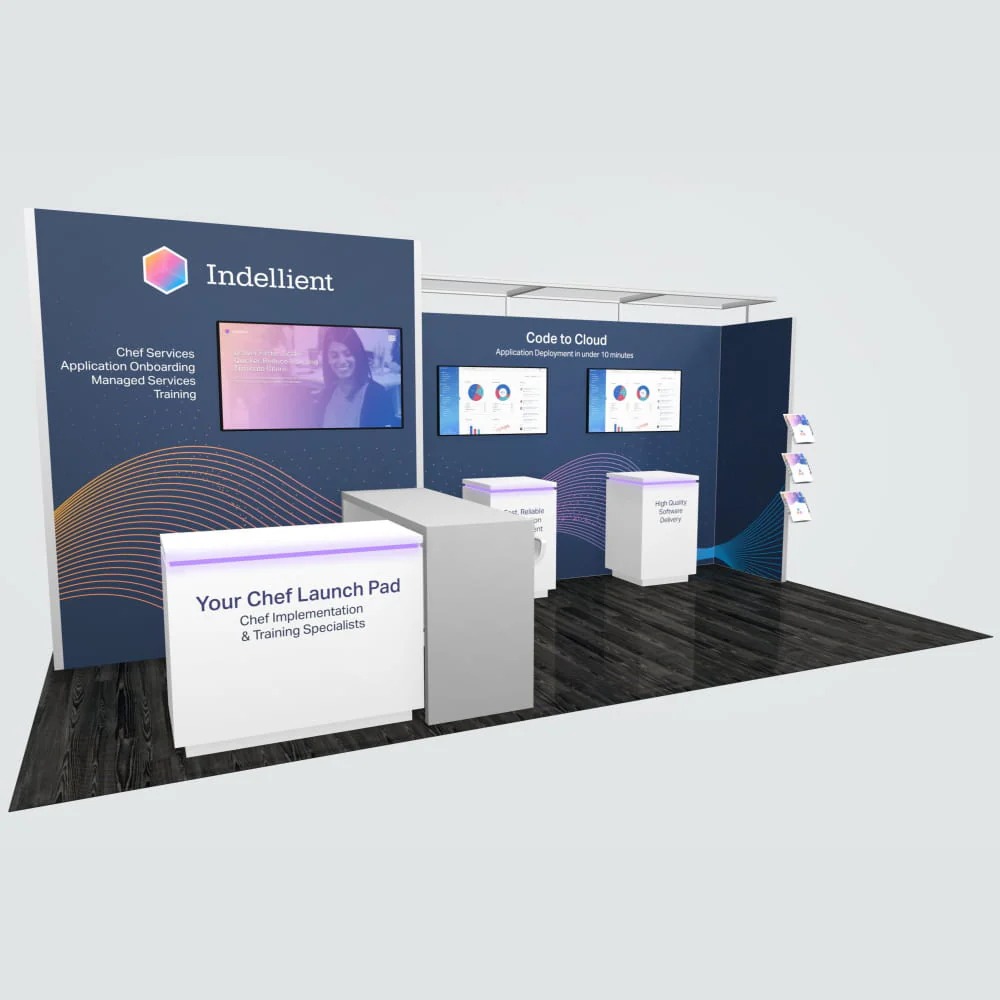
Inline Booth Displays

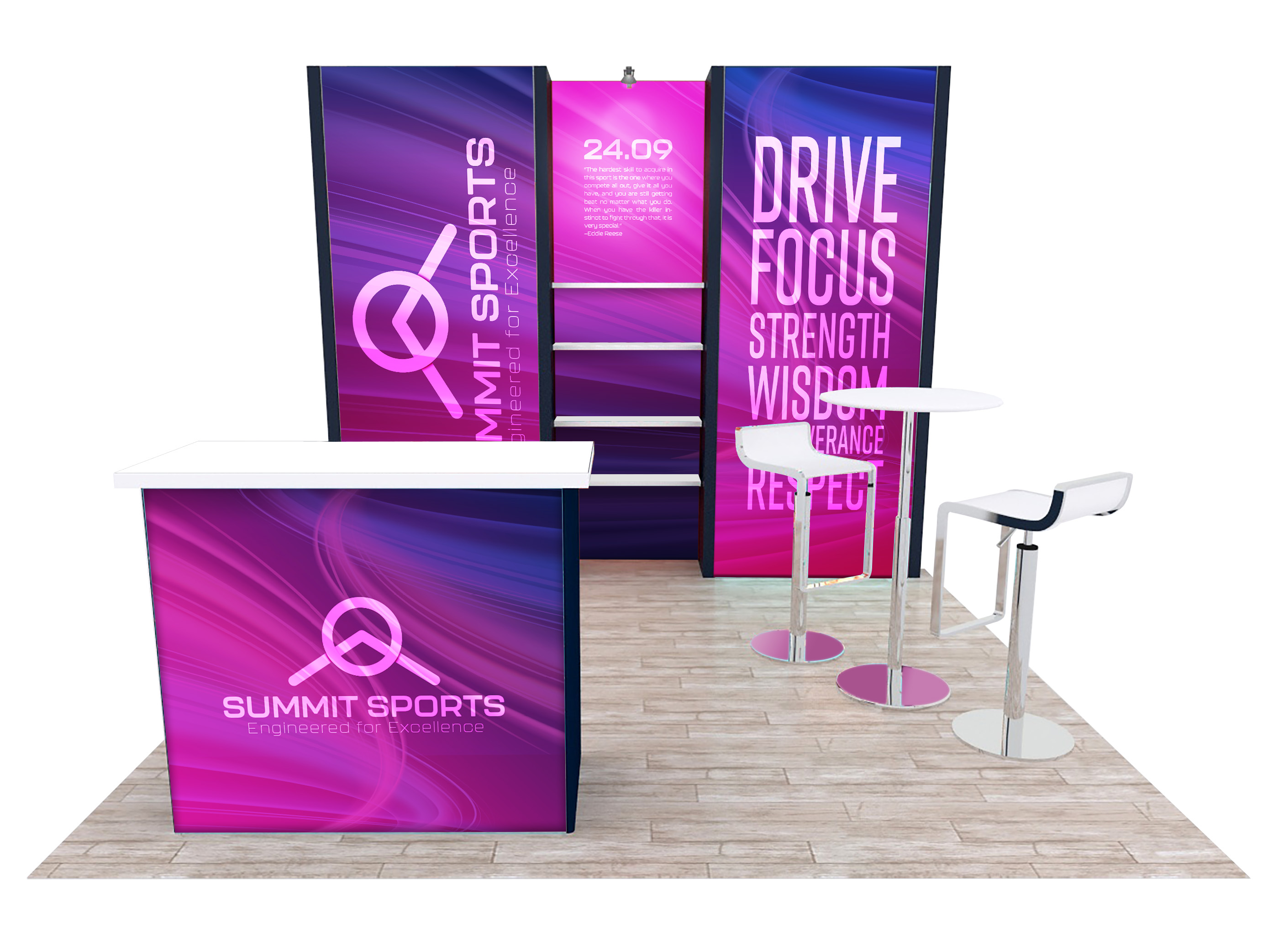
Uses backwall clarity, traffic discipline, storage, lighting, and quick assembly to make a narrow footprint work harder.

Explore
Island Exhibit Booths for Birmingham trade show planning

Booth Types

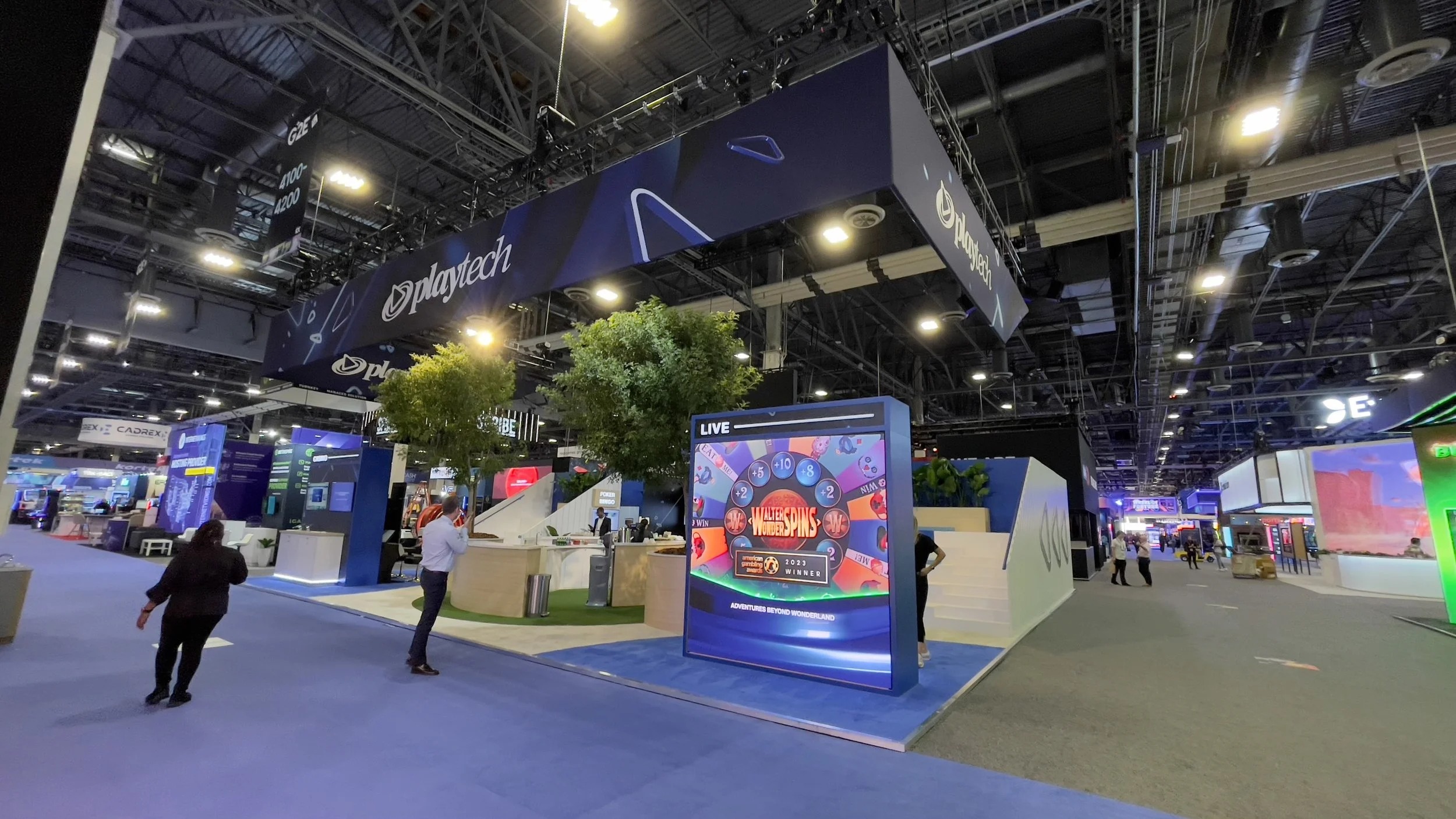
Island Exhibit Booths

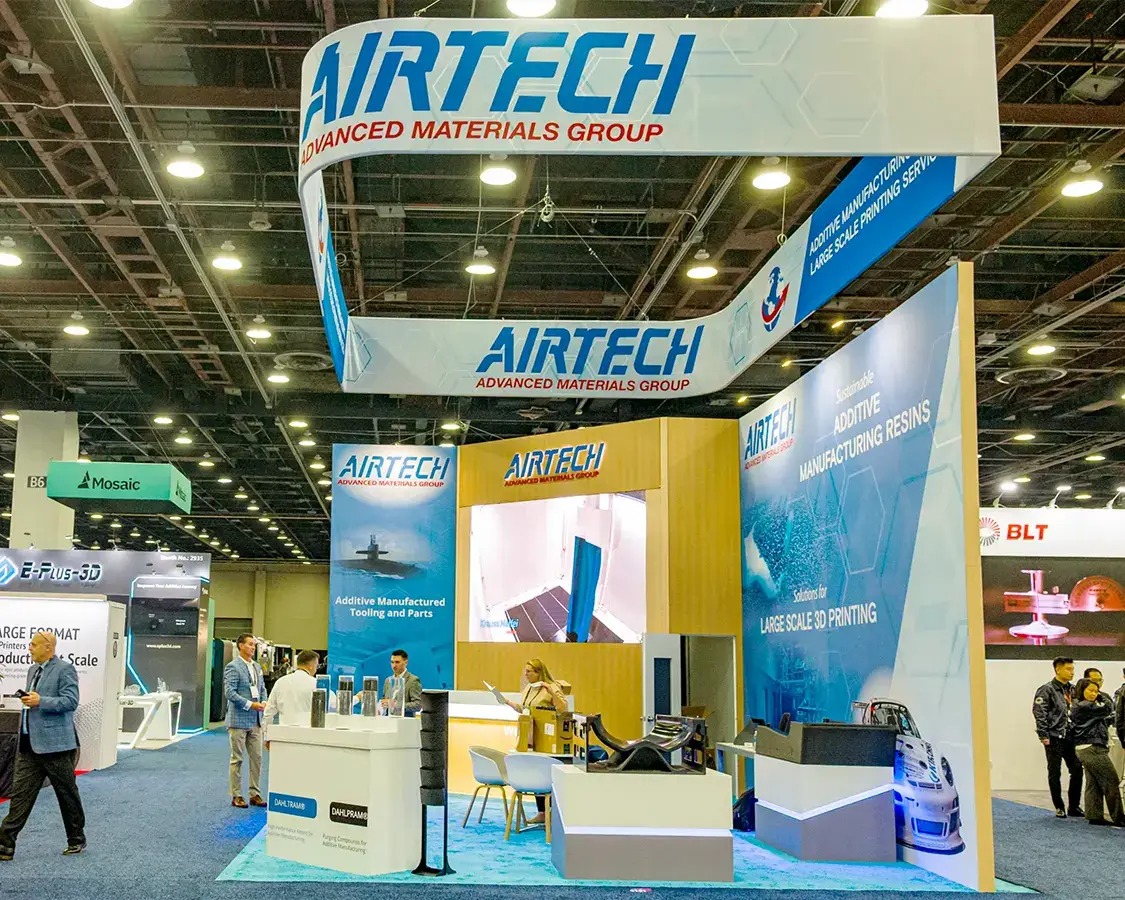
Plans open-sided layouts around sightlines, hanging signs, meeting zones, demo placement, and staff movement from every aisle.

Explore
Modular Trade Show Booths for Birmingham trade show planning

Booth Types

Modular Trade Show Booths

Keeps structure flexible with reusable components, refreshed graphics, repeatable setup notes, and footprints that can resize between shows.

Explore
Portable Trade Show Displays for Birmingham trade show planning

Booth Types

Portable Trade Show Displays

Prioritizes light cases, fast setup, durable graphics, simple lighting, and booth pieces a small team can manage.

Explore
Custom Exhibit Booths for Birmingham trade show planning

Booth Types

Custom Exhibit Booths

Builds a tailored environment around brand architecture, material choices, prefit checks, crating, and show-floor impact.

Explore
Double Deck Exhibits for Birmingham trade show planning

Booth Types

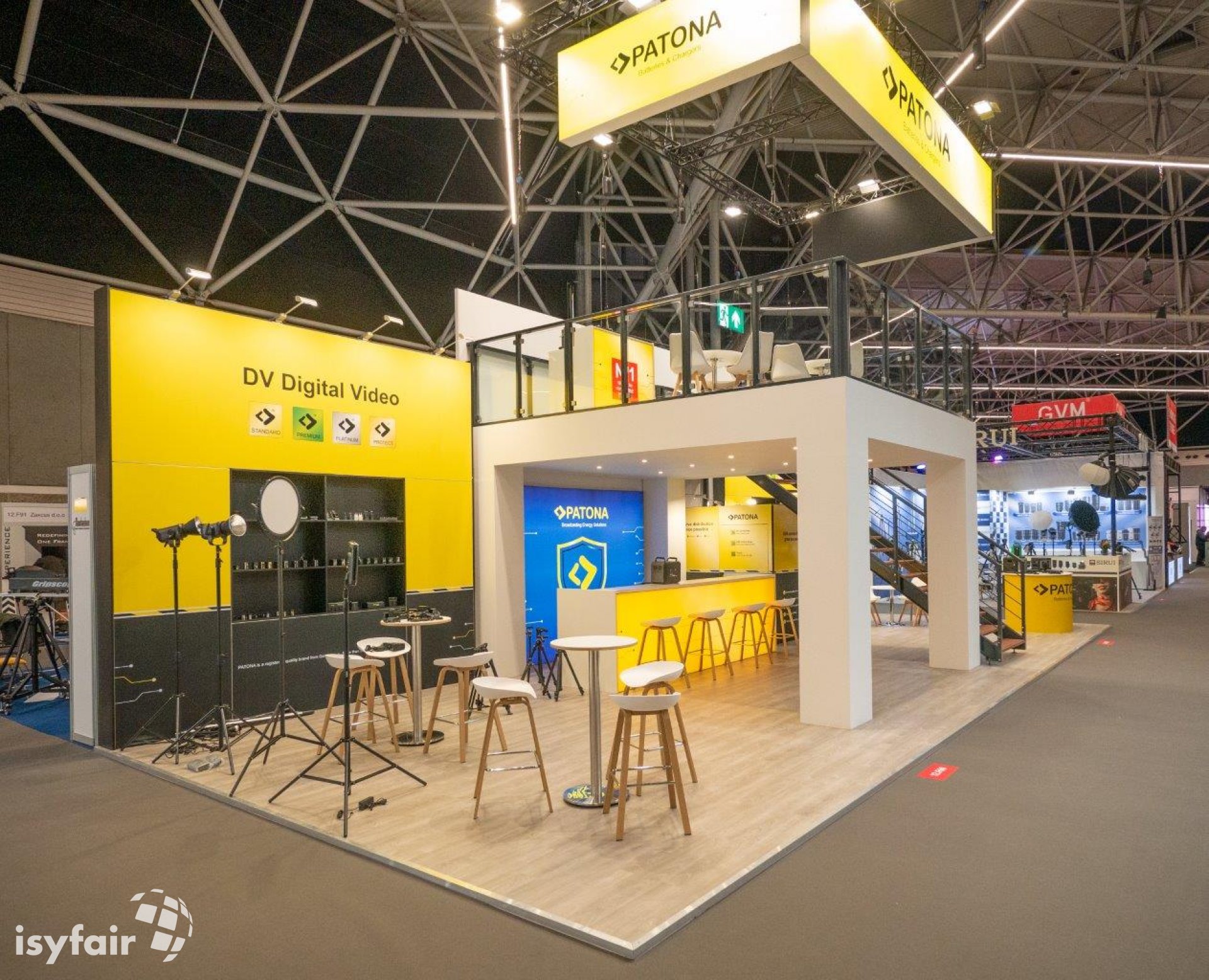
Double Deck Exhibits

Requires early engineering, approvals, stair planning, load management, rigging coordination, and extra install time.

Explore
Rental Exhibit Booths for Birmingham trade show planning

Booth Types

Rental Exhibit Booths

Matches available inventory to brand needs, budget, timing, graphics refreshes, and a clean return path after the show.

Explore
Conference Booth Displays for Birmingham trade show planning

Booth Types

Conference Booth Displays

Fits meeting-driven events with compact graphics, tabletop or small-footprint builds, simple logistics, and quick room changes.

Explore

Booth Types

10x10 Trade Show Booths

Use this 10x10 trade show booths route when the brief needs a separate read on venue access, schedule pressure, support ownership, and Birmingham field conditions.

Explore

Booth Types

10x20 Trade Show Booths

The 10x20 trade show booths guide frames buyer intent, live-floor constraints, support timing, and the next operating decision the event team has to make.

Explore

Booth Types

20x20 Trade Show Booths

This 20x20 trade show booths path narrows the choice to room behavior, setup sequence, approvals, and the floor details that make the project easier to scope.

Explore

Booth Types

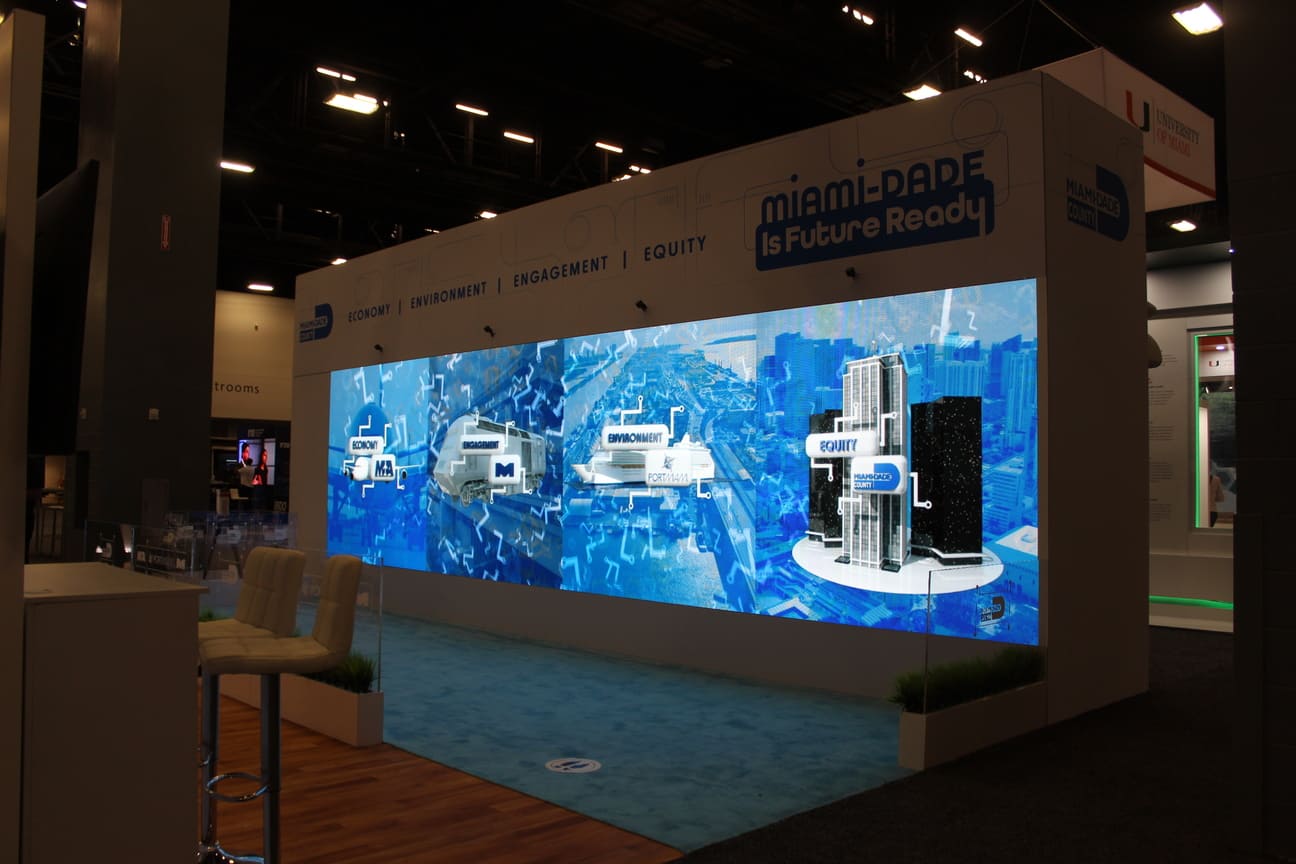
Backlit & LED Displays

The backlit & led displays guide frames buyer intent, live-floor constraints, support timing, and the next operating decision the event team has to make.

Explore

Booth Types

Banner Stands & Retractable Displays

This banner stands & retractable displays path narrows the choice to room behavior, setup sequence, approvals, and the floor details that make the project easier to scope.

Explore

Booth Types

Table Top Displays & Throws

This table top displays & throws path narrows the choice to room behavior, setup sequence, approvals, and the floor details that make the project easier to scope.

Explore

Booth Types

Backwall & Backdrop Displays

This backwall & backdrop displays path narrows the choice to room behavior, setup sequence, approvals, and the floor details that make the project easier to scope.

Explore

Booth Types planning starts with the event conditions, not with a broad label. The venue, the date, the booth behavior, and the support requirements all need to be visible early if the project is going to move cleanly.

That matters in Birmingham, AL because convention halls, hotel properties, stadium spaces, civic venues, and regional event sites do not create the same labor path, freight timing, or day-of pressure.

A strong booth type decision should answer practical questions first: how the room behaves, what has to be approved, where graphics and AV become critical, and what kind of field leadership the event will need.

The best event plans also look past opening day. Storage, reuse, closeout, and the next date on the calendar all influence the choice today, especially for repeat programs that need to travel between room types.

The most reliable decisions in this area are tied to venue approvals, freight discipline, labor planning, installation and dismantle, graphics production, AV coordination, staffing, and stakeholder alignment.

Used well, a sharper booth type decision reduces rework, clarifies ownership, and gives the client a more defensible path from kickoff through strike.
What drives the Birmingham calendar

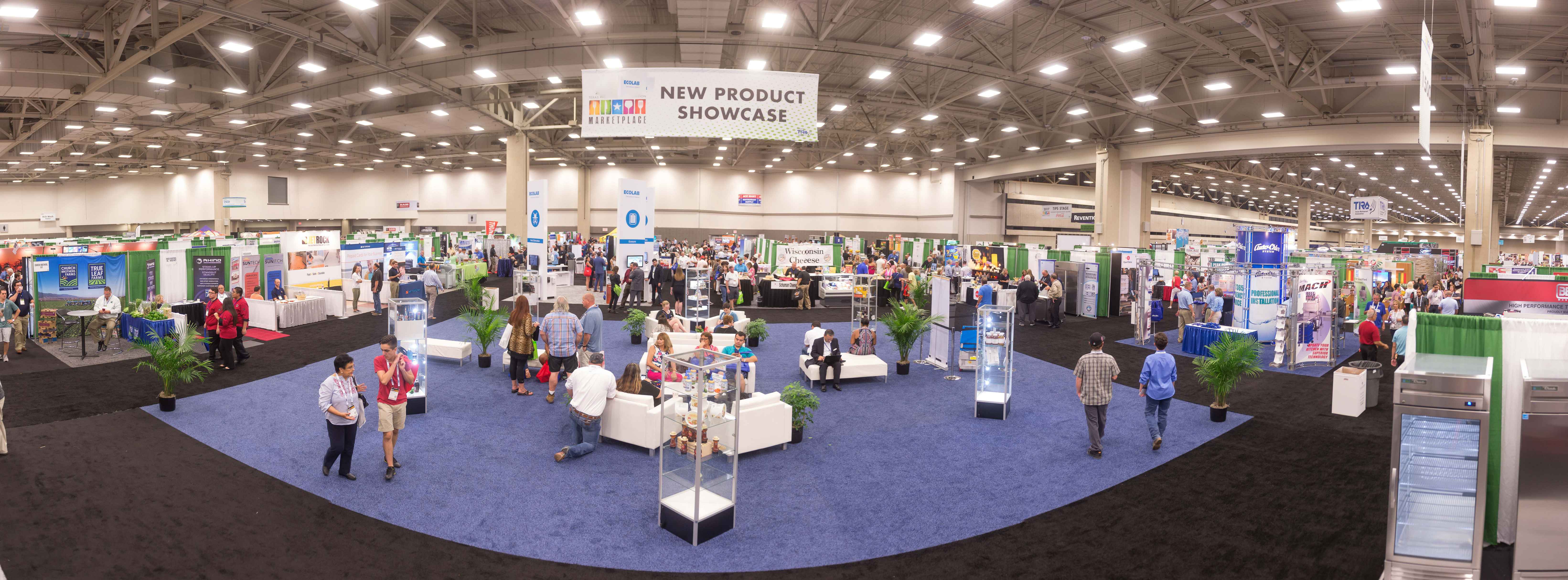
Birmingham runs one of the busiest trade show calendars in the region. Convention weeks stack close together, hotel blocks compete for the same nights, and the venues themselves shape what is possible on the floor.

Exhibitors pulling back on budget in Birmingham still have to show up in the same booth neighborhoods as their competitors. Scope gets tighter; standards don't. The booths that land well are the ones built on a specific plan, not a generic template.

Kami-Con 2025 was expected to welcome more than 10,000 attendees and use a vendor hall spanning over 30,000 square feet at the BJCC — a useful reference point when sizing a project.

The buildings that host Birmingham events

Different Birmingham venues mean different floor plans, different labor rules, and different freight realities.

The right building depends on the show: a consumer expo wants open aisles and broad traffic flow; a corporate conference wants controlled breakout space; a brand activation wants a venue that can carry scenic and production without fighting the architecture.

The Finley Center at Hoover Met Complex. The Finley Center site describes a 155,000-square-foot sports complex and event venue with 83,000 square feet of continuous space.

The venue includes three meeting rooms plus an overlook room for smaller gatherings.

Pelham Civic Complex & Ice Arena is one of the anchors. The complex offers more than 30,000 square feet of flexible meeting and event space.

Regions Field: outdoor areas for groups up to 1,500 and 23 luxury suites with a 400-seat club section.

How Birmingham floor operations work

Labor in Birmingham runs venue-by-venue, not citywide. Each building publishes its own rules for who handles what on the floor.

On most Birmingham shows, the labor plan takes one call with the venue's exhibitor services desk, one review of the current manual, and one email to the general contractor. Skipping any of those three is usually where problems start.

BJCC outdoor events / City Walk adjacency — the BJCC will arrange crowd-management and event-staffing services for police, security managers, door guards, and ticket takers, or require approval of an alternate staffing plan.

Practical planning rules for Booth Types in Birmingham: Labor requirements vary by venue, show manual, event type, and house-service rules. On the BJCC campus, venue-approved partners and current event instructions shape staffing, utility, AV, and production workflows.

Planner questions

Booth Types planning questions

Do you work at CityWalk BHAM?

Yes. The Greater Birmingham CVB describes CityWalk BHAM as a state-of-the-art event space and recreational park stretching ten blocks beneath I-59/20. Projects at that building are planned against its specific floor rules.

How does labor work in Birmingham?

It runs venue by venue. Birmingham-Jefferson Convention Complex: Edlen is the exclusive contractor for utility services including electrical and plumbing, and it instructs organizers to submit requirements in advance. Other Birmingham venues have their own published rules, and the plan matches the specific building.

How much lead time is ideal?

Custom builds run best with 16 to 20 weeks of lead time. Rentals take 8 to 12 weeks. Work inside 4 weeks is possible but raises costs and narrows the options.

What information kicks off a project?

The show, the venue, the booth number, the dates, and a target budget range. From those, an initial scope and a realistic cost come back within a few days.

Who runs the booth on-site?

One named show-site lead runs the install, the show hours, and the strike. That person carries the floor plan and the punch list from crates to doors and reports up once a day.

Can the booth travel to the next city on our calendar?

Yes — builds are designed for modular reuse unless single-use scenic is specifically required. Same structure, swappable graphics, standard crates. Birmingham programs that roll to another city on the same calendar get handled end to end.

What happens if something breaks during show hours?

The on-site lead handles it. Minor repairs happen in place; anything larger gets sourced from the local shop or rerouted through the venue's service desk.

Need a specific guide?

Talk through the Booth Types scope

Start with the venue, the date, and the support mix so the next conversation can move directly into the event conditions that matter most.

Start the brief