The 10x20 is the step up from a 10x10 for Birmingham, AL exhibitors who have outgrown a single booth but are not ready for a four-sided island.
Roughly 200 square feet of inline space lets you separate the jobs the booth is doing: a draw at the aisle, a demo in the middle, and a quieter corner to actually close.
That separation is the reason to buy the size. A 10x20 used as one long wall is just a wide 10x10. A 10x20 used as zones is a different machine.
Connected-hotel exhibit floors like the Sheraton Birmingham, which lists over 385,000 square feet of meeting space, and south-metro programs at the Hyatt Regency Wynfrey in Hoover are where these footprints commonly land.
At this scale, AV and a small hanging or backlit element start to make sense, which means power planning and the venue service order move earlier in the schedule.
A 10x20 still travels well for a regional program, but it usually needs two crates or a small truck and a short crew call, so reuse planning matters more than it does at 10x10.
Execution priorities for 10x20 Trade Show Booths
- Split the 200 square feet into draw, demo, and meeting zones on purpose.
- Add AV and lighting only where a zone needs it, and order power early.
- Build a semi-private corner so closing conversations leave the aisle.
- Plan two-crate or small-truck freight and a short crew call for install.
- Decide on rent versus own based on how many dates the kit will run.
What the extra ten feet buys
Going from 100 to roughly 200 square feet does not simply make the booth bigger. It lets you stop asking one wall to do three jobs at once.
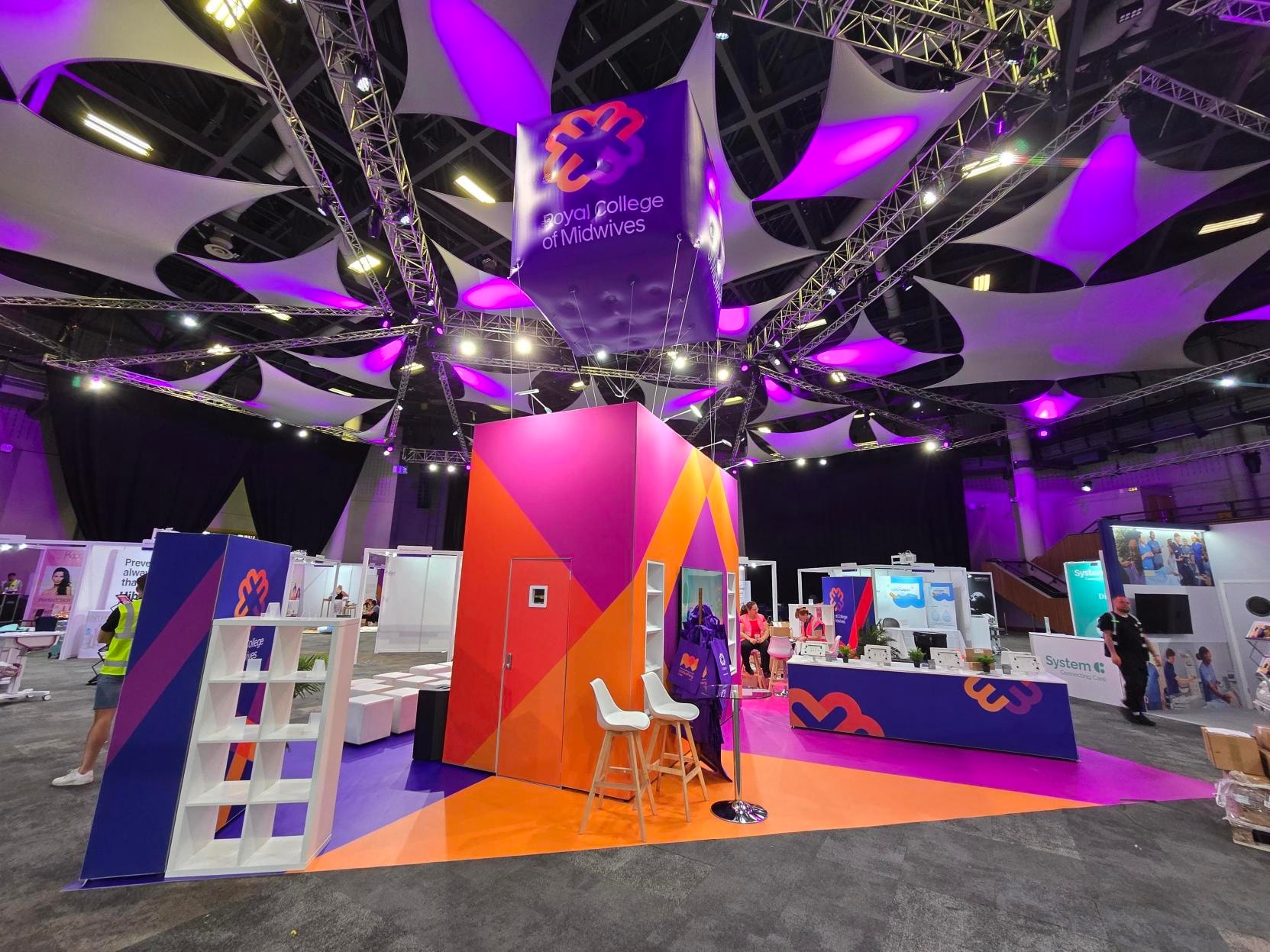
A typical Birmingham 10x20 carries a strong headline graphic at the aisle, a working demo or product wall in the center, and a counter or small seating corner where a rep can run a real conversation away from foot traffic.
Storage also stops being an afterthought. A 10x20 can hide a lockable closet or counter base, which keeps cases and giveaways off the floor and out of sight.
Zoning the booth
The most reliable 10x20 layout reads in three beats from the aisle: attract, engage, convert. Each beat gets its own piece of the footprint.
Attract is the large-format graphic or backlit panel that stops a badge from twenty feet out. Engage is the demo, the screen, or the product. Convert is the counter or seat where a follow-up gets scheduled.
When all three live in the same plan, staff naturally move visitors through the booth instead of clustering at one spot and blocking the aisle.
Where 10x20s show up in Birmingham
The Sheraton Birmingham and The Westin Birmingham, both walkable to the BJCC, run mid-size association and corporate shows where a 10x20 anchors a row without needing island rigging.
The Hyatt Regency Wynfrey in Hoover, attached to the Riverchase Galleria with over 63,000 square feet of meeting space, is the south-metro option for exhibitors who want a 10x20 closer to suburban room blocks.
On the main BJCC exhibit floor, a 10x20 sits comfortably in an inline row and can still carry a backlit or AV element thanks to the campus utility infrastructure.
AV, power, and the service order
At 200 square feet, a monitor or a small video wall is usually part of the plan, which makes the power order a real line item rather than an afterthought.
On the BJCC campus, electrical and plumbing run through Edlen as the exclusive contractor, with requirements submitted ahead of the show. A 10x20 with AV should lock that order well before install week.
If the booth includes a hanging sign or rigging, that introduces an approval path and, in arena and theatre environments on the campus, labor provided by IATSE Local 78 for rigging and production. The plan names that path up front.
Freight and crew for a 10x20
A 10x20 typically breaks down into two or more crates or a small truck load, with a short crew call to set the larger backwall and the demo elements.
Birmingham's interstate position on I-20/59, I-65, and I-459 makes regional drive freight the practical default, so a 10x20 kept in a nearby warehouse can serve several metro dates a year.
For repeating programs, the booth is designed for modular reuse: same structure, swappable graphics, standard crates, with a documented pack-out so the next install is faster than the first.
Lead capture and conversion at this size
The whole reason to buy a meeting corner is to move closing conversations off the aisle. A 10x20 that skips that corner wastes its best advantage.
Badge scanning and follow-up routing should be designed into the demo and the counter, not bolted on, so the data path is as clean as the visual one.
Most Birmingham programs measure a 10x20 on meetings booked on the floor and qualified pipeline after the show, so the layout is judged on conversations, not square footage.
Cost drivers for a 10x20
The variables that move the number are custom versus rental, the AV and backlit scope, the graphics substrate, the venue labor and any rigging, and the number of supervised install days.
A purchased modular 10x20 pays off for exhibitors running multiple Birmingham-area dates a year. A rental fits a single high-stakes show where the look matters more than the asset.
Lead time scales with complexity. A modular rental runs comfortably in eight to twelve weeks; a custom 10x20 with integrated AV wants more runway than that.
10x20 mistakes worth avoiding
The first is building one twenty-foot wall and calling it a 10x20. Without zones, the size is wasted and the booth still feels like a flat backdrop.
The second is under-ordering power for the AV the booth actually needs, then paying floor rates or running without enough circuits on show morning.
The third is skipping the storage closet, which leaves cases and boxes stacked in view and makes a well-built booth look cluttered by hour two.
Why local delivery matters here
A 10x20 has more moving parts than a 10x10, so the value of a Birmingham-based shop goes up: design, fabrication, and install share one team and one playbook across the show week.
When a demo screen fails or a graphic panel needs reseating, the fix lives within driving distance instead of on another coast, which protects the show hours that actually matter.
For programs that repeat, the same crew that built the booth runs the install and knows the pack-out, so quality survives from one Birmingham date to the next.
Questions for 10x20 Trade Show Booths
How big is a 10x20 booth?
A 10x20 is a ten-foot by twenty-foot inline space, roughly 200 square feet. It is the common step up from a 10x10 for Birmingham exhibitors who need a demo zone and a meeting corner.
What can I do with a 10x20 that I can't with a 10x10?
Separate the jobs the booth is doing. A 10x20 supports a draw at the aisle, a demo in the middle, a semi-private meeting corner, and hidden storage, which a single 10x10 cannot fit.
Can a 10x20 have a video wall or backlit display?
Yes. At 200 square feet AV is common. On the BJCC campus power runs through Edlen with an advance order, so a 10x20 with a screen or light box needs that order locked before install week.
Does a 10x20 need rigging or hanging signs?
It can, but it does not have to. If you add a hanging sign, that brings an approval path and, in BJCC arena and theatre spaces, IATSE Local 78 labor for rigging. We name that path up front.
How does a 10x20 ship to a Birmingham venue?
Usually in two or more crates or a small truck with a short crew call. Birmingham's interstate access makes regional drive freight the practical default for a reusable metro kit.
Rent or buy a 10x20?
Buy a modular 10x20 if you run multiple Birmingham-area dates a year and want the asset. Rent for a single high-stakes show. We scope both against your calendar and budget.
How much lead time does a 10x20 need?
A modular rental runs comfortably in eight to twelve weeks. A custom 10x20 with integrated AV wants more runway. Tighter timelines are possible but narrow the options.
Related 10x20 Trade Show Booths notes

Beauty And Cosmetics Trade Show Services
Beauty And Cosmetics Trade Show Services support shaped around Birmingham buyer demand, compliance needs, and event execution.
Product Launch Environments
Product Launch Environments for Birmingham teams coordinating venue access, logistics, AV, and live show control.
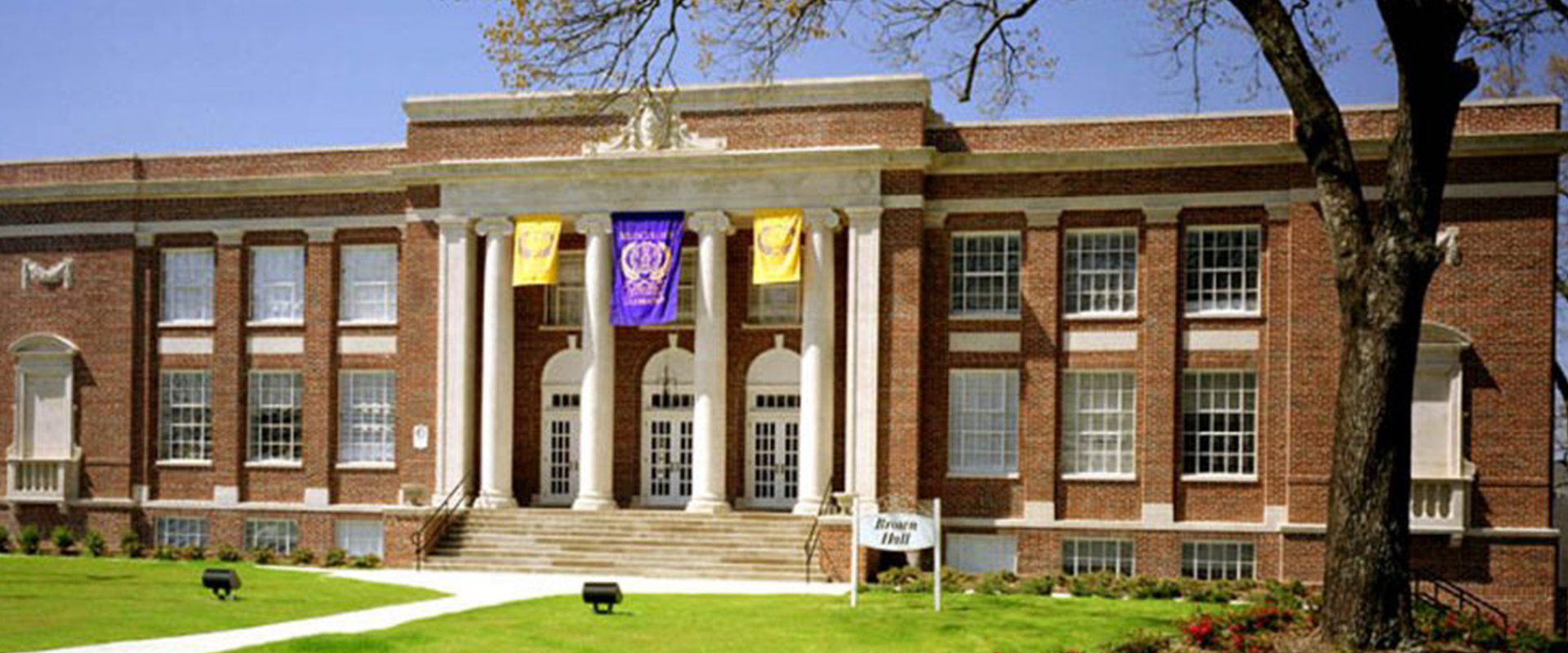
Fairfield, Alabama
Fairfield, Alabama in the Birmingham reach map with venue, movement, hotel, and metro context.