Backlit and LED displays are how exhibitors in Birmingham, AL get a booth to hold attention under bright convention lighting that flattens an ordinary printed graphic.
There are two families here. Backlit SEG light boxes push even light through a tensioned fabric face. LED video walls put motion and live content on the booth. They solve different problems and carry different power loads.
A backlit light box reads as premium and stays simple: one graphic, evenly lit, no content to manage. It is the lower-maintenance way to make a wall glow.
An LED wall is a content surface. It can run a loop, a live demo, or a feed, which suits technology and automotive exhibitors who need to show a product in motion.
Either way, the deciding constraint is electrical. On the BJCC campus, power runs through Edlen as the exclusive contractor, submitted in advance, and a lit display without the right circuits is a dark display.
Birmingham's tech and mobility demand makes these displays a regular ask: UAB anchors an $800 million research enterprise, and the region's automotive and advanced-manufacturing base brings exhibitors who want their booth to look like the future.
What matters first in Backlit & LED Displays
- Pick backlit SEG for even, low-maintenance glow; LED for motion and live content.
- Order power to the display load early through the venue's exclusive contractor.
- Plan heat, cabling, and a content source for any LED wall before install.
- Match brightness and resolution to viewing distance inside the booth.
- Name who owns the content and the failover during show hours.
Backlit versus LED
Backlit and LED both make a booth brighter, but they are not interchangeable. Choosing wrong means either over-buying complexity or under-buying impact.
A backlit SEG light box is a fabric graphic lit from behind. It is even, clean, and effectively maintenance-free during the show, which makes it ideal for a brand wall or a hero product image.
An LED wall is a grid of modules that displays video. It earns its cost when the message is motion: a demo loop, a data visualization, or a live feed that a static print could never carry.
Where these displays earn their keep
Backlit light boxes shine in Birmingham's connected-hotel and convention spaces, where ambient lighting is bright and flat. A lit wall separates a booth from the printed graphics around it.
LED walls suit technology, automotive, and mobility exhibitors, the verticals Birmingham's manufacturing and EV supplier base keeps bringing to the floor. Motion sells a product that a photo cannot.
Premium venues already lean on screens: the Protective Stadium Recruiting Room on the BJCC campus is equipped with three mounted 75-inch TVs, a reminder that lit, screen-forward presentation is the local norm for high-end presentation space.
Power is the whole game
On the BJCC campus, Edlen is the exclusive contractor for electrical and plumbing, and requirements are submitted ahead of the show. Backlit and LED displays both draw real current, so the order has to match the actual load.
LED walls pull more than light boxes and generate heat, which means circuit count, placement, and sometimes cooling all factor into the plan, not simply a single drop.
The reliable approach is unglamorous: calculate the display load, order the circuits early through the venue's contractor, and schedule install so the power is live before the wall powers up.
Content and failover for LED
An LED wall is only as good as what plays on it. The content, the playback source, and a failover plan are part of the build, not an afterthought handed to staff on show morning.
Resolution and pixel pitch get matched to viewing distance. A wall meant to read from across an aisle does not need the same density as one a visitor stands two feet from.
A named owner handles the content path and the what-if: if a player drops or a cable fails, there is a defined recovery instead of a blank wall during the busiest show hour.
Off-floor and activation uses
Backlit and LED elements are not simply for the exhibit hall. Sponsor zones, receptions, and brand activations across the Birmingham market lean on lit displays to carry a look after hours.
Iron City, a music and private-event venue in Southside, highlights in-house projection and AV support, the kind of room where an LED or backlit element folds into an existing technical setup.
CityWalk BHAM, the ten-block district beneath I-59/20 across from the BJCC, is built for outdoor activations where a bright, lit display competes with daylight and ambient signage.
Integrating displays into the booth
A backlit light box usually mounts into an SEG frame as part of the backwall, so it reads as one clean surface rather than a screen bolted onto a wall.
An LED wall needs structure behind it to carry weight and hide cabling, plus access for service. The booth design accounts for that depth and that rigging from the start.
When a wall hangs overhead or carries significant weight on the BJCC campus, the rigging and labor path through IATSE Local 78 applies, so the display and the structure are planned together.
Cost drivers for lit displays
Backlit cost is driven mostly by size, the SEG frame, and the graphic. It is the more predictable of the two and the easier to reuse with a swapped fabric face.
LED cost is driven by panel area, pixel pitch, processing, the content, and the venue power and labor to run it. It is a larger and more technical line item.
Rental makes sense for a single show or a one-time launch. Ownership of a backlit system pays off across a multi-show Birmingham program; LED is more often rented per event unless the volume is high.
Mistakes with backlit and LED
The most common error is under-ordering power, then watching a bright wall flicker or stay dark because the circuits did not match the load.
The second is buying an LED wall with no content plan, so an expensive surface runs a single static image it never needed motion to display.
The third is ignoring viewing distance, putting fine-pitch LED where no one stands close enough to see it, or a low-res panel where visitors are right on top of it.
Why a local team runs lit displays better
Lit displays fail in ways printed walls do not: a driver, a cable, a player, a circuit. A Birmingham-based team sources replacements within driving distance instead of across the country.
Design, build, and AV sit on one local crew, so the power order, the structure, and the content are planned as one system rather than three handoffs.
When a display needs attention during show hours, the same crew that installed it is on the floor or nearby, which is the practical difference between a quick fix and a dark wall.
Questions about Backlit & LED Displays
What is the difference between backlit and LED displays?
A backlit SEG light box lights a fabric graphic evenly from behind for a clean, maintenance-free glow. An LED wall is a grid of modules that plays video. Backlit suits a brand wall; LED suits motion and live content.
Do backlit and LED displays need extra power in Birmingham?
Yes, both draw real current. On the BJCC campus electrical runs through Edlen as the exclusive contractor with an advance order, and LED walls in particular need circuit count and placement matched to the load.
Which is better for a tech or automotive booth?
Usually LED, because motion sells a product a photo cannot. Birmingham's manufacturing and EV supplier base brings exactly these exhibitors, and an LED wall lets them show a product working on the floor.
Who manages the LED content during the show?
A named owner handles the content, the playback source, and a failover plan, so a dropped player or failed cable has a defined recovery instead of a blank wall during a busy show hour.
Can I use backlit or LED at an off-site activation?
Yes. Lit displays work in sponsor zones and receptions too. Venues like Iron City offer in-house projection and AV, and CityWalk BHAM is built for outdoor activations where a bright display competes with daylight.
Should I rent or buy a backlit or LED display?
Rent LED per event unless your volume is high. A backlit SEG system is worth owning across a multi-show Birmingham program, since the frame reuses with a swapped fabric face.
Does an LED wall affect booth structure or rigging?
Yes. It needs structure to carry weight and hide cabling, plus service access. If a wall hangs overhead on the BJCC campus, the rigging and IATSE Local 78 labor path applies, so display and structure are planned together.
Backlit & LED Displays follow-up notes
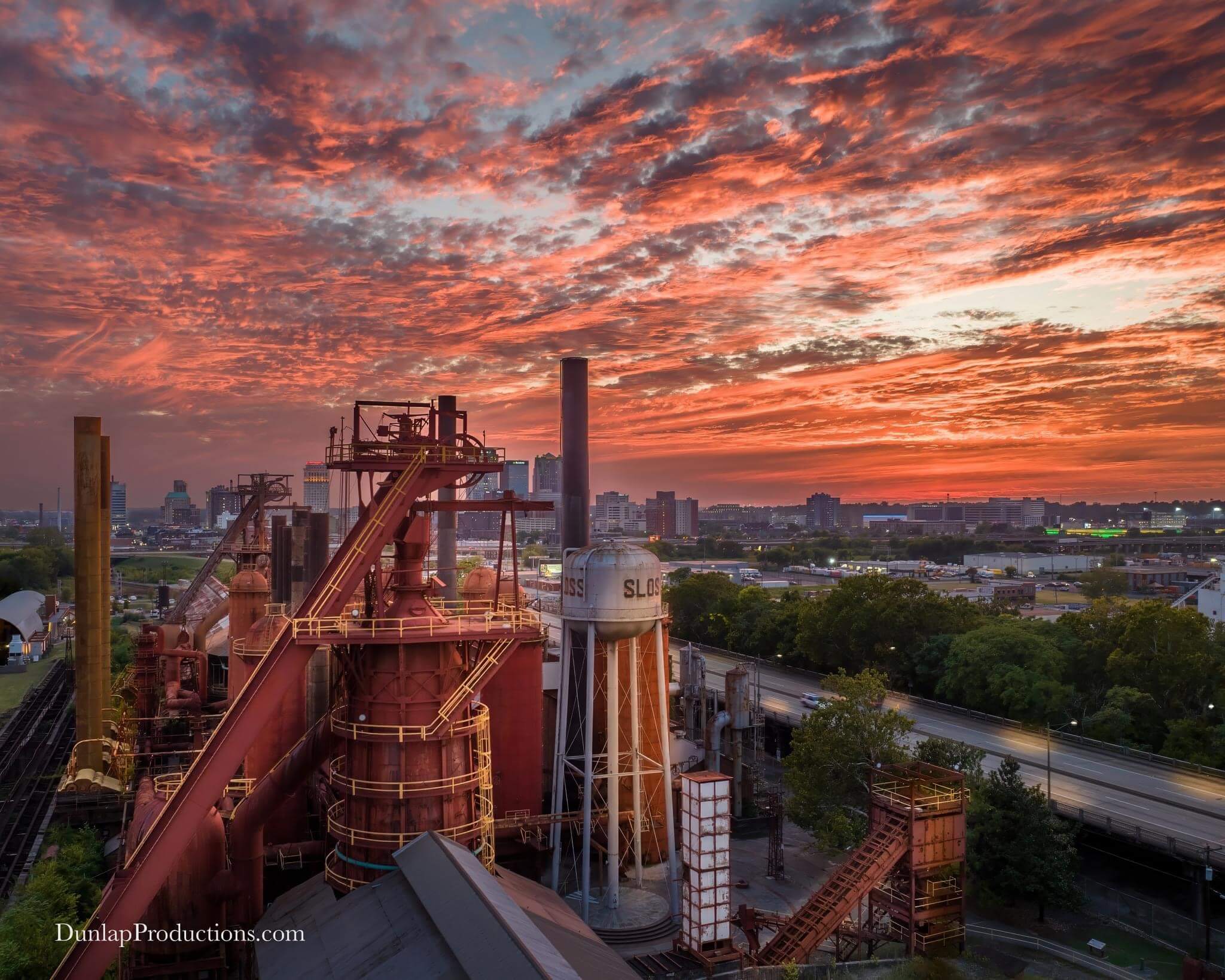
Sloss Furnaces National Historic Landmark
Sloss Furnaces National Historic Landmark planning guide for exhibitors, conference teams, and sponsor programs working in Birmingham.
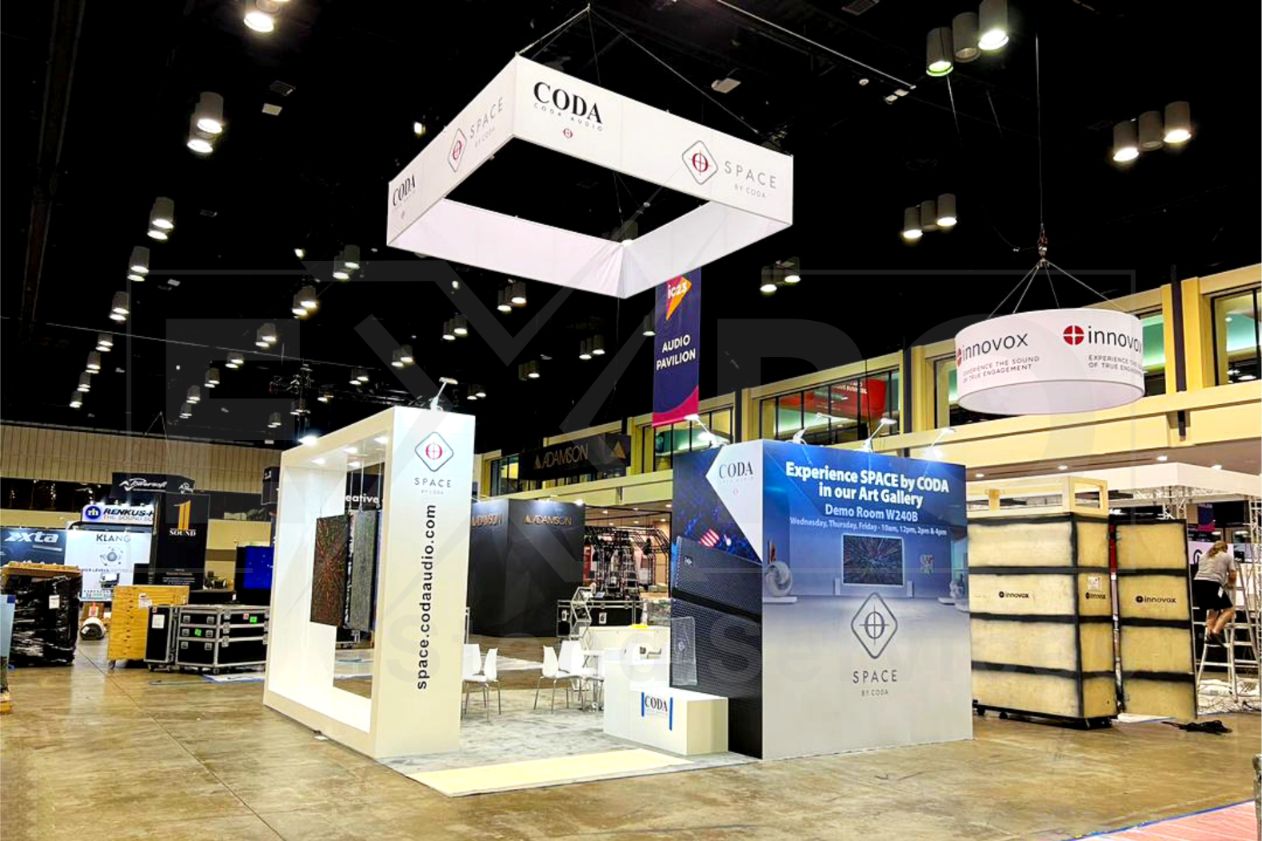
Trade Show Services
Trade Show Services delivery framing built around Birmingham calendars, attendee flow, and venue coordination.
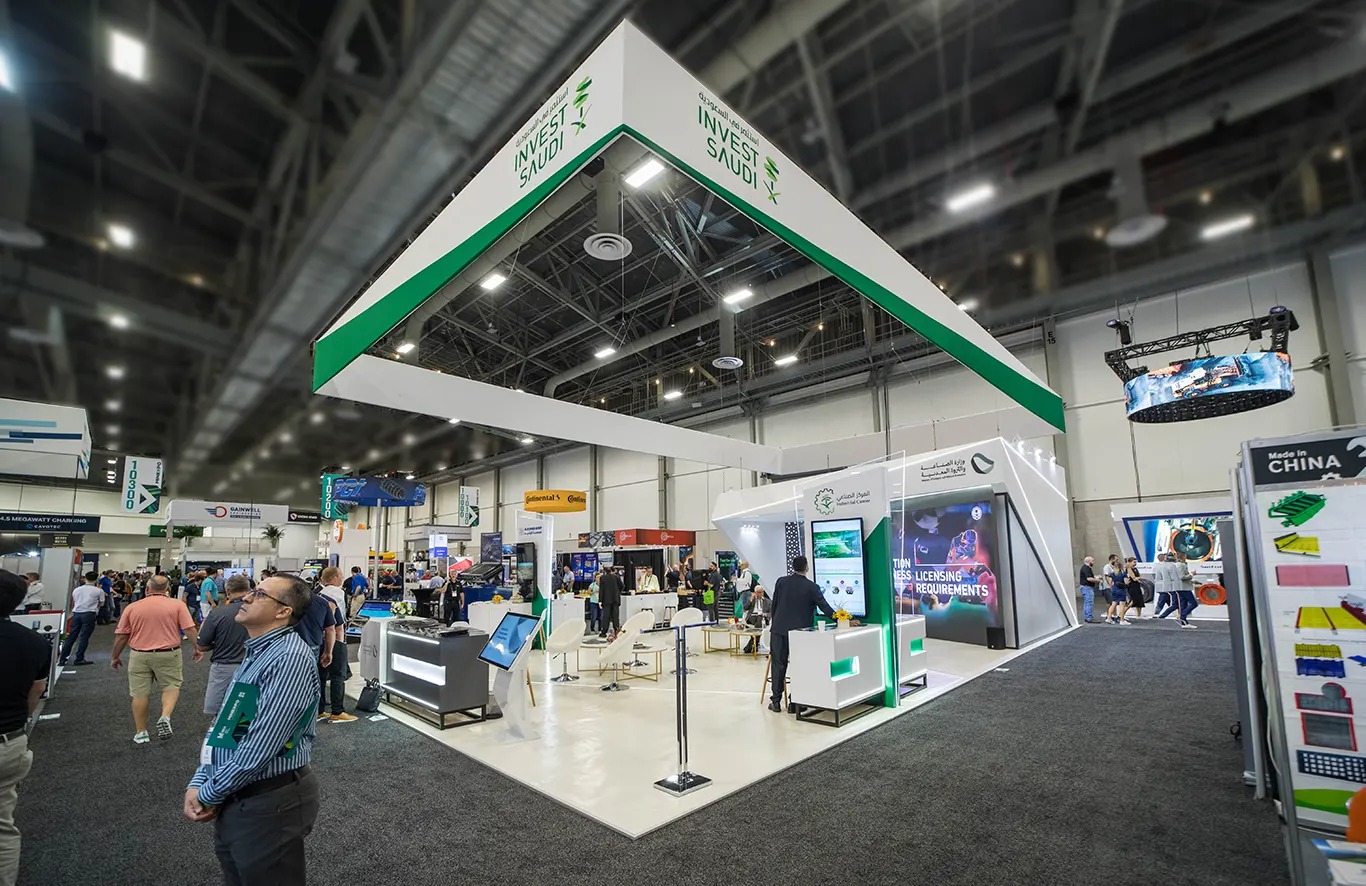
Aerospace And Defense Trade Show Services
Aerospace And Defense Trade Show Services support shaped around Birmingham buyer demand, compliance needs, and event execution.