Backwall and backdrop displays are the brand surface of a Birmingham, AL exhibit or event, the large graphic everything else is arranged in front of.
The most common form is the SEG fabric wall: a tensioned, dye-sublimated graphic in an aluminum frame that reads smooth and swaps faces between shows. It is the modern default backwall.
A pop-up backwall trades the frame for a collapsible accordion structure that sets up fast and travels light, which suits exhibitors who value speed over a perfectly flat face.
A step-and-repeat backdrop is the activation version: a wall of repeating logos built for photos, press, and social, where the whole point is that the brand appears in every shot.
The right backdrop depends on the job. A booth wants a clean SEG wall, a portable program wants a pop-up, and a sponsor activation wants a step-and-repeat that holds up on camera.
Birmingham has the venues to use all three: CityWalk BHAM stretches ten blocks beneath I-59/20 for outdoor activations, and the new Coca-Cola Amphitheater accommodates 50 to 9,300 guests for branded private events.
Execution priorities for Backwall & Backdrop Displays
- Choose an SEG fabric wall for a smooth, swappable booth backdrop.
- Choose a pop-up when fast setup and light travel matter most.
- Build a step-and-repeat sized and lit for photos and press.
- Plan lighting so the backdrop reads under venue and camera conditions.
- Design the graphic to survive face swaps across multiple Birmingham dates.
Three kinds of backdrop
Backwall is a broad term, and the three common builds solve different problems. Picking the right one keeps a booth or stage from looking like it borrowed the wrong wall.
An SEG fabric wall is a tensioned graphic in a frame: smooth, modern, and reusable with a swapped fabric face. It is the standard for a polished booth backwall.
A pop-up is a collapsible structure that sets up in minutes and travels in a case. A step-and-repeat is a logo-tiled backdrop made specifically for photos and media.
The SEG fabric wall
SEG, or silicone-edge graphics, push a fabric print into the channel of an aluminum frame so the face stretches flat and frameless. The result reads smooth from a few feet away.
The frame is the durable asset; the graphic is the consumable. A swapped fabric face updates the message for the next show without rebuilding the structure, which makes SEG the economical choice across a program.
On a larger booth, the SEG wall is also where a backlit panel often lives, so the backdrop and any lighting are designed as one surface rather than separate pieces.
Pop-up backwalls
A pop-up backwall uses a collapsible accordion frame that expands to full size and magnetically holds its graphic panels. One person can set it up in minutes with no tools.
The trade-off is a slightly less flat face than SEG, but the upside is speed and portability: a pop-up travels in a wheeled case and serves a 10x10 or a quick presentation well.
For exhibitors who move between several Birmingham-area dates with a small crew, the pop-up is the backdrop that keeps install fast and freight minimal.
Step-and-repeat for activations
A step-and-repeat is built for the camera. A wall of evenly spaced, repeating logos ensures the brand appears in every photo taken in front of it, which is the entire purpose of the format.
Spacing, logo size, and finish all get tuned for how a phone or press camera will read the wall. A backdrop that looks fine to the eye can still photograph poorly if the logos are wrong-sized.
Lighting is part of the build. Even, glare-free light on a step-and-repeat is what separates a clean press shot from a washed-out or shadowed one.
Backdrops at Birmingham activations
CityWalk BHAM, the ten-block district beneath I-59/20 across from the BJCC, is built for outdoor activations where a step-and-repeat or a large backdrop anchors a brand moment in a public space.
The Coca-Cola Amphitheater, which opened in 2025 and accommodates 50 to 9,300 guests for corporate events and private concerts, is the kind of venue where a branded backdrop frames a stage or a hospitality zone.
The Legacy Arena Club on the BJCC campus offers 6,800 square feet of floor-level event space with a built-in bar, a natural setting for a sponsor backdrop at a reception or premium gathering.
Lighting the backdrop
A backdrop only works if it is lit for its setting. Convention halls are bright and flat, outdoor activations fight daylight, and photo walls need even, glare-free coverage.
For a booth SEG wall, arm or track lighting lifts the graphic off the ambient wash. For a step-and-repeat, balanced lighting across the whole face keeps the brand legible in every frame.
When lighting hangs overhead on the BJCC campus, the rigging and IATSE Local 78 labor path applies, so the backdrop and its lighting are planned together rather than as an add-on.
Graphics and reuse
The economics of backdrops favor reuse. An SEG frame and a pop-up structure both last across many shows, with the printed face as the part that changes.
Designing the graphic for swaps means planning art that can update a message, a campaign, or a sponsor while keeping the same hardware in service.
For a repeating Birmingham program, the backwall is crated and stored between dates with its graphics rotated, so each show inherits a ready, documented setup.
Backdrop mistakes to avoid
The first is sizing a step-and-repeat for the eye instead of the camera, so the logos photograph too small or too sparse to register in a shot.
The second is skipping lighting, which leaves an expensive backdrop reading dull under flat hall light or shadowed at an evening activation.
The third is ordering a single-use printed wall for a program that repeats, when an SEG frame with swappable faces would have cost less over the year.
Why a local shop runs backdrops better
Backdrops are large-format graphics, and a Birmingham shop prints, finishes, and frames them in town, which protects the timeline on a booth wall or an activation backdrop.
When a graphic needs a same-day reprint or a frame element goes missing at move-in, a local crew solves it within driving distance instead of waiting on a coast-to-coast shipment.
Design, print, and install share one playbook, so a backwall that hangs clean for a BJCC booth also travels to a CityWalk activation and back without the client team managing the handoff.
Questions for Backwall & Backdrop Displays
What is an SEG fabric backwall?
SEG, or silicone-edge graphics, push a fabric print into an aluminum frame so the face stretches flat and smooth. The frame is the durable asset and the graphic swaps between shows, making it the standard polished booth backdrop.
What is the difference between a pop-up and an SEG backwall?
A pop-up uses a collapsible accordion frame that one person sets up in minutes and travels in a case. An SEG wall reads flatter and more smooth. Pop-ups favor speed; SEG favors a polished, swappable finish.
What is a step-and-repeat backdrop?
A step-and-repeat is a wall of evenly spaced repeating logos built for photos and press, so the brand appears in every shot. Spacing, logo size, and lighting are tuned for how a camera reads it.
Where are backdrops used at Birmingham activations?
Outdoor brand moments at CityWalk BHAM beneath I-59/20, stage and hospitality backdrops at the Coca-Cola Amphitheater, and sponsor walls at the Legacy Arena Club on the BJCC campus.
Do backdrops need their own lighting?
Yes. A booth SEG wall needs arm or track lighting to lift the graphic off the ambient wash, and a step-and-repeat needs even, glare-free light so the brand reads in every photo. Overhead lighting on the BJCC campus brings rigging labor.
Can I reuse a backwall across multiple shows?
Yes. An SEG frame and a pop-up structure last across many shows, with the printed face as the part that changes. For a repeating Birmingham program the backwall is crated and stored with rotated graphics.
Should I rent or buy a backdrop?
Buy if the program repeats: an SEG frame with swappable faces costs less over a year than single-use printed walls. Rent for a one-time activation or launch where the asset is not worth keeping.
Related Backwall & Backdrop Displays notes
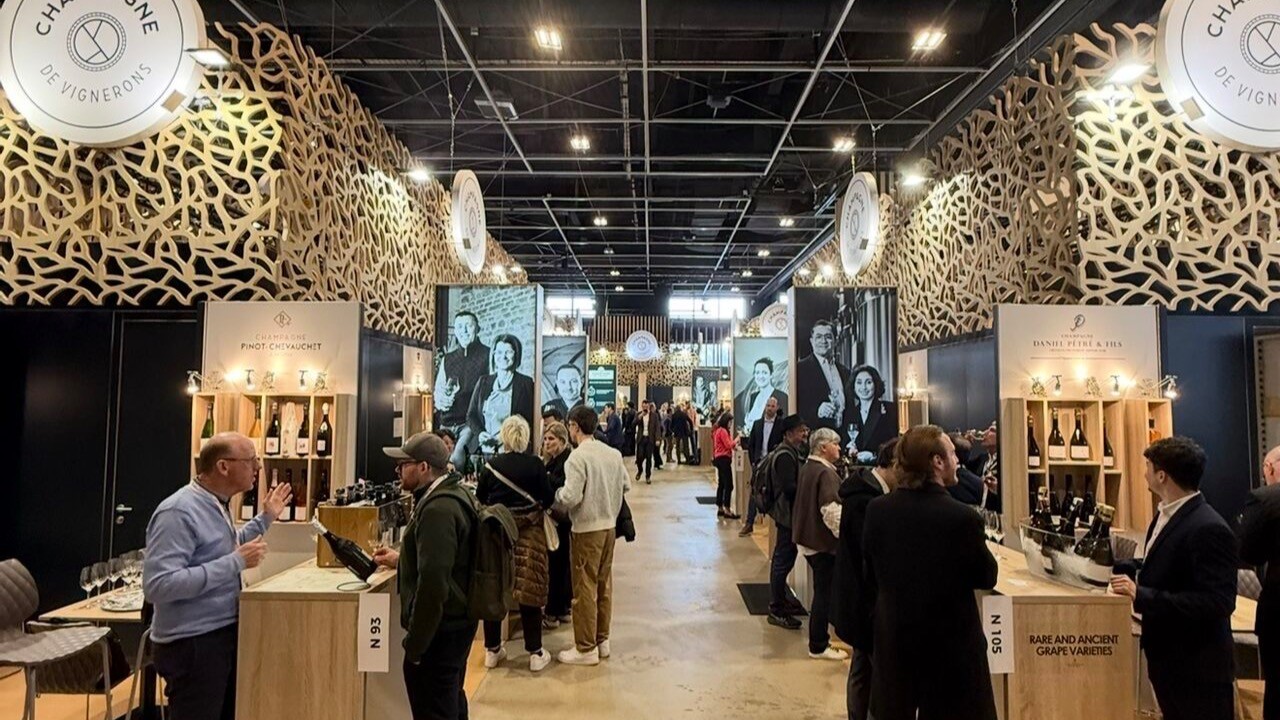
Retail And Ecommerce Event Services
Retail And Ecommerce Event Services support shaped around Birmingham buyer demand, compliance needs, and event execution.
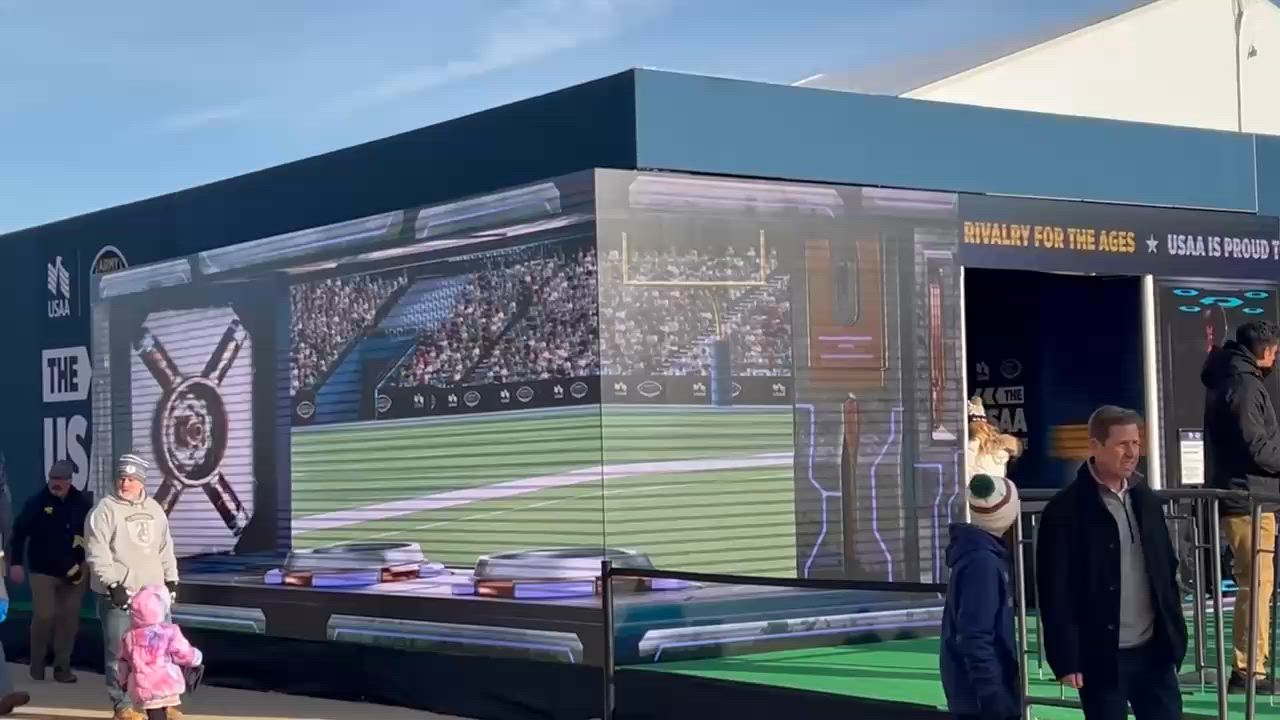
LED Video Wall Installation
LED Video Wall Installation for Birmingham teams coordinating venue access, logistics, AV, and live show control.
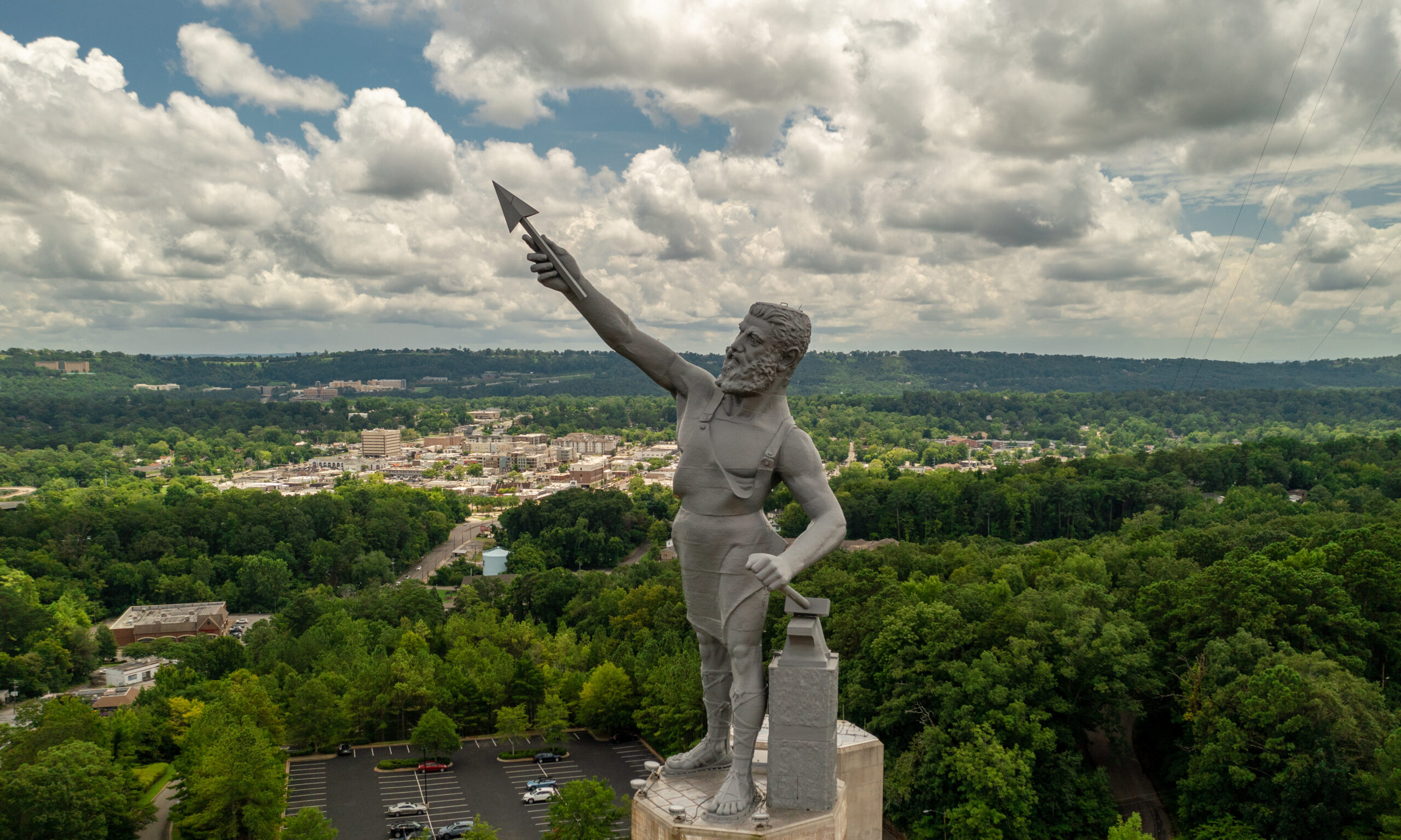
Homewood, Alabama
Homewood, Alabama in the Birmingham reach map with venue, movement, hotel, and metro context.