That is especially important for teams managing more than one stakeholder group at once. A sales-led priority may call for stronger demo visibility, while a brand-led priority may call for cleaner sightlines and a more controlled visual environment. Procurement may want tighter reuse, and field leadership may need a setup sequence that protects the labor window already available at the venue. The programs only works when those priorities are reconciled early enough that the booth, the service mix, and the day-of schedule are not arguing with each other once freight is already moving.
Not every room should be asked to carry the same amount of production. The best choice is the one that fits the venue and the event without creating avoidable friction.
Key priorities for Exhibit Rental Programs
- Treat install and strike as part of the strategy for Exhibit Rental Programs, not as a follow-up task.
- Keep the technical pieces and the physical build on the same clock.
- Define who owns show-site decisions once the room goes live.
The Birmingham event landscape
Birmingham is a working trade show market.
Trade show weeks in Birmingham compress decisions.
Birmingham ranked as a Top 10 Tier 1 metro for 2024 corporate facility investments per capita, with 41 qualifying projects and 1,657 jobs, which sets the practical ceiling for a booth program working the market.
Birmingham venues we work
A venue walk — either in person or via the published floor plan — is the step that reveals constraints no spec sheet shows. Column spacing, real ceiling height at the grid point, and dock access shape what's actually buildable.
Protective Stadium: protective Stadium is a 47,100-seat open-air stadium on the BJCC campus and home of the UAB Blazers football program.
Legacy Arena at BJCC. Legacy Arena is a 19,000-seat multipurpose arena on the BJCC campus that underwent a $125 million renovation.
Operational rules on the Birmingham floor
Birmingham floor operations follow the venue's own manual.
Practically, that means pulling the current exhibitor manual for every show and confirming a handful of items in writing: which tasks the venue's house crews cover, which tasks the show's general contractor covers, and what an exhibitor or their appointed contractor can handle without escalation.
BJCC outdoor events / City Walk adjacency — the BJCC will arrange crowd-management and event-staffing services for police, security managers, door guards, and ticket takers, or require approval of an alternate staffing plan.
Practical planning rules for the programs in Birmingham: on the BJCC campus, venue-approved partners and current event instructions shape staffing, utility, AV, and production workflows.
The main Birmingham event areas
The Hoover / South Metro area runs through Hoover, Ross Bridge, Pelham.
Parkside / Southside runs across Parkside, Southside, Medical District. Useful for ballpark hospitality, museum-backed events, nightlife venues, and medical-district meeting programs.
Scope on a exhibit rental programs project
The programs projects typically include design work, fabrication or rental sourcing, graphics production, show-service paperwork, freight, install, show-hours coverage, and strike.
a bad one has many, because they weren't.
What an engagement actually looks like
First step on any project is pinning down the show, the floor plan, the deadlines, and what success actually looks like. Everything downstream hinges on those answers.
Venue coordination comes next. That means pulling the current exhibitor manual, confirming dock and freight windows, submitting rigging approvals where needed, and placing utility orders against the building's published specs.
With venue details locked, production runs. Build, print, AV integration, rentals, and the on-site lead's playbook all come together in this phase.
The install phase has one owner on the floor. That person handles the labor calls, the graphics questions, the sequence adjustments, and the daily update.
During show hours, the booth is a live operating space. The on-site team handles repairs, sponsor requests, lead-capture issues, and any venue questions so the client's staff can focus on conversations.
After the show, strike runs against the venue's posted window, and a same-day debrief captures what held and what needs to change before the next date.
Pricing and scheduling
Pricing is driven by real line items: fabrication or rental, graphics, show services, labor, freight, and travel where it applies. Round numbers without that breakdown usually hide something.
The levers that matter: build path (custom, rental, or hybrid), footprint, venue service fees, graphics, freight, and supervision days. A 10x10 turnkey rental and a 30x50 custom island with a double deck are entirely different projects.
A clean schedule starts 4 to 5 months out for custom work and 2 to 3 months for rentals. Shorter lead times are workable but push rush premiums and limit material choices.
What a successful project looks like
A successful project in Birmingham looks like a booth that lands on time, passes venue inspection on the first walk, runs without incident through show hours, and ships out the same day it strikes.
Exhibitors who measure programs seriously track leads, floor-booked meetings, and post-show pipeline. The build and the install are upstream inputs to those KPIs.
Client teams sometimes want the booth to carry the pipeline on its own, but the best-performing programs treat the booth as a platform and put real operators on it. On-floor conversation discipline moves the KPIs more than any scenic decision.
What makes our work different
Trade Show Services of Birmingham operates out of Birmingham with a full in-house production shop. Custom fabrication, rental inventory, graphics production, and show-site labor live under one roof.
The difference from a national vendor shows up at the dock. A local team with an in-house shop can solve most install-day problems in the time it takes to drive back to the building with the right part.
Over a multi-show calendar, the compound value of a single team shows up in fewer surprises. The second install is faster than the first, the third is faster than the second, and by the fourth the project runs on memory and documentation rather than first-principles planning.
What buyers ask about Exhibit Rental Programs
Do you work at Protective Stadium Recruiting Room?
Yes. The Recruiting Room provides 6,442 square feet of meeting and entertainment space.
How does labor work in Birmingham?
It runs venue by venue. Birmingham-Jefferson Convention Complex: Edlen is the exclusive contractor for utility services including electrical and plumbing, and it instructs organizers to submit requirements in advance.
How much lead time is ideal?
Custom builds run best with 16 to 20 weeks of lead time. Rentals take 8 to 12 weeks.
What information kicks off a project?
The show, the venue, the booth number, the dates, and a target budget range. From those, an initial scope and a realistic cost come back within a few days.
Who runs the booth on-site?
One named show-site lead runs the install, the show hours, and the strike. That person carries the floor plan and the punch list from crates to doors and reports up once a day.
Can the booth travel to the next city on our calendar?
Same structure, swappable graphics, standard crates.
What happens if something breaks during show hours?
The on-site lead handles it.
Follow-up notes for Exhibit Rental Programs

Beauty And Cosmetics Trade Show Services
Beauty And Cosmetics Trade Show Services support shaped around Birmingham buyer demand, compliance needs, and event execution.
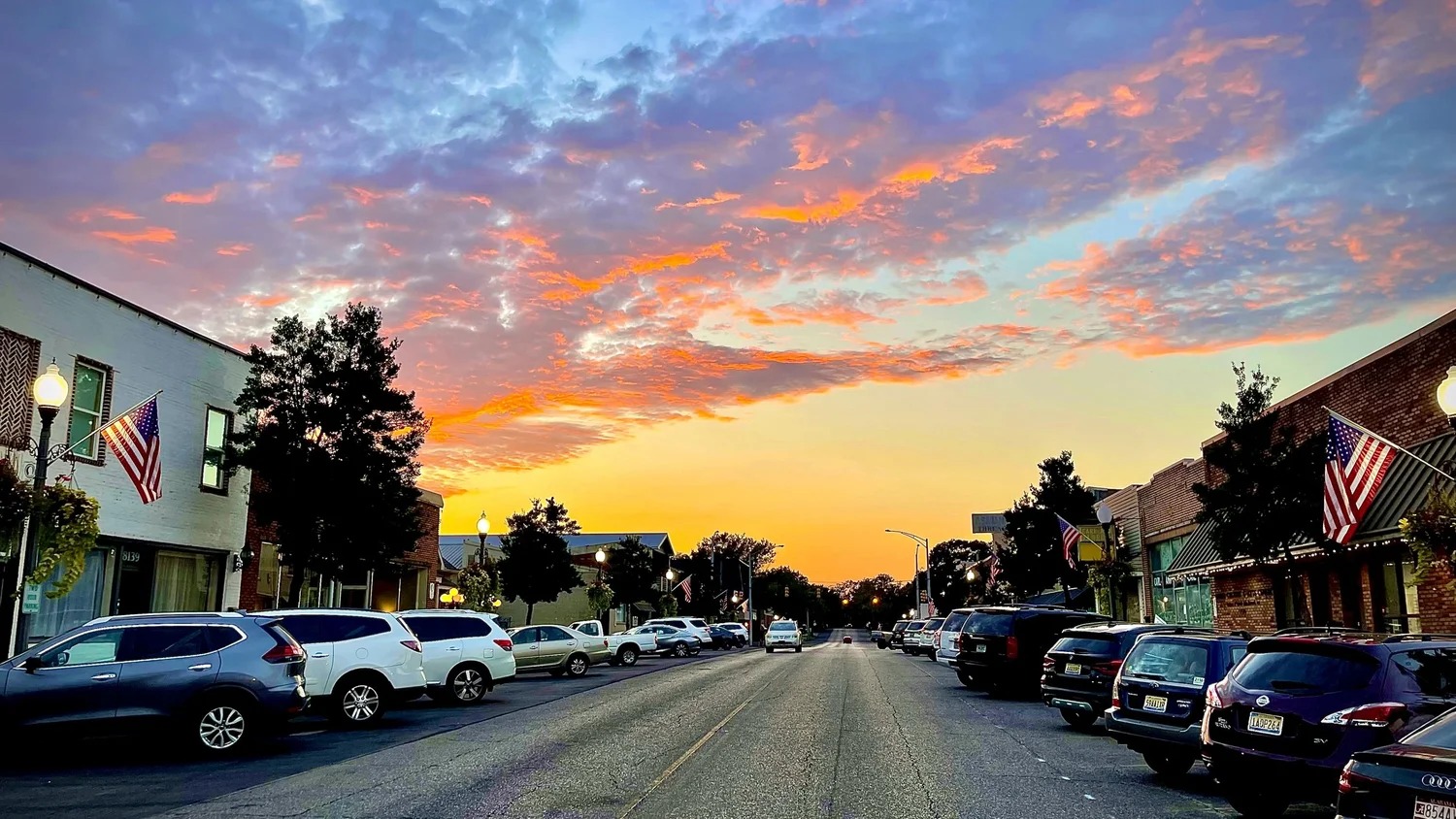
Leeds, Alabama
Leeds, Alabama in the Birmingham reach map with venue, movement, hotel, and metro context.
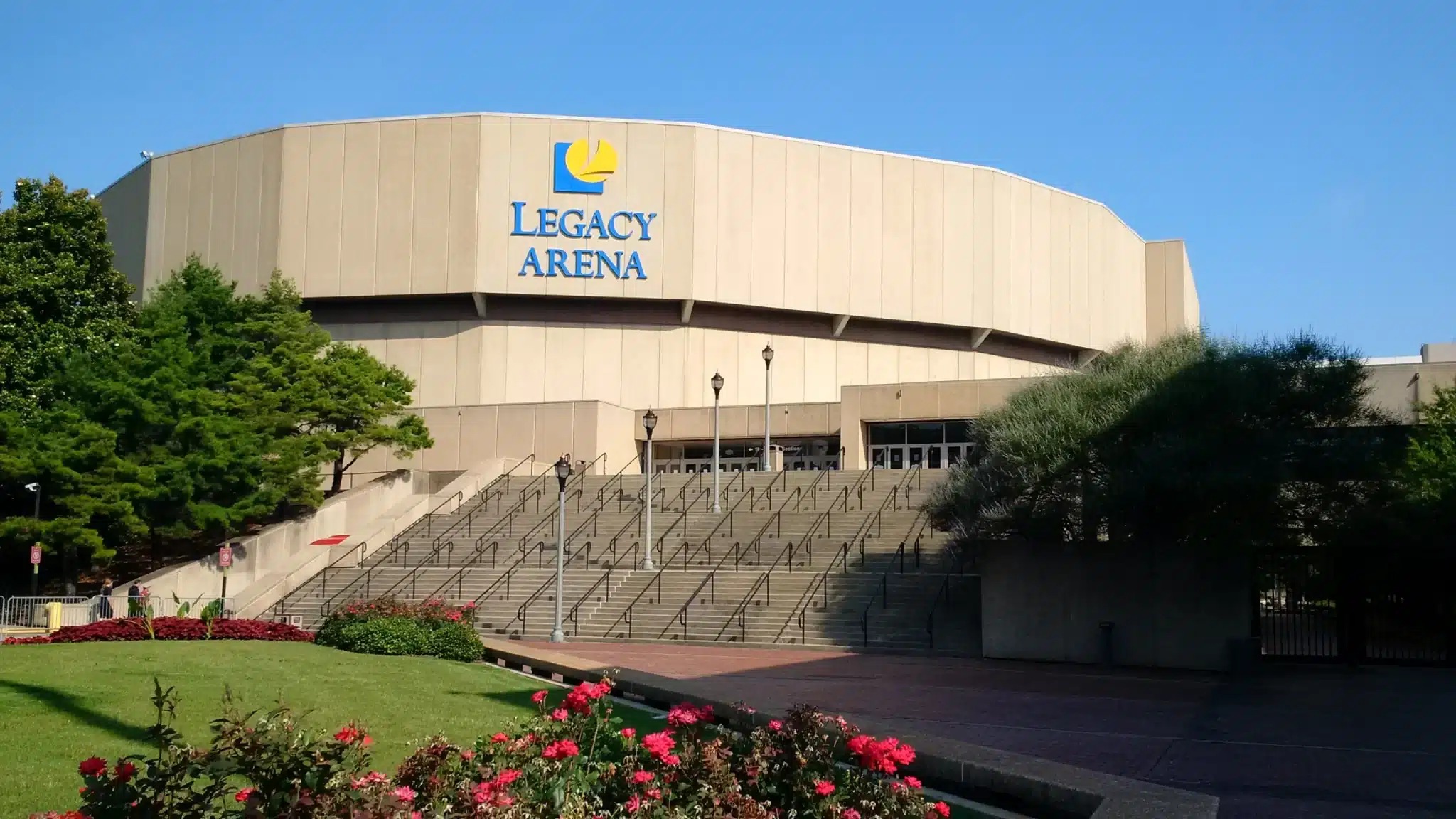
Birmingham-Jefferson Convention Complex
Birmingham-Jefferson Convention Complex planning guide for exhibitors, conference teams, and sponsor programs working in Birmingham.