A serious plan for Graphic Production and Printing has to name the venue rules, the install path, and the show-day ownership before anyone treats the brief as complete.
The printing only works when those priorities are reconciled early enough that the booth, the service mix, and the day-of schedule are not arguing with each other once freight is already moving.
Key priorities for Graphic Production and Printing
- Treat install and strike as part of the strategy for Graphic Production and Printing, not as a follow-up task.
- Keep the technical pieces and the physical build on the same clock.
- Define who owns show-site decisions once the room goes live.
What drives the Birmingham calendar
The attendees vary by show — some weeks draw regional operators, others pull international buyers in for a single conference — but the floor mechanics stay consistent. Every booth needs graphics production, show services, labor calls, and a plan for the specific building it's landing in.
Kami-Con 2025 was expected to welcome more than 10,000 attendees and use a vendor hall spanning over 30,000 square feet at the BJCC.
The buildings that host Birmingham events
Grand Bohemian Mountain Brook, Autograph Collection is one of the anchors. The largest event room listed is the Exterior Courtyard with capacity for 412.
Protective Stadium. Protective Stadium is a 47,100-seat open-air stadium on the BJCC campus and home of the UAB Blazers football program.
How we're built to run your project
Local fabrication means real-time problem-solving. A graphic that needs to be reprinted at 6 a.m.
Clients who run repeat programs across multiple dates end up paying less per event when the same team handles everything. Less re-briefing, less re-training, less re-checking — the operational overhead drops year over year.
How Birmingham floor operations work
Labor in Birmingham runs venue-by-venue, not citywide.
Birmingham-Jefferson Convention Complex — Trade and consumer shows with decorating and drayage needs such as pallet jacks, forklifts, and dollies will need a service contractor.
Practical planning rules for the printing in Birmingham: Trade-show teams should confirm labor and service expectations with the venue and organizer before booking move-in, rigging, utility, and show-site support.
Birmingham neighborhoods and event districts
Parkside / Southside covers Parkside, Southside, Medical District. Useful for ballpark hospitality, museum-backed events, nightlife venues, and medical-district meeting programs.
BJCC / Uptown Core runs across Birmingham, Uptown, Downtown Birmingham. Primary cluster for convention-center programs, connected hotels, stadium club inventory, CityWalk activations, and large attendee movement.
What's included in the project scope
For programs that repeat, asset management becomes part of the engagement — storage, graphic rotation, refurbishment, and re-crating are planned rather than one-off.
Scope boundary is as important as scope inclusion.
How a project runs
Once scope is clear, the venue work begins.
One named show-site lead runs the install.
That document drives the next booking.
What it costs and how fast it moves
Cost scales with how it is built, how big it is, what the venue charges for its own services, what the graphics look like, how far the crates travel, and how many days the team stays on-site.
Rental programs run on 8 to 12.
How project performance gets measured
Trade show ROI is measured at the lead and pipeline level.
The post-show debrief is where the numbers get connected back to the physical booth. Which demo station drew traffic, which meeting area closed more conversations, which graphic zone attracted dwell time — that feedback shapes the next build rather than getting lost.
What buyers ask about Graphic Production and Printing
Do you work at the Harbert Center?
Yes. It offers five private event spaces for gatherings ranging from 10 to 400 guests.
How does labor work in Birmingham?
It runs venue by venue.
How much lead time is ideal?
Custom builds run best with 16 to 20 weeks of lead time. Rentals take 8 to 12 weeks.
What information kicks off a project?
The show, the venue, the booth number, the dates, and a target budget range. From those, an initial scope and a realistic cost come back within a few days.
Who runs the booth on-site?
One named show-site lead runs the install, the show hours, and the strike. That person carries the floor plan and the punch list from crates to doors and reports up once a day.
Can the booth travel to the next city on our calendar?
Same structure, swappable graphics, standard crates.
What happens if something breaks during show hours?
The on-site lead handles it.
Follow-up notes for Graphic Production and Printing

Beauty And Cosmetics Trade Show Services
Beauty And Cosmetics Trade Show Services support shaped around Birmingham buyer demand, compliance needs, and event execution.
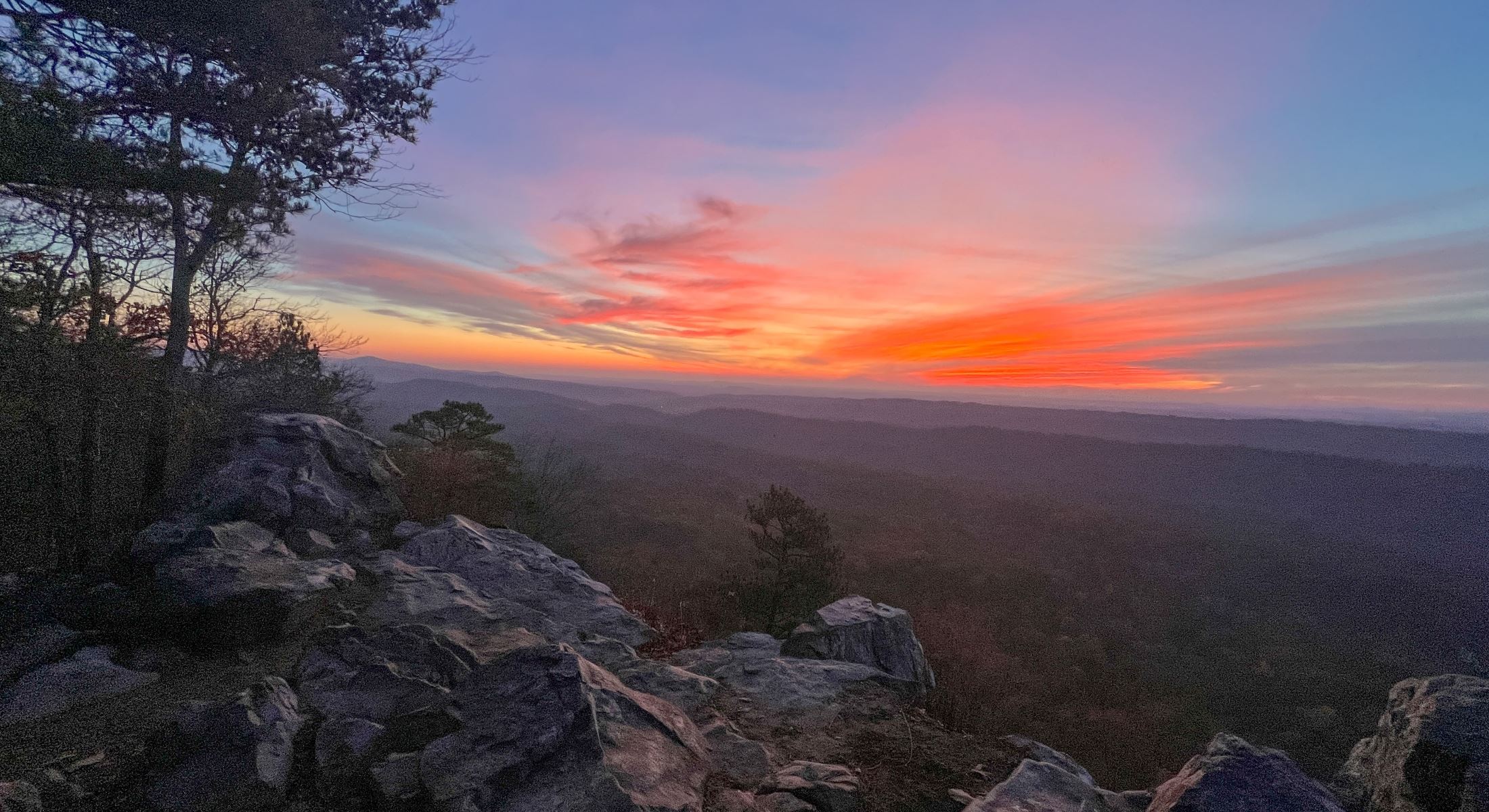
Pelham, Alabama
Pelham, Alabama in the Birmingham reach map with venue, movement, hotel, and metro context.
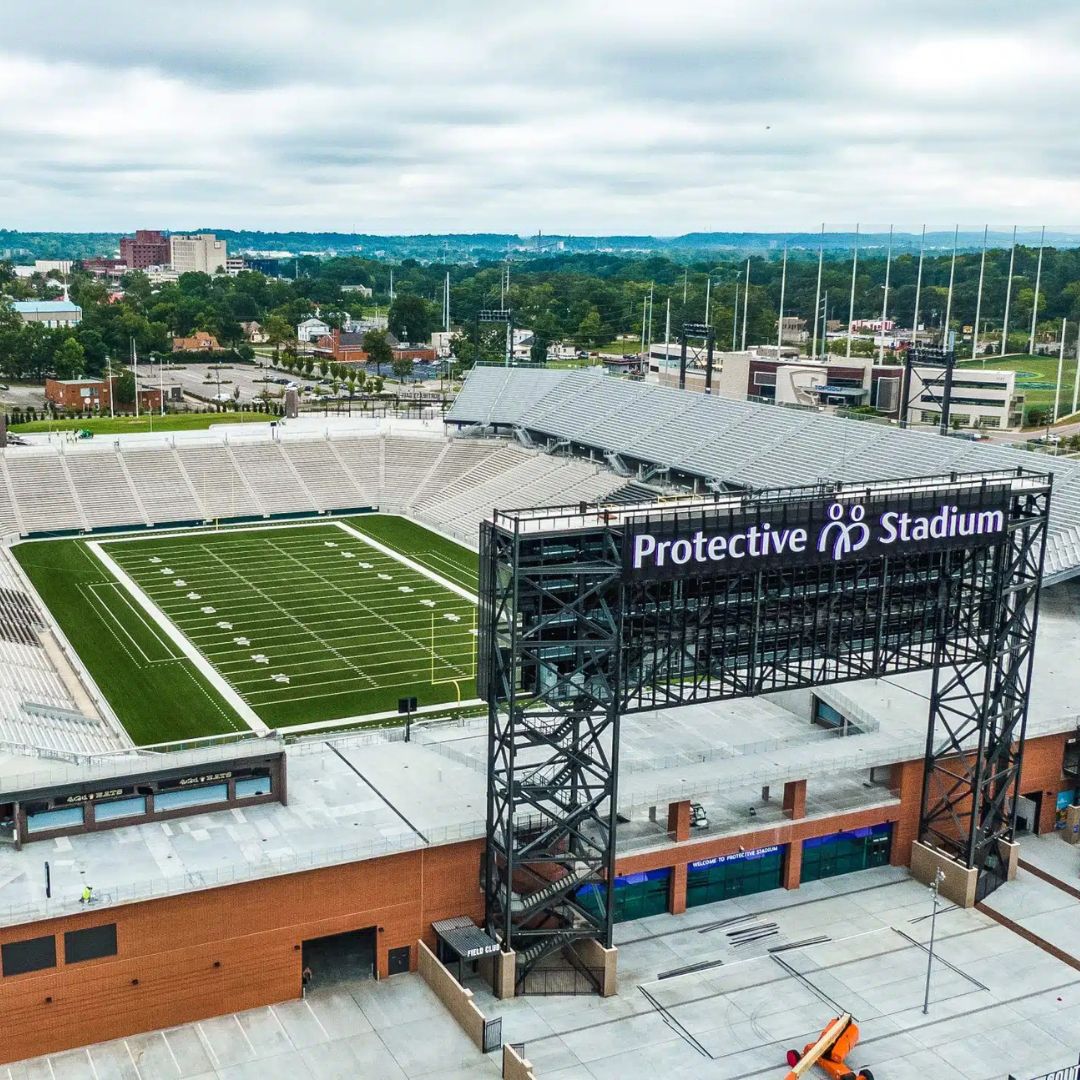
Protective Stadium
Protective Stadium planning guide for exhibitors, conference teams, and sponsor programs working in Birmingham.